
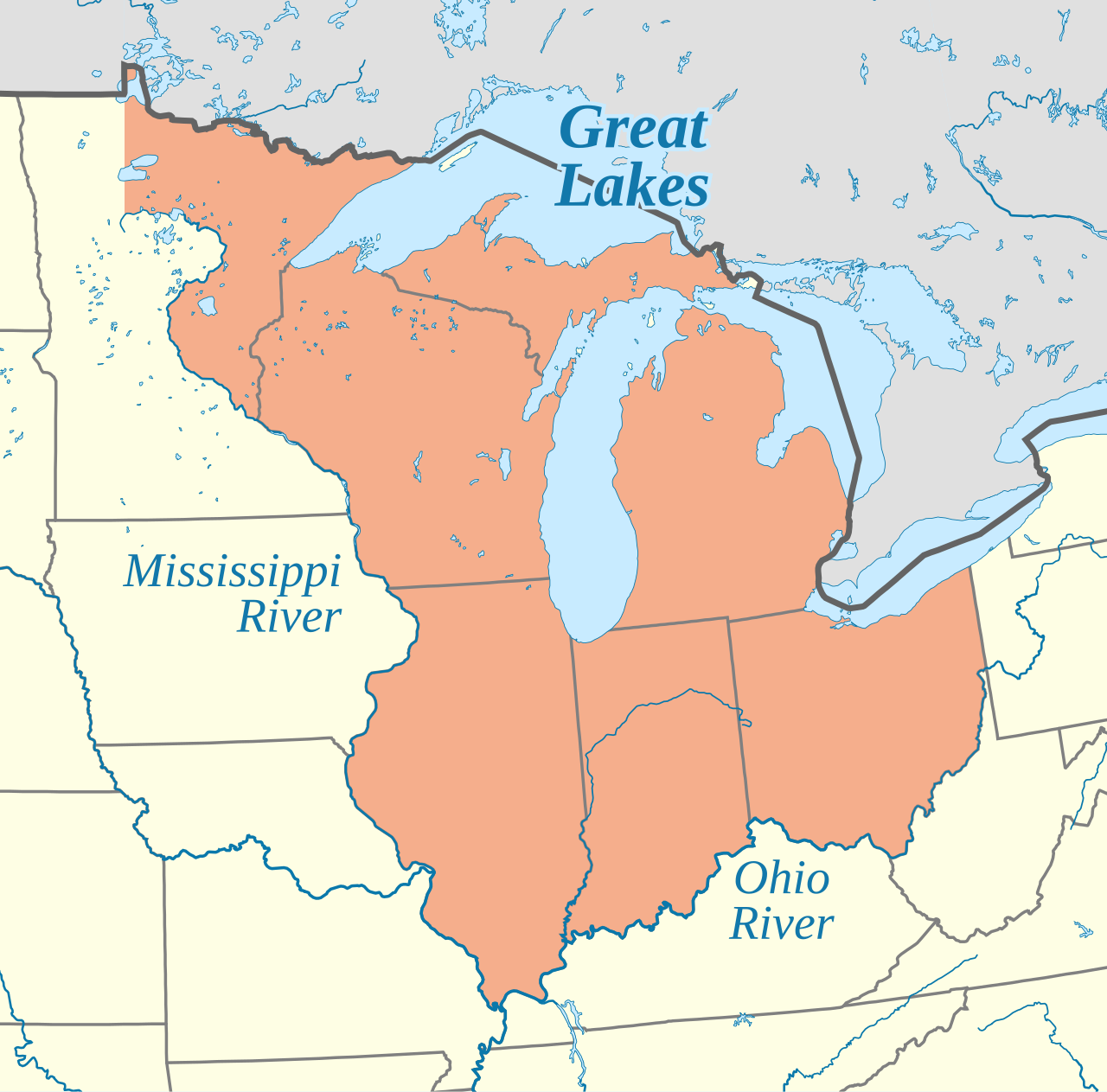
Overview and Historical Context
The Northwest Ordinance emerged from the fragile governance of the Articles of Confederation, where the Confederation Congress operated as a single legislative body lacking strong executive authority. [2] This ordinance represented one of the few cohesive measures passed under that weak framework, demonstrating the capacity of the national government to organize vast western lands. [2] The timing in 1787 coincided with the Constitutional Convention in Philadelphia, where delegates were simultaneously drafting a stronger federal framework, making the Ordinance a final act of the old regime before the new Constitution took effect. [2]
Background Under the Articles of Confederation
Before the Ordinance, the western lands belonged to individual states with competing claims, creating potential conflict and inefficiency. The Confederation Congress passed the Land Ordinance of 1785 to begin surveying these territories, but it was the Northwest Ordinance of 1787 that established the actual government framework. [2] This development occurred while the nation faced challenges governing the vast territory between the Appalachian Mountains and the Mississippi River, with the western lands representing both a resource and a governance challenge.
Geographical Scope and Boundaries
The Northwest Territory was defined by specific geographical boundaries that shaped its development. The upper Mississippi River formed the territory's western boundary, while Pennsylvania marked the eastern extent. [2] This created a defined region between British North America to the north and the Ohio River to the south, encompassing the Great Lakes region. [2] The territory included present-day Ohio, Indiana, Illinois, Michigan, and Wisconsin, plus the northeastern part of Minnesota, creating a substantial area for future development.
Three-Stage State Admission Process
First Stage: Congressional Appointment
The three-stage method for admitting new states began with a congressionally appointed structure. Initially, a governor, secretary, and three judges would be appointed by Congress to govern the territory. [2] This appointed leadership would rule until the territory reached a sufficient population threshold, establishing a stable transition from territorial to local governance. [2]
Second Stage: Transition to Self-Government
When the free male population reached five thousand, the territory could transition to a more democratic structure. An elected assembly would be established alongside the appointed officials, and a non-voting delegate would represent the territory in Congress. [2] This stage represented a significant shift toward self-governance and allowed residents to have a voice in their local laws and policies, marking an important democratic experiment for the new nation.
Third Stage: Statehood Application
The final stage arrived when the population reached 60,000 free male inhabitants. At this point, the territory could request Congress to admit its constitution and become a full state of the Union. [2] This systematic approach ensured that new states would have sufficient population and organizational structure before joining the federal system, creating a predictable pathway for territorial expansion.
Bill of Rights and Individual Liberties
Religious Freedom Provisions
The Northwest Ordinance included a comprehensive bill of rights protecting fundamental individual liberties. Religious freedom was explicitly guaranteed, allowing residents to worship according to their conscience without government interference. [2] This provision reflected the Enlightenment ideals influencing the Founding Fathers and set a precedent for religious liberty in American territory.
Due Process and Legal Protections
The ordinance guaranteed habeas corpus, ensuring that individuals could not be detained without proper legal cause. [2] Trial by jury was also protected, establishing the right to a peer-based legal proceeding in civil and criminal matters. [2] These legal protections formed the foundation of the American justice system and influenced later constitutional developments.
Other Individual Rights
Additional rights protected included freedom from excessive bail and cruel punishment, and the right to own property. [2] These provisions ensured basic human dignity and legal protections for all residents of the Northwest Territory, regardless of their background or status within the new territorial government.
Education Provisions and Public Schools
Mandated Support for Education
The Northwest Ordinance explicitly encouraged education as a fundamental purpose of the new territories. [2] The ordinance recognized that an educated citizenry was essential for the success of self-government and the development of new communities. This provision reflected the belief that public education was a state responsibility and a cornerstone of the American democratic experiment.
Land Grants for Schools
Provisions were made for setting aside land to support public education in the new territories. [2] Specific sections of land were reserved for the support of schools, ensuring that educational infrastructure would develop alongside population growth. [2] This land grant system helped establish the tradition of public funding for education that continues in many forms today.
Long-term Educational Impact
The education provisions of the Northwest Ordinance had lasting effects on American public education. [2] By linking land ownership to school support, the ordinance created a mechanism for sustaining educational institutions as territories grew into states. [2] This approach influenced the development of state university systems and the broader American commitment to public education.
Slavery Prohibition and Its Implications
Explicit Ban on Slavery
One of the most significant provisions of the Northwest Ordinance was the prohibition of slavery in the Northwest Territory. [2] The ordinance stated that there should be neither slavery nor involuntary servitude in the territory, except as punishment for crime. [2] This made the Northwest Territory the first large region of the United States where slavery was legally prohibited, creating a clear geographical divide between free and slave holding regions.
Economic and Social Consequences
The slavery prohibition had profound effects on the development of the Northwest Territory. [2] Settlers moving to the region could bring their enslaved people only temporarily, and any enslaved person who set foot in the territory gained their freedom. [2] This created a labor system based on wage work rather than enslaved labor, influencing the economic development of Ohio, Indiana, Illinois, Michigan, and Wisconsin.
Regional Tensions and the Civil War
The slavery prohibition in the Northwest Territory contributed to the growing regional tensions between free and slave states. [2] The clear boundary created by the Ordinance's slavery ban became part of the larger national debate over slavery's expansion. [2] This geographical division would later contribute to the conflicts that led to the Civil War, as the Northwest became firmly associated with free labor and free soil politics.
Implementation and Governance Challenges
Early Territorial Governors
The first stage of the three-stage process required Congress to appoint governors and judges to administer the Northwest Territory. [2] These appointed officials faced the challenge of establishing law and order in a vast, sparsely populated wilderness with limited resources. [2] Their decisions set precedents for how territorial governments would function in the American system.
Judicial Systems Establishment
The three appointed judges served not only as executives but also as a judicial body to interpret laws and resolve disputes. [2] This dual role reflected the limited infrastructure of the early national government and the need for efficient governance structures. [2] The judicial system established under the Ordinance would evolve as the territory grew and transitioned through the three stages.
Population Growth and Organization
The territorial government faced the challenge of organizing an expanding population across a large geographical area. [2] The land ordinance worked in conjunction with the Northwest Ordinance to survey and divide the territory into manageable sections for settlement and governance. [2] This systematic approach to land division helped accommodate the wave of settlers moving into the region after the Revolutionary War.
Reception and Historical Legacy
Contemporary Response
The Northwest Ordinance was generally well-received by contemporary settlers and land speculators who saw opportunities in the organized framework it provided. [2] The clear rules for statehood and property rights encouraged investment in the western territories. [2] However, some critics argued that the restrictions on slavery limited the economic potential of the region for certain types of settlers.
Long-term Historical Significance
The Northwest Ordinance established important precedents that shaped American expansion and governance. [2] Its three-stage statehood process became the model for admitting subsequent territories, including the Louisiana Purchase lands and other western acquisitions. [2] The ordinance's combination of slavery prohibition, education provisions, and statehood criteria created a template that influenced American territorial policy for decades.
Constitutional Influence
Many provisions of the Northwest Ordinance influenced the later United States Constitution. [2] The statehood process, guarantees of republican government, and protections for individual rights found their way into constitutional debates and provisions. [2] The Ordinance served as a practical experiment in territorial governance that informed the framers of the Constitution as they designed the framework for new states joining the union.
Comparison with Other Territorial Governments
Difference from British Colonial Systems
The Northwest Ordinance represented a significant departure from British colonial governance models that had previously administered western lands. [2] Unlike the British system of appointed governors and hierarchical control, the Ordinance created a clear pathway toward self-government and statehood. [2] This democratic innovation reflected the American revolutionary commitment to consent of the governed and representative government.
Contrast with Later Territorial Policies
Later territorial policies, such as those for the Oklahoma Territory or Arizona, often differed from the Northwest Ordinance's structure and principles. [2] Some later territories had different slavery provisions, different timelines for statehood, or different approaches to indigenous land rights. [2] The Northwest Ordinance remained the foundational model, but subsequent policies adapted to changing political realities and national compromises over slavery.
Influence on Manifest Destiny
The principles established by the Northwest Ordinance influenced the ideology of Manifest Destiny that would drive American expansion in the 19th century. [2] The idea that territories should progress toward statehood with defined rights and responsibilities became embedded in American expansionist thought. [2] The Ordinance's legacy could be seen in the justification for westward expansion and the establishment of new states across the continent.
Demographic and Settlement Patterns
Migration Patterns After the Revolution
The Northwest Ordinance came at a time when thousands of veterans and settlers were looking westward for land and opportunity. [2] The ordinance's provisions for land distribution and statehood created confidence among potential migrants that the new territories would have stable governance. [2] This migration wave helped populate the region faster than might have occurred under less organized arrangements.
Population Milestones and Statehood
The three-stage process created specific population milestones that territories had to reach before statehood. [2] The transition from five thousand to 60,000 free male inhabitants represented significant demographic shifts as communities grew and organized. [2] These milestones tracked the transformation from wilderness outposts to organized territories to full states within the Union.
Effect on Indigenous Populations
The Northwest Ordinance's implementation occurred against the backdrop of existing Indigenous populations in the Northwest Territory. [2] The ordinance's provisions for governance and land did not explicitly address Indigenous rights or land claims, creating complex interactions between the new territorial government and native nations. [2] The settlement patterns encouraged by the Ordinance would eventually lead to significant displacement and policy changes regarding Indigenous peoples in the region.
Legal Precedents and Court Cases
Early Interpretations of the Ordinance
Legal scholars and early courts interpreted the Northwest Ordinance's provisions in various cases regarding slavery, property rights, and territorial governance. [2] The ordinance's slavery prohibition was tested in early territorial courts, establishing important legal precedents. [2] These interpretations helped define the scope of federal power over territories and the rights of individuals within them.
Property Rights and Land Claims
The ordinance's land provisions created a framework for property rights that influenced later legal disputes. [2] The survey system and land ordinance worked together to create clear property boundaries and ownership rules. [2] These legal structures helped resolve conflicts between different claimants and provided the basis for the development of a property-based society in the new territories.
Influence on Later Constitutional Law
The legal principles established by the Northwest Ordinance influenced later constitutional developments and Supreme Court decisions. [2] The guarantees of habeas corpus, trial by jury, and other rights found echoes in later Bill of Rights applications to the states. [2] The Ordinance's legacy in American law demonstrates the lasting impact of this 1787 legislation on the development of the American legal system.