
Overview
The Occupational Safety and Health Administration serves as the primary regulatory agency of the United States Department of Labor, possessing federal visitorial powers to inspect and examine workplaces across the nation. Established under the Occupational Safety and Health Act signed into law by President Richard M. Nixon on December 29, 1970, OSHA was created to assure safe and healthy working conditions for working men and women through the setting and enforcement of standards along with training outreach education and assistance. The agency is administered by the Assistant Secretary of Labor for Occupational Safety and Health and maintains its headquarters in the Frances Perkins Building in Washington D.C. [2][5]
Organizational Structure and Leadership
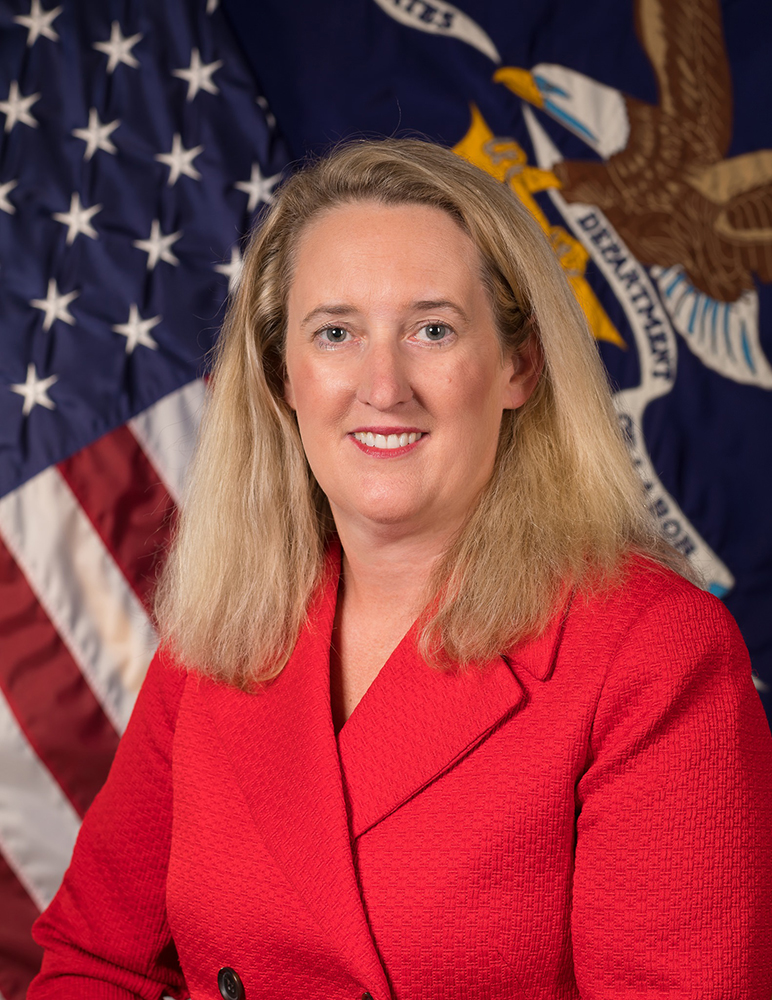
OSHA operates under the administrative authority of the Assistant Secretary of Labor for Occupational Safety and Health, a position currently held by David Keeling. This leadership role oversees the agency's entire operations including standard-setting enforcement actions and the administration of whistleblower protection programs. The structure ensures that occupational safety and health policy remains directly accountable to the Department of Labor leadership [1][2][5].
Regional and Field Operations
The agency maintains a network of regional and field offices that conduct inspections investigations and enforcement activities across diverse work environments. This decentralized structure allows OSHA to address sector-specific hazards while maintaining national consistency in standard application and compliance monitoring [5].
Standard-Setting Process
OSHA develops specific occupational safety and health standards to which employers are expected to comply through a formal rulemaking process that involves public notice comment periods and economic impact analysis. This process balances worker protection with employer feasibility considerations ensuring regulations are both effective and practical [1][2].
Budget and Resource Allocation
In fiscal year 2021 OSHA operated with an annual budget of $591,787,000 representing the federal investment in protecting American workers. This budget funds inspection activities standard development enforcement operations training programs and the administration of whistleblower protection initiatives. Resource allocation reflects the agency's mandate to cover millions of worksites nationwide [2][5].
Enforcement Priorities and Inspection Volume
OSHA's enforcement priorities are determined by injury and illness data severe injury reports and high-hazard industries. The agency conducts both programmed inspections targeting high-hazard workplaces and unprogrammed inspections responding to fatalities catastrophes and worker complaints. Inspection volume is constrained by the ratio of compliance officers to worksites which numbers approximately one officer per 59,000 workers [2].
Training and Education Programs
Beyond enforcement OSHA invests significantly in training outreach and education through its Training Institute and authorized training providers. These programs deliver safety and health training to workers employers and safety professionals covering topics from hazard communication to industry-specific risk mitigation strategies [5].
Coverage and Exclusions
OSHA covers private sector employers and employees in all 50 states and certain territories as well as state and local government workers in states with approved state plans. Federal government agencies are also subject to OSHA coverage though they operate under a separate self-inspection program. The OSH Act explicitly excludes self-employed individuals immediate family members of farm employers and workers protected by other federal agencies with their own safety standards [2][5].
State Plans and Federal Partnership
Twenty-two states and jurisdictions operate approved state plan programs that enforce their own occupational safety and health standards provided the standards are at least as effective as federal OSHA requirements. This federal-state partnership expands coverage reach and allows for state-specific hazard addressing while maintaining minimum federal protections [2][5].
Whistleblower Protection Program
OSHA's Whistleblower Protection Program safeguards workers who report violations of safety and health regulations from employer retaliation. The program covers more than twenty federal statutes beyond just the OSH Act including environmental laws transportation safety and consumer product safety providing remedies such as reinstatement back pay and compensatory damages for aggrieved workers [2][5].
Historical Development and Evolution
The establishment of OSHA in 1970 marked the culmination of decades of advocacy for worker protection following high-profile industrial disasters and growing awareness of occupational disease rates. Since its inception the agency has evolved to address emerging hazards including chemical exposures ergonomic risks and workplace violence while maintaining its core mission of preventing work-related injuries and fatalities [2][5].
Key Legislative Milestones
The Occupational Safety and Health Act of 1970 represented the first comprehensive federal legislation addressing worker safety and health. Subsequent amendments and regulatory updates have expanded OSHA's authority to address new industries technologies and hazard types reflecting the evolving nature of American workplaces [2].
Enforcement Evolution
OSHA's enforcement approach has shifted from reactive responses to individual incidents toward proactive hazard abatement strategic planning and collaborative compliance assistance. This evolution reflects lessons learned about the limitations of inspection-only strategies and the value of preventive education [1][2].
Standards and Compliance Framework
OSHA develops and enforces a comprehensive body of standards covering hazard communication personal protective equipment fall protection electrical safety and industry-specific requirements for construction maritime and agriculture. Employers must comply with these standards or face citations penalties and potential legal action [1][2].
General Duty Clause
Section 5(a)(1) of the OSH Act known as the General Duty Clause requires employers to furnish employment and a place of employment free from recognized hazards that are causing or are likely to cause death or serious physical harm. This catch-all provision applies when no specific standard addresses a particular hazard [1][2].
Recordkeeping and Reporting
Employers with more than ten employees must maintain records of work-related injuries and illnesses using OSHA Form 300 and submit annual summary data. Severe incidents including fatalities hospitalizations amputations and losses of an eye must be reported to OSHA within specified timeframes creating a data infrastructure for hazard identification [5].
Impact and Effectiveness
Since OSHA's formation workplace fatalities have declined dramatically from approximately 14,000 deaths annually in 1970 to approximately 5,300 in recent years despite significant growth in employment levels. This reduction represents one of the most significant occupational health achievements in modern industrial history though the agency acknowledges ongoing challenges in specific sectors [2][5].
Sector-Specific Outcomes
Construction manufacturing and agriculture have experienced varying degrees of improvement under OSHA regulation. Construction saw substantial fatality reduction through fall protection standards while agriculture continues to face unique challenges related to migrant worker coverage and pesticide exposure regulation enforcement [2].
Economic and Social Benefits
Research indicates that OSHA compliance yields net economic benefits through reduced workers' compensation costs decreased productivity losses from illness and injury prevention and improved worker morale. However compliance costs represent a consideration for small businesses navigating regulatory requirements [1][2].
Current Challenges and Future Directions
OSHA continues to navigate challenges including limited inspection resources relative to worksite numbers emerging chemical risks from new technologies and the need to update standards to reflect modern work arrangements such as gig economy employment. The agency's rulemaking agenda prioritizes addressing silica exposure infectious disease prevention and heat illness prevention in outdoor and indoor workplaces [2][5].
Regulatory Agenda and Standard Updates
OSHA's current regulatory agenda includes initiatives to update existing standards revise enforcement policies and address new hazards through both negotiated rulemaking and standard petitions. The agenda reflects stakeholder input and scientific evidence on occupational risk factors [1][2].
Public Engagement and Partnerships
The agency increasingly emphasizes collaborative approaches including strategic partnerships with industry groups labor organizations and community stakeholders. These partnerships aim to improve compliance through voluntary measures while maintaining the regulatory stick of enforcement for non-cooperative employers [5].