
Overview: The Strategic Shift to Original Content
This overview establishes the fundamental dynamics driving the original content competition. Platforms face a dual pressure: the need to secure exclusive content to attract and retain subscribers, and the rising costs associated with licensing third-party content. As the market matures, the strategic calculus has shifted from merely aggregating popular titles to investing in proprietary productions that can serve as differentiators. This shift is not merely about content quality but about market positioning and cost management in an environment where licensing fees for popular non-original content continue to climb [1][4].
Background: The Evolution of Content Sourcing Models
In the early days of streaming, platforms operated primarily as content aggregators, licensing movies and TV shows from studios and distributors. This model allowed for relatively low upfront investment but subjected platforms to volatile licensing fees and the risk of content removal as owners launched their own services. The landscape began to shift as platforms recognized the limitations of relying solely on licensed content. The exclusivity race intensified when major media companies began launching direct-to-consumer platforms, pulling their proprietary libraries back from competitors. This transition marked a fundamental restructuring of the value chain, where the ability to produce or control content became as important as the technology delivering it [2][4].
The Aggregator Era and Its Limitations
Early streaming services functioned like digital video libraries, licensing content from major studios. This model worked initially but became unsustainable as content owners reclaimed rights to launch their own platforms. The limited understanding of how sourcing models affect profitability creates uncertainty for services navigating this transition [2].
The Vertical Integration Turn
Companies with existing studio infrastructure began launching their own streaming services, making content exclusively available on their own platform. This vertical integration strategy allows owners to monetize content across multiple channels while controlling distribution [4]. The challenge of obtaining content may raise costs for competing services and create barriers for new market entrants [4].
Timeline of Key Events in the Original Content Race
The escalation of original content investment correlates with the rising costs of licensing popular non-original content. As platforms spend more on original productions to differentiate themselves, the opportunity cost of licensing third-party content increases. This creates a feedback loop where platforms must continually invest more in original content to maintain competitive positioning, driving up overall market expenditure [1][4].
The Netflix Catalyst (2013-2018)
Netflix's pivot toward original content began in 2013 with House of Cards and continued through the decade, establishing a model that other platforms would follow. This period saw Netflix transition from content aggregator to content producer, changing industry dynamics.
The Competitive Wave (2019-Present)
Following Netflix's success, major media companies launched their own streaming services, pulling proprietary content from competitors. Disney+, HBO Max, and Peacock entered the market with extensive original slates, intensifying the race for subscribers and exclusive rights [4].
How Original Content Drives Subscriber Acquisition and Retention
The exclusivity of original content creates a direct link between production investment and subscriber growth. Platforms that can consistently produce hit original series and films gain a competitive advantage in attracting cost-conscious consumers. However, the law of diminishing returns applies; as more platforms enter the original content space, the marginal benefit of additional original productions decreases, forcing platforms to focus on quality and brand differentiation rather than quantity [1][2][4].
Exclusive Originals as Growth Drivers
Platforms leverage exclusive original series and films to attract subscribers who value unique content unavailable elsewhere. This strategy creates a direct correlation between original content investment and subscriber acquisition rates.
Retention Through Franchise Building
Successful original franchises create long-term subscriber retention value, as audiences return for sequels and related content. This reduces churn and increases customer lifetime value, justifying the high upfront investment in original production [1][4].
The Economics of Original vs. Licensed Content
The economic calculus favors original content investment when licensing fees for popular titles become prohibitive. Platforms find themselves in a cost spiral where the price of licensing hit shows and movies rises to compete with the perceived value of original productions. This dynamic creates barriers to entry for new streaming services lacking the capital to compete in either original production or high-fee licensing markets [1][4]. The vertical integration advantages extend beyond content production to include distribution infrastructure, giving owned platforms a cost advantage in getting their content to consumers [4].
Licensing Cost Inflation
As more content owners launch their own streaming services, the available licensing pool shrinks, driving up fees for remaining content. This inflation makes original production an increasingly attractive alternative for platforms seeking to manage content costs [1][4].
Barriers to Market Entry
New entrants face significant challenges competing with established players who have already invested heavily in original content and distribution infrastructure. The cost of building an original content library from scratch represents a substantial financial hurdle [4].
Vertical Integration and Distribution Advantages
Vertical integration represents a strategic layering of the streaming value chain, where platforms control both the content and the means of delivery. This control creates multiple points of advantage, from reduced distribution costs to preferential treatment in network traffic management. The implications for competition are significant, as vertically integrated platforms can offer lower subscription prices or higher quality streaming experiences, all else being equal [4].
Infrastructure Cost Advantages
Platforms that own content delivery networks can reduce the per-streaming cost of delivering video content, as they do not need to pay third-party CDN providers. This cost advantage can be passed to consumers through lower subscription prices or higher bitrates [4].
Platform Exclusion Tactics
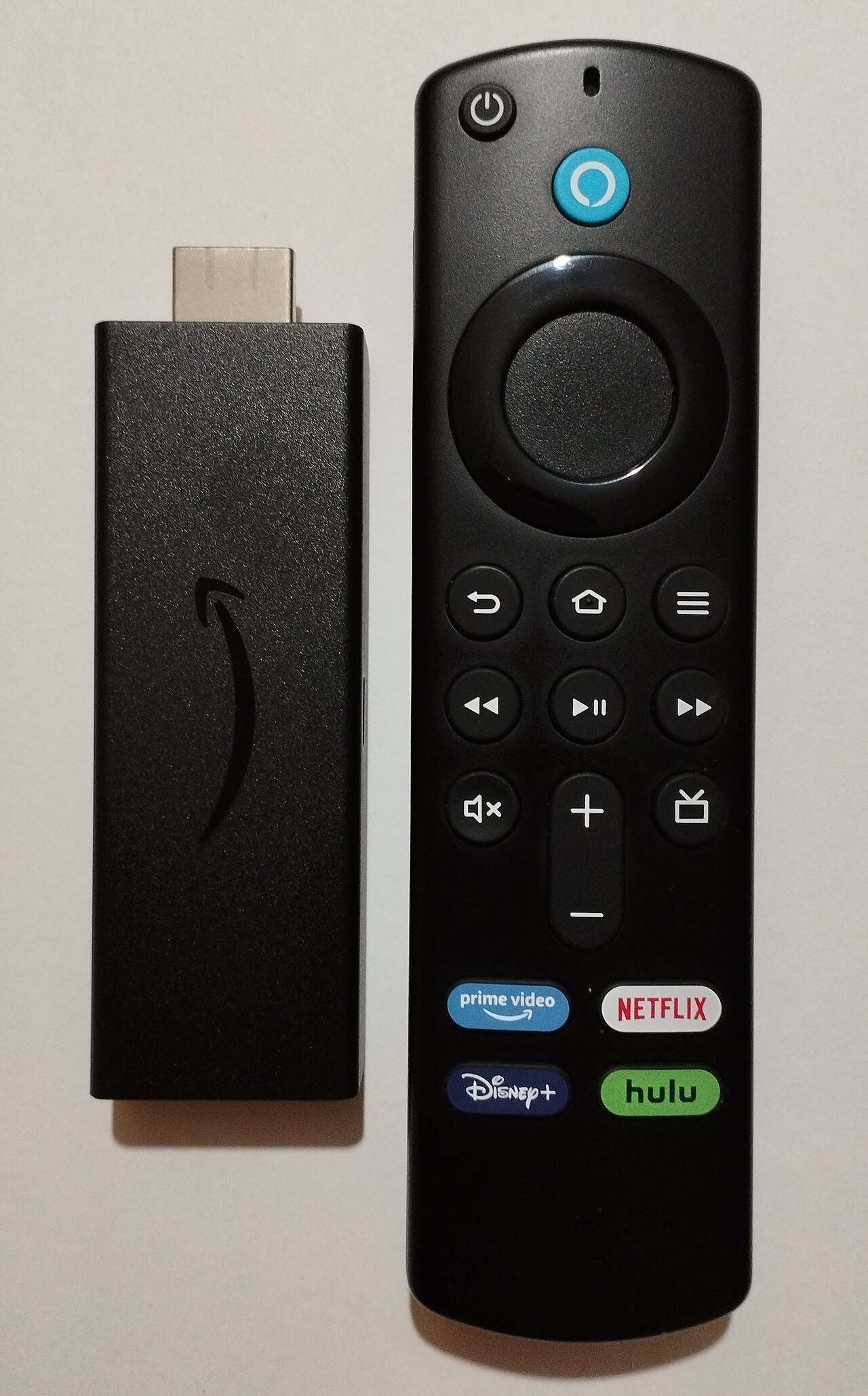
Owners of digital media players have been known to refuse inclusion of competing streaming services, effectively limiting consumer choice at the device level. This practice has been central to recent disputes involving Amazon and Roku [4].
Network Neutrality and Prioritization Concerns
The ability to prioritize one's own content during periods of network congestion represents a significant competitive advantage, but it also raises questions about the openness of the internet infrastructure that supports streaming. As streaming becomes the primary mode of video consumption, the implications of such prioritization practices extend beyond individual platform competition to broader concerns about internet architecture and consumer choice [4].
Latency Optimization vs. Fair Access
While prioritizing owned content can improve the user experience for that platform's subscribers, it may degrade the experience for competitors' content, particularly during peak usage times. This creates a trade-off between technical optimization and market fairness [4].
Regulatory and Consumer Implications
Ongoing disputes between streaming services and platform owners continue to shape the regulatory landscape, with consumer advocacy groups monitoring practices that could limit effective competition [4].
Recent Disputes and Market Developments
The resolution of these disputes will have far-reaching implications for the streaming ecosystem, determining the extent to which platform owners can leverage their distribution control to advantage their own content services. These cases represent the latest front in the broader struggle between content creators, distributors, and platform owners for control over the streaming value chain [4].
Disney+, HBO Max, and Peacock vs. Amazon and Roku
These high-profile disputes involve streaming services being removed or having their prioritization reduced on Amazon Fire TV and Roku devices, highlighting the power dynamics between content owners and device platform operators.
Implications for Future Distribution
The outcomes may establish precedents for how streaming services negotiate placement on digital media players, potentially reshaping the relationship between content providers and platform distributors [4].
Viewer Preferences and Competitive Dynamics
The connection between viewer data and content decisions has become increasingly sophisticated, with platforms using audience metrics to greenlight projects with the highest predicted return on investment. This shift toward data-driven content strategy means that the original content competition is not just about creative vision but also about analytical precision and market forecasting [2][4].
Genre Trends and Audience Segmentation
Different streaming platforms target different audience segments through genre-specific original content, from prestige drama to reality competition to animated series for families. This segmentation allows platforms to differentiate without directly competing for the same audience [2][4].
The Role of Critical and Audience Reception
The success of original content depends on both critical acclaim and audience viewership, with social media and review aggregators amplifying the impact of initial reception on a show's longevity and a platform's competitive standing [2][4].
Significance and Future Outlook
Looking ahead, the streaming landscape will be defined by the ability of platforms to balance original content investment with sustainable business models. The platforms that can successfully navigate the cost-quality trade-off while maintaining viewer engagement will likely emerge as the long-term winners in this evolving ecosystem [1][4].
Consolidation and Partnership Trends
We may see further mergers and acquisitions as platforms seek to consolidate content libraries and reduce competition, or strategic partnerships that allow platforms to share original content production costs.
The Role of Emerging Technologies
Advances in production technology, distribution methods, and audience analytics will continue to shape the competitive dynamics, potentially lowering the barriers to original content creation while increasing the sophistication of content strategy [1][4].