
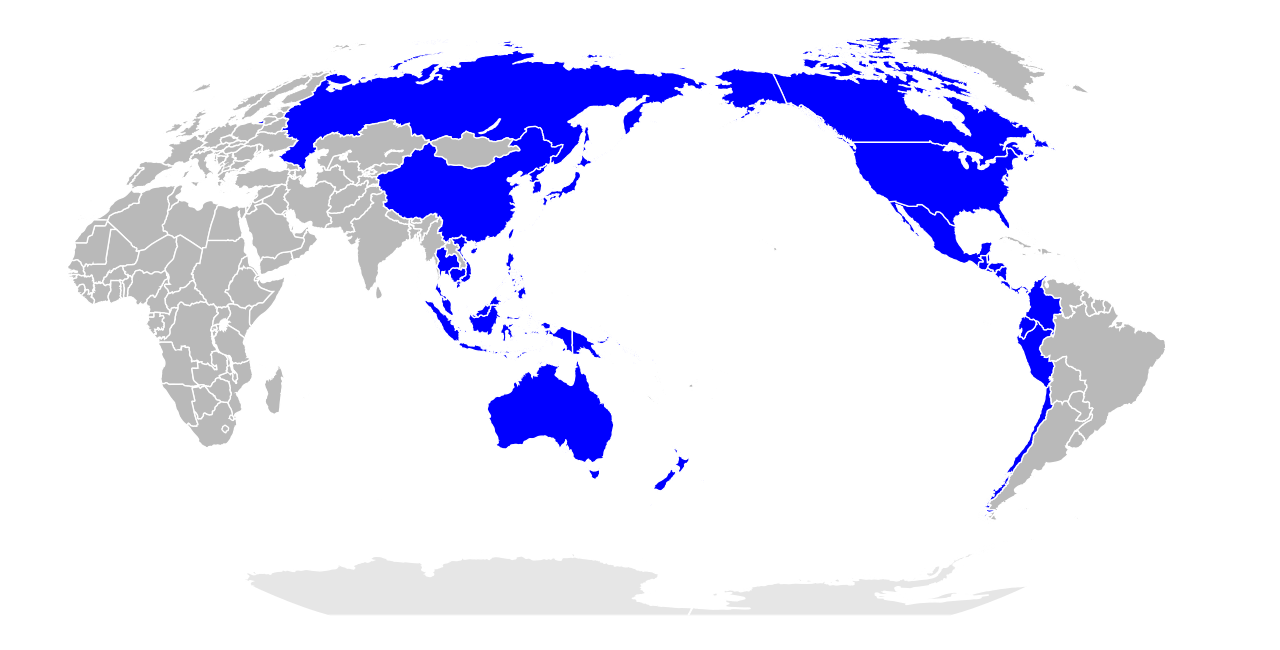
Overview: Navigating the Pacific Islands Region
Travelers should note that the Pacific Islands' infrastructure varies dramatically between developed tourism hubs and remote locations with limited services. Understanding regional distinctions, seasonal timing, and current regional developments helps visitors plan trips that align with both their interests and practical considerations [5][1].
Popular Destinations and Attractions
Bora Bora stands out as one of the most famous and favored islands in the South Pacific, particularly popular with honeymooning couples seeking romantic settings. Located northwest of Tahiti and less than an hour from Papeete by plane, the island is renowned for its overwater bungalows, which represent the most popular type of accommodation on the island [5]. Beyond Bora Bora, the region offers diverse destinations suited to different travel preferences, from cultural sites to natural attractions across the various island groups.
Seasonal Considerations and Best Times to Visit
The Pacific Islands' vast geography means optimal visiting times vary by location. Generally, the dry season from May to October offers more predictable weather across many islands, while the wet season November to April brings higher humidity and increased cyclone risk. Travelers should research specific island groups as weather patterns differ across Melanesia, Micronesia, and Polynesia [5][1].
- Bora Bora (French Polynesia) - famous for overwater bungalows and lagoon activities
- Other notable islands across the three subregions offering diverse experiences
- Destination choice should align with specific travel tastes and seasonal timing
Cultural Context and Local Experiences
Pacific Islands cultures offer rich traditions that travelers can engage with respectfully. From traditional voyaging canoes and navigation knowledge being preserved in Fiji's remote communities to film festivals operating on goodwill and limited resources in places like West Auckland, the region maintains strong cultural practices alongside modern developments [1][1]. Visitors should approach cultural sites and practices with awareness of local customs and protocols.
Conservation and Community Initiatives
Several conservation and educational initiatives illustrate the region's focus on blending tradition with modern environmental stewardship. In Fiji's remote Totoya Island, a Conservation International initiative pairs elders and teachers aboard a voyaging canoe to bring traditional knowledge back into Pacific classrooms, connecting younger generations with environmental protection practices rooted in cultural heritage [1]. These efforts demonstrate how travel can intersect with local conservation and education goals.
The Pollywood Pasifika Film Fest, now in its 24th year, operates with goodwill and limited resources, offering insights into the region's growing film culture and the ways artistic expression thrives despite resource constraints [1]. Such cultural events provide travelers with alternative lenses into Pacific life beyond typical tourist experiences.
Regional Developments Affecting Travel
Several significant regional developments have direct implications for travelers and the broader Pacific context. Three Pacific governments have stepped up their response to ongoing El Niño droughts, addressing water crises that could affect infrastructure and services in affected nations [1][3]. The Solomon Islands-Australia treaty ensuring 'no foreign military or security base' in the island nation reflects geopolitical developments that may influence regional stability and travel safety perceptions [1][3].
Military Activities and Environmental Concerns
An environmental group in the Northern Marianas has called on the US government to extend a public comment period on military exercises that could harm whales and dolphins, highlighting how military activities in the region intersect with environmental conservation concerns that may affect certain travel areas [1][3]. Travelers interested in marine wildlife should be aware of such ongoing developments.
Health and Security Considerations
Drug trafficking developments, including 17 tons of cocaine seized in 2026 across the Pacific, four times more than in 2025, reflect broader regional security dynamics [2]. While such issues primarily affect local communities, they contribute to the overall regional context travelers should be aware of. Additionally, health-related developments such as declining condom use among young New Caledonians and resulting syphilis and infertility concerns illustrate public health situations that travelers should research for specific destinations [2].
Practical Travel Tips and Logistics
When planning Pacific Islands travel, consider the following practical aspects: Flight connections often route through major hubs like Honolulu, Sydney, or Auckland depending on the specific destination. Accommodation ranges from luxury overwater bungalows in French Polynesia to more basic options in remote locations. Local transportation infrastructure varies significantly between developed tourist areas and outer islands [5][1].
Health and Safety Preparations
Travelers should research destination-specific health advisories, including any current disease outbreaks or health advisories. The region's remote nature means that medical facilities may be limited in outer islands, so comprehensive travel insurance with evacuation coverage is recommended. Sun protection, adequate hydration, and awareness of local environmental conditions are essential [2][1].
Cultural Sensitivity and Responsible Tourism
Engaging with Pacific Island cultures requires respect and awareness. This includes understanding protocols for visiting villages, participating in traditional practices, and supporting local economies through responsible spending. Many communities welcome respectful cultural exchange, but protocols vary by location and should be researched beforehand [1].
Emerging Trends and Future Outlook
The Pacific Islands travel landscape continues to evolve with both opportunities and challenges. French Polynesia's open days and artistic activities aimed at destigmatizing mental illness reflect how regional destinations are expanding their offerings beyond traditional tourism categories [2]. Meanwhile, infrastructure developments such as the US Coast Guard leading maritime operations training in the Cook Islands indicate growing regional capacity that could improve travel logistics and safety [2].
Sustainability and Community-Based Tourism
Growing interest in sustainable and community-based tourism models aims to ensure that travel benefits local populations while preserving cultural and natural resources. Initiatives like the voyaging canoe programs in Fiji demonstrate approaches that connect traditional knowledge with contemporary conservation goals, offering travelers meaningful engagement opportunities beyond conventional sightseeing [1].
As the region faces impacts from climate change, including population decline projections by 2100 and increasing climate-related events like cyclone seasons, travelers may see evolving destination conditions and infrastructure priorities [2]. Staying informed about regional developments helps travelers make responsible choices and adapt plans as needed.