
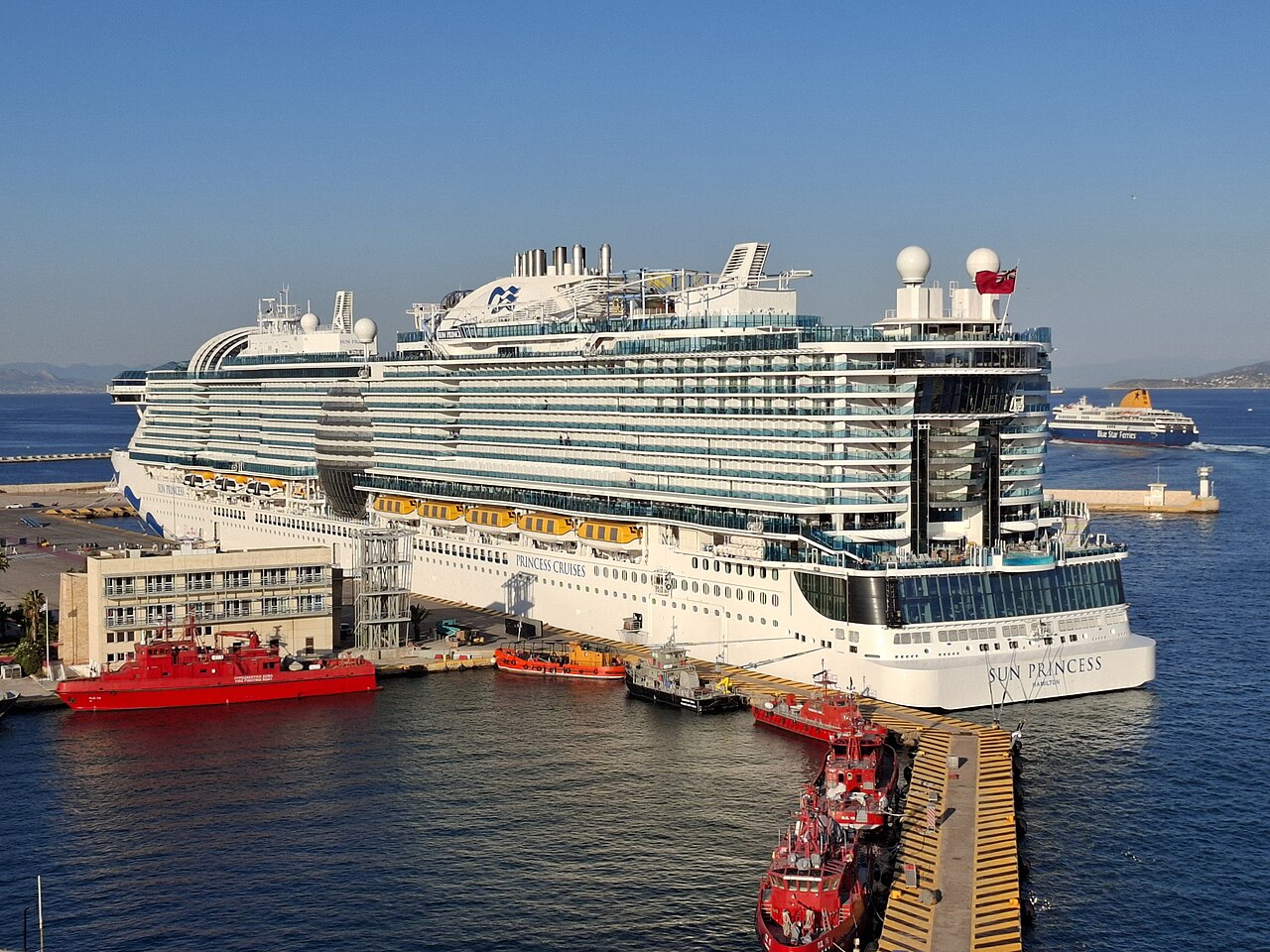
Brand Heritage and The Love Boat Legacy
Princess Cruises has earned the nickname The Love Boat, positioning itself as the world's most iconic cruise brand that delivers dream vacations to millions of guests every year. This legacy stems from the company's long-standing reputation for romantic voyages and entertainment at sea, a branding that has endured across decades of fleet evolution and shifting travel trends [3]. The designation as the most iconic cruise brand suggests a market position that is not merely commercial but cultural, embedding the line into the broader lexicon of leisure travel. This status allows the company to leverage nostalgia alongside modern marketing strategies, creating a dual appeal to both long-time loyalists and new generations of cruisers who discover the brand through its famous moniker rather than just its operational statistics.
Corporate Identity and Brand Positioning
The Love Boat moniker serves as more than marketing; it encapsulates the brand's commitment to creating memorable passenger experiences. Princess Cruises aligns its corporate identity with this iconic status, ensuring that every voyage reflects the trust and nostalgia associated with the brand name. The positioning strategy leverages decades of operational history to differentiate the line in a competitive cruise market [3]. By maintaining this specific identity, the company avoids the generic branding trap that affects many mid-sized lines, instead offering a distinct personality that resonates with specific demographic preferences for romance and entertainment. This consistent branding ensures that whether a guest is booking a short getaway or a world cruise, the emotional promise of the brand remains uniform across all touchpoints.
Historical Milestones in Brand Development
From its early operations to the modern era, Princess Cruises has maintained a continuous presence in the cruise industry, adapting ship designs and itineraries to changing passenger expectations while preserving the core elements that made The Love Boat a cultural touchstone. The brand's longevity reflects its ability to balance innovation with tradition [3]. This adaptive capability is crucial in an industry where ship technology and passenger expectations evolve rapidly. The fact that the brand retains its iconic status despite these changes indicates a successful management of brand equity, where new features are introduced without diluting the classic appeal that defines the line. This resilience has allowed Princess Cruises to survive industry fluctuations and maintain its position as a leader in the cruise sector.
Cultural Impact and Recognition
The Love Boat reference extends beyond the fleet, influencing how the public perceives cruise travel as a form of leisure. This cultural recognition has helped Princess Cruises attract generations of travelers who associate the brand with quality entertainment and relaxation on the water [3]. The brand's presence in popular culture creates a halo effect that benefits its marketing efforts, as potential guests already possess a positive association with the name. This pre-existing goodwill reduces the cost of customer acquisition and increases the conversion rate for marketing campaigns. Furthermore, the cultural impact ensures that the brand remains relevant in media discussions about travel, providing free publicity and reinforcing its status as a benchmark for the industry.
Global Itinerary Portfolio
Princess Cruises offers an extensive range of cruise destinations including Alaska, Asia, Australia, Caribbean, Europe, Hawaii, Iceland, Mediterranean, Mexico, Panama Canal, South America & Antarctica, Tahiti & South Pacific. This diverse portfolio reflects the line's commitment to providing varied experiences across multiple continents and ocean regions [3]. The breadth of this portfolio indicates a significant logistical capability, as managing ships across such disparate geographic zones requires sophisticated scheduling and resource allocation. The inclusion of both tropical and polar destinations demonstrates the line's ability to cater to vastly different climatic preferences and travel motivations, from sun-seeking to expedition-style travel.
North American and Tropical Routes
The Alaska and Caribbean routes represent the line's most popular itineraries, offering passengers contrasting experiences from glacial landscapes to tropical ports. These destinations form the core of Princess Cruises' seasonal scheduling and repeat passenger business [3]. The popularity of these regions is driven by their accessibility from major North American departure ports, reducing transit time and cost for a large segment of the target market. The seasonal nature of these itineraries, with Alaska peaking in summer and the Caribbean offering year-round appeal, allows the company to maintain high ship utilization rates throughout the year. This strategic focus on high-demand regions ensures a steady revenue stream and strong brand visibility in key markets.
Extended Ocean Voyages
Asia, Australia, Europe, and Mediterranean itineraries demonstrate the line's capability for long-haul cruising, requiring larger ship deployments and complex port logistics. These routes cater to travelers seeking cultural immersion and extended sea days [3]. The operational complexity of these routes is significantly higher than short regional cruises, requiring careful management of fuel, provisions, and crew rotations. The success of these itineraries indicates a customer base willing to commit to longer durations, which typically yields higher revenue per passenger. This segment of the portfolio is crucial for maximizing the return on investment for larger, more expensive ships in the fleet, as the longer voyages allow for the recovery of higher fixed costs.
Specialized and Expedition Routes
Hawaii, Iceland, Mexico, Panama Canal, South America & Antarctica, and Tahiti & South Pacific represent specialized itineraries that require specific ship capabilities and seasonal timing. These routes appeal to niche markets interested in unique natural phenomena or cultural sites [3]. The inclusion of Antarctica and the Panama Canal highlights the line's willingness to offer challenging and exotic destinations that differentiate it from competitors. These specialized routes often command premium pricing due to their rarity and the specific expertise required to navigate them. By offering these unique experiences, Princess Cruises captures a segment of the market that values exclusivity and adventure over standard resort-style cruising.
Fleet Composition and Ship Diversity
Princess Cruises ships include Caribbean Princess, Coral Princess, Crown Princess, Diamond Princess, Discovery Princess, Emerald Princess, Enchanted Princess, Grand Princess, Island Princess, Majestic Princess, Regal Princess, Royal Princess, Ruby Princess, Sapphire Princess, Sky Princess, and Star Princess. This fleet of 16 named vessels represents a diverse array of ship sizes, designs, and capabilities tailored to different itineraries and passenger preferences [3]. The naming convention, predominantly using gemstones or celestial bodies, reinforces the brand's luxurious and aspirational image. The diversity in the fleet allows the company to match specific ship characteristics to the requirements of each destination, ensuring optimal passenger experience and operational efficiency.
Ship Naming and Branding
The use of names like Caribbean Princess, Coral Princess, and Crown Princess creates a cohesive brand identity across the fleet. Each name evokes a specific quality or location, helping passengers associate certain ships with particular types of voyages [3]. This naming strategy aids in marketing efforts, as it allows for targeted promotions based on the ship's name and implied characteristics. For example, a ship named after a tropical location may be more appealing to guests seeking warm-weather destinations. The consistency in naming also simplifies the booking process, as guests can easily identify ships that align with their preferences.
Fleet Size and Capabilities
The inclusion of ships like Grand Princess and Discovery Princess suggests a range of vessel sizes, from smaller expedition-style ships to larger ocean liners. This diversity enables Princess Cruises to serve different market segments, from families seeking spacious amenities to solo travelers preferring a more intimate setting [3]. The operational flexibility provided by a mixed-size fleet is a significant competitive advantage, allowing the company to adjust its offerings in response to market demand. Larger ships can accommodate more passengers and offer a wider range of onboard activities, while smaller ships can access more remote ports and provide a more personalized experience.
Operational Efficiency and Maintenance
Managing a fleet of 16 ships requires a robust maintenance and operational infrastructure to ensure safety, comfort, and reliability. The regular rotation of ships across different itineraries necessitates efficient dry-docking schedules and crew management [3]. The scale of this operation indicates a high level of organizational maturity and logistical capability. The ability to maintain such a large fleet with consistent service quality is a testament to the company's operational excellence and its ability to deliver on the promises made by its brand identity. This operational strength is a key factor in maintaining the brand's reputation for reliability and service.
Cruise Types and Voyage Categories
Princess Cruises offers cruise types such as Alaska Cruisetours, Celebration Cruises, Holiday Cruises, World Cruise, and Getaway Cruises. These categories reflect the line's strategy to segment its offerings based on duration, purpose, and thematic focus, allowing passengers to select voyages that align with their specific travel goals [3]. The variety of cruise types indicates a sophisticated understanding of passenger motivations, ranging from short leisure trips to extensive global journeys. This segmentation helps the company target different customer segments with tailored marketing messages and pricing strategies.
Short Getaway and Celebration Cruises
Getaway Cruises and Celebration Cruises cater to passengers seeking short-duration trips for leisure or special occasions. These voyages are typically more affordable and easier to fit into busy schedules, making them accessible to a broader audience [3]. The focus on celebrations suggests a marketing emphasis on life events, such as anniversaries, birthdays, or retirements, positioning the cruise as a memorable gift or reward. This category is crucial for driving volume and introducing new customers to the brand, as the lower commitment barrier encourages first-time cruisers to try the experience.
Holiday and Seasonal Voyages
Holiday Cruises are designed to capitalize on peak travel seasons, offering themed experiences that align with major holidays. These voyages often feature special decorations, entertainment, and dining options that enhance the festive atmosphere [3]. The seasonal nature of these cruises allows the company to maximize revenue during high-demand periods, when passengers are more willing to pay premium prices for convenient and themed experiences. The holiday focus also creates a sense of urgency and exclusivity, as these specific itineraries are only available during certain times of the year.
World Cruises and Long-Form Voyages
World Cruises represent the pinnacle of the Princess Cruises portfolio, offering extensive journeys that span multiple continents and oceans. These voyages require a high level of commitment from passengers but offer an unparalleled opportunity for global exploration [3]. The operational complexity of world cruises is significant, requiring careful planning of port calls, fuel stops, and crew rotations. These voyages are typically targeted at experienced cruisers and those seeking a life-changing travel experience, contributing to the brand's reputation for offering the ultimate in cruise travel.
Loyalty Programs and Customer Retention
Princess Cruises has a loyalty program and awards & accolades section on their website. The loyalty program is a key component of the company's strategy to retain customers and encourage repeat bookings, offering incentives such as discounts, upgrades, and exclusive benefits [3]. The presence of an awards & accolades section highlights the brand's commitment to excellence and its recognition by industry peers and customers. These elements work together to build a strong relationship with passengers, transforming one-time buyers into lifelong advocates for the brand.
Loyalty Program Structure and Benefits
The loyalty program likely offers tiered benefits, with higher levels of status providing greater rewards and perks. This structure encourages passengers to increase their spending and frequency of travel to achieve higher status levels [3]. The specific benefits may include priority boarding, cabin upgrades, and onboard credits, all of which enhance the passenger experience and increase the perceived value of the cruise. The program also serves as a data collection tool, allowing the company to track customer preferences and tailor marketing efforts accordingly.
Awards and Industry Recognition
The awards & accolades section serves as a public showcase of the company's achievements, reinforcing its reputation for quality and service. These awards may include industry-specific honors for service, safety, or environmental responsibility [3]. Displaying these accolades on the website builds trust with potential customers, as it provides third-party validation of the company's claims. The recognition from industry peers also helps the company attract top talent and maintain high operational standards, as employees are motivated to uphold the brand's prestigious status.
Customer Engagement and Feedback
The loyalty program and awards section also serve as channels for customer engagement, providing opportunities for feedback and interaction. Passengers can share their experiences and suggestions, which the company can use to improve its services and offerings [3]. This two-way communication fosters a sense of community among loyal customers and demonstrates the company's commitment to listening to its stakeholders. The feedback loop is essential for continuous improvement and maintaining the high standards that the brand is known for.
Environmental Responsibility and Sustainability
Princess Cruises promotes environmental responsibility as part of their About Us section. This promotion reflects the company's recognition of the environmental impact of cruise operations and its commitment to mitigating these effects [3]. The inclusion of environmental responsibility in the core brand identity indicates a strategic shift towards sustainable practices, which is increasingly important to modern consumers. This commitment helps the company align with global sustainability goals and appeal to environmentally conscious travelers.
Sustainability Initiatives and Practices
The environmental responsibility initiatives likely include measures to reduce waste, conserve energy, and minimize emissions from ships. These practices are essential for reducing the carbon footprint of cruise operations and preserving the natural environments that passengers visit [3]. The specific initiatives may involve advanced waste treatment systems, energy-efficient engines, and sustainable sourcing of materials. These efforts not only benefit the environment but also enhance the brand's reputation for social responsibility and ethical business practices.
Impact on Passenger Perception
The promotion of environmental responsibility positively influences passenger perception, as many travelers are increasingly concerned about the environmental impact of their travel choices. This commitment helps differentiate Princess Cruises from competitors that may not prioritize sustainability [3]. The brand's focus on environmental stewardship can be a deciding factor for passengers when selecting a cruise line, particularly for those who value eco-friendly travel options. This alignment with passenger values strengthens the brand's appeal and loyalty among a growing segment of the market.
Regulatory Compliance and Future Goals
The environmental responsibility efforts also ensure compliance with increasingly strict environmental regulations in the cruise industry. These regulations require cruise lines to adopt cleaner technologies and practices, and Princess Cruises' proactive approach helps it stay ahead of regulatory changes [3]. The company's future goals likely include further reductions in emissions and waste, as well as the adoption of innovative technologies such as alternative fuels. This forward-looking approach ensures that the brand remains relevant and compliant in a rapidly evolving regulatory landscape.
Marketing Strategies and Promotional Campaigns
Princess Cruises engages in various marketing strategies and promotional campaigns to attract new customers and retain existing ones. These campaigns often highlight the brand's iconic status, diverse itineraries, and environmental responsibility [3]. The use of prominent sales events, such as Black Friday sales for future cruise years, indicates a strategic approach to demand generation and revenue management. These campaigns are designed to create urgency and offer value, encouraging passengers to book early and take advantage of special pricing.
Black Friday and Seasonal Sales
The Black Friday sale for 2027, 2028 & 2029 cruises is a significant marketing event that leverages the holiday shopping season to drive bookings. This strategy allows the company to secure future revenue and fill cabins well in advance of the travel dates [3]. The multi-year focus of the sale suggests a long-term planning horizon and a confidence in the brand's ability to attract customers for future voyages. The promotional pricing and incentives offered during these sales periods are designed to appeal to price-sensitive travelers and those planning ahead.
Digital Marketing and Online Presence
The company's website serves as a central hub for marketing efforts, providing detailed information on destinations, ships, and itineraries. The online presence includes sections for loyalty programs, awards, and environmental responsibility, all of which contribute to a comprehensive brand image [3]. The use of digital channels allows the company to reach a global audience and provide personalized experiences based on user preferences. The integration of e-commerce features facilitates easy booking and payment, enhancing the overall customer experience.
Brand Storytelling and Emotional Appeal
The marketing strategies emphasize the emotional appeal of cruising, using the Love Boat legacy to create a narrative of romance, adventure, and relaxation. This storytelling approach helps passengers connect with the brand on a deeper level, beyond just the practical aspects of the voyage [3]. The use of vivid imagery and testimonials from satisfied customers further enhances the emotional appeal, creating a desire to experience the same joy and fulfillment. This focus on emotional connection is a powerful tool for building brand loyalty and driving repeat business.
Operational Logistics and Fleet Management
The operational logistics of managing a fleet of 16 ships across diverse global destinations is a complex undertaking that requires precise planning and execution. Princess Cruises must coordinate ship movements, crew rotations, and supply chains to ensure smooth operations [3]. The scale of this operation indicates a high level of organizational capability and efficiency, which is essential for maintaining the high standards of service that the brand is known for. The logistical challenges are compounded by the seasonal nature of many itineraries, requiring flexible and adaptive management strategies.
Ship Rotation and Scheduling
The rotation of ships across different itineraries is a key aspect of fleet management, ensuring that each vessel is deployed in a way that maximizes its utility and passenger satisfaction. This requires careful planning of port calls, fuel stops, and maintenance schedules [3]. The efficiency of ship rotation directly impacts the company's profitability, as it affects the number of passengers that can be carried and the revenue generated per ship. The ability to optimize these rotations is a critical competitive advantage in the cruise industry.
Crew Management and Staffing
The management of crew members is another critical aspect of operational logistics, as the quality of service is directly dependent on the skills and availability of the staff. Princess Cruises must ensure that each ship is adequately staffed with qualified professionals who can deliver the high level of service expected by passengers [3]. The rotation of crew members across different ships and itineraries requires careful coordination to avoid gaps in coverage and maintain consistency in service quality. This aspect of logistics is essential for maintaining the brand's reputation for excellence.
Supply Chain and Provisions
The supply chain for provisions, fuel, and other essential supplies is a complex network that must be managed efficiently to support the operations of the fleet. This includes sourcing food, beverages, and other goods from a global network of suppliers [3]. The reliability of the supply chain is crucial for maintaining the quality of onboard experiences and ensuring that ships are always well-stocked. The management of this supply chain is a key factor in the company's ability to deliver on its promises to passengers and maintain its operational efficiency.
Customer Experience and Onboard Services
The customer experience on Princess Cruises ships is designed to be comprehensive and enjoyable, offering a wide range of onboard services and amenities. These services are tailored to the specific ship and itinerary, ensuring that passengers have a memorable and satisfying experience [3]. The focus on customer experience is a key differentiator for the brand, as it sets the company apart from competitors and encourages repeat bookings. The quality of the onboard experience is a direct reflection of the company's commitment to excellence and its understanding of passenger needs.
Dining and Entertainment Options
The dining and entertainment options on Princess Cruises ships are diverse and high-quality, catering to a wide range of tastes and preferences. This includes multiple dining venues, bars, and lounges, as well as a variety of entertainment shows and activities [3]. The quality of the food and entertainment is a major factor in passenger satisfaction and is often cited as a key reason for choosing Princess Cruises. The company invests significantly in these areas to ensure that they meet the high expectations of its guests.
Accommodation and Cabin Design
The accommodation options on Princess Cruises ships are designed for comfort and convenience, with a range of cabin types to suit different budgets and preferences. The cabin design focuses on maximizing space and providing a relaxing environment for passengers [3]. The quality of the cabins is an important aspect of the overall customer experience, as it directly impacts the comfort and satisfaction of guests. The company offers a variety of cabin categories, from standard interior cabins to spacious suites, ensuring that there is an option for every type of traveler.
Onboard Activities and Programs
The onboard activities and programs on Princess Cruises ships are designed to engage passengers of all ages and interests. These include fitness classes, workshops, games, and social events [3]. The variety of activities ensures that passengers have plenty to do and see during their voyage, reducing the likelihood of boredom and enhancing the overall experience. The company's focus on providing a wide range of activities is a key part of its strategy to create a memorable and enjoyable cruise experience for all guests.
Market Position and Competitive Landscape
Princess Cruises holds a strong market position as the world's most iconic cruise brand, competing with other major cruise lines in a highly competitive industry. The company's unique brand identity and diverse portfolio of itineraries and ships give it a significant advantage over competitors [3]. The market position is further strengthened by the company's focus on customer experience, environmental responsibility, and loyalty programs. These factors combine to create a strong value proposition that appeals to a wide range of passengers.
Competitive Advantages
The competitive advantages of Princess Cruises include its iconic brand status, extensive itinerary portfolio, and strong customer loyalty. These advantages allow the company to command premium pricing and maintain high occupancy rates [3]. The brand's reputation for quality and service is a key differentiator, as it assures passengers of a high-standard experience. The company's ability to offer a wide range of options also allows it to cater to different market segments, from budget-conscious travelers to luxury seekers.
Challenges and Opportunities
Despite its strong market position, Princess Cruises faces challenges such as increasing competition, rising fuel costs, and changing consumer preferences. However, these challenges also present opportunities for innovation and growth [3]. The company's focus on environmental responsibility and sustainability positions it well to meet the demands of environmentally conscious travelers. The expansion of its itinerary portfolio and the introduction of new ships provide opportunities for growth and differentiation in the market.
Future Outlook
The future outlook for Princess Cruises is positive, driven by its strong brand, diverse portfolio, and commitment to excellence. The company is well-positioned to capitalize on growing demand for cruise travel and to continue to innovate and improve its offerings [3]. The focus on environmental responsibility and customer experience will be key to maintaining its competitive edge and attracting new customers. The company's long-term strategy is likely to focus on sustainability, technology, and personalized experiences to meet the evolving needs of the market.
Economic Impact and Industry Contribution
Princess Cruises contributes significantly to the cruise industry and the broader travel sector, generating revenue and employment for thousands of people. The company's operations have a positive economic impact on port communities and the regions it serves [3]. The scale of the company's fleet and the number of passengers it carries each year make it a major player in the global travel industry. The economic impact extends beyond the direct operations of the cruise line, influencing local economies and supporting related industries such as hospitality and retail.
Revenue Generation and Profitability
The revenue generation for Princess Cruises is driven by ticket sales, onboard spending, and ancillary services. The company's strong brand and diverse offerings allow it to maintain high occupancy rates and premium pricing [3]. The profitability of the company is influenced by factors such as fuel costs, labor costs, and marketing expenses. The company's focus on efficiency and cost management is essential for maintaining its profitability and sustaining its operations. The economic performance of the company is a key indicator of its health and its ability to invest in future growth.
Employment and Local Economic Benefits
The operations of Princess Cruises provide employment for a large number of crew members and support staff, contributing to the local economies of port cities. The spending by passengers in port communities also generates revenue for local businesses [3]. The economic benefits of cruise tourism are significant, as they support jobs in various sectors such as hospitality, retail, and transportation. The company's presence in a port city can have a positive impact on the local economy, attracting visitors and stimulating economic activity.