
Overview And University Affiliation
The Purdue Boilermakers are the intercollegiate athletics teams representing Purdue University, a public university located in West Lafayette, Indiana [1][2]. The department fields 18 varsity sports across men's and women's athletics, competing in NCAA Division I, including FBS football in the Big Ten Conference [2]. This overview establishes the institutional context and competitive framework for the athletics program.
Institutional Background
Purdue University was founded in 1869 and has grown into a major public research institution in Indiana [1]. The university's land-grant status influenced its early athletic development, with the Boilermaker name reflecting the institution's engineering and industrial heritage [2].
Conference Membership
Purdue Boilermakers compete in the Big Ten Conference, one of the Power Five conferences in NCAA Division I [2]. This membership affects scheduling, revenue distribution, and the level of competition across all 18 varsity sports [2].
Football Program Structure
The Purdue Boilermakers football team competes at the FBS level in Division I [2]. The program plays its home games at Ross-Ade Stadium in West Lafayette, Indiana, a venue that has served as the football home since its opening [2].
Stadium Facilities
Ross-Ade Stadium is the home field for Purdue football [2]. The stadium capacity and facilities support the program's Big Ten Conference requirements [2].
Coaching Staff
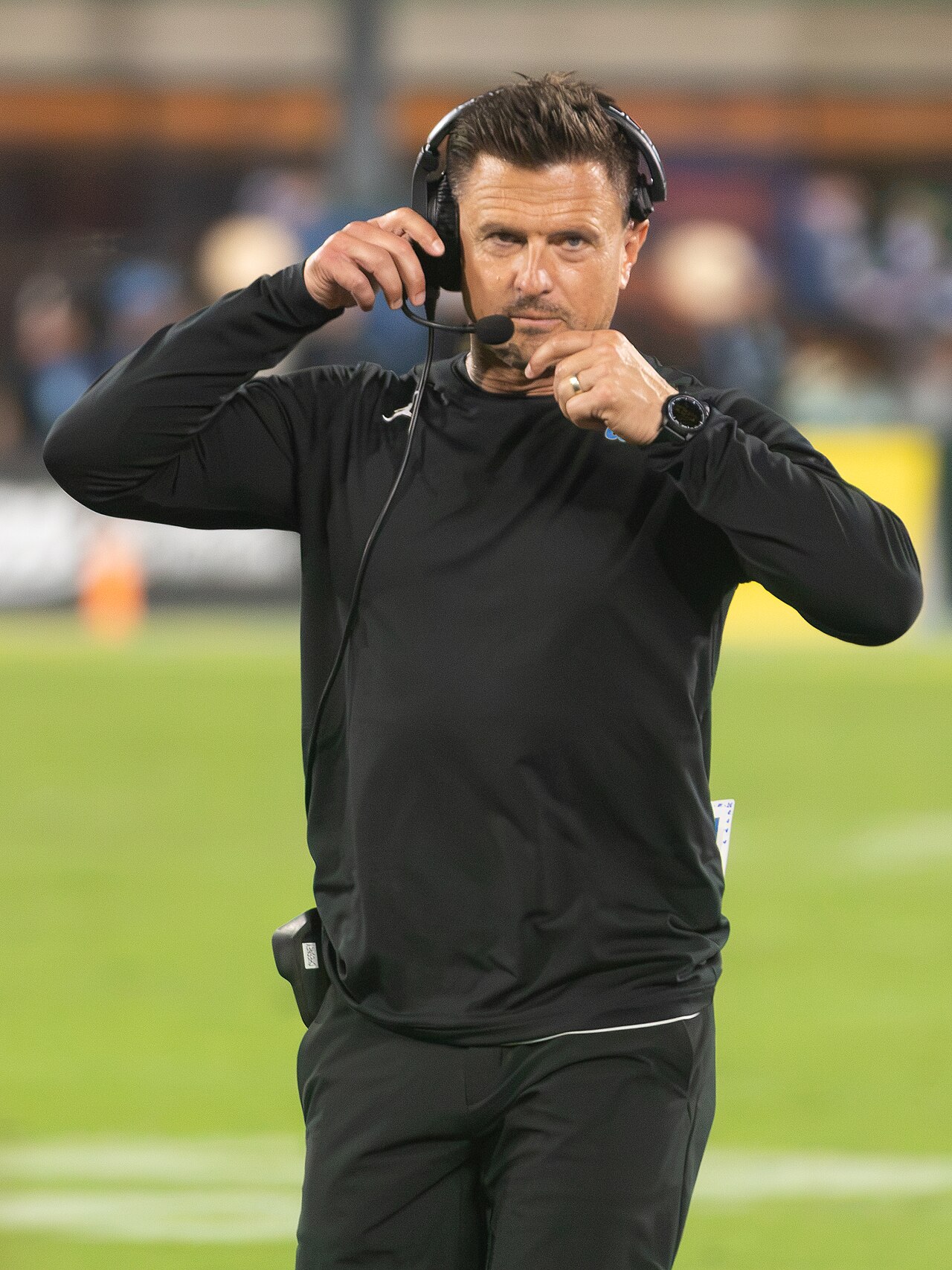
Barry Odom serves as the head coach of the Purdue Boilermakers football team in his second season [3]. His leadership represents the ongoing coaching stability for the program.
Football Season Performance 2026
The 2026 Purdue Boilermakers football team recorded a 3–8 overall record and a 2–6 mark in Big Ten play [3]. This performance placed the team tied for second-to-last in the conference standings.
Conference Standings Impact
Finishing tied for second-to-last in Big Ten play reflects the competitive challenges within the conference [3]. The 2–6 conference record indicates areas for improvement in future seasons.
Season Analysis
The 3–8 overall record suggests a season with mixed results against non-conference and conference opponents [3]. Performance in Big Ten play remains a key metric for program evaluation.
Mascots And Brand Identity
The Purdue Boilermakers feature two primary mascots: the Boilermaker Special and Purdue Pete [2]. These mascots represent the tradition and spirit of the athletics program.
Boilermaker Special
The Boilermaker Special is a special train-style mascot that has been associated with Purdue athletics [2]. This unique mascot reflects the university's engineering and railroad heritage.
Purdue Pete
Purdue Pete serves as the official mascot for Purdue athletics [2]. The mascot appears at sporting events and university functions, representing student engagement and school spirit.
Varsity Sports Distribution
Purdue fields 18 varsity sports teams across men's and women's athletics [2]. This distribution reflects the university's commitment to comprehensive athletic opportunities.
Men's Sports
The 18 varsity sports include multiple men's programs across different athletic disciplines [2]. Men's sports typically represent the larger portion of varsity offerings at Big Ten institutions.
Women's Sports
Women's varsity sports complete Purdue's athletics portfolio [2]. Title IX compliance and gender equity influence the distribution and support of women's athletic programs.
Historical Conference Performance
Purdue Boilermakers have maintained membership in the Big Ten Conference throughout their modern era [2]. Conference performance varies by sport and season, with football being one of the most visible programs.
Football Conference History
The football program's Big Ten record reflects decades of conference competition [2][3]. Historical performance varies, with periods of success and rebuilding phases.
Other Sports Conference Play
Non-football varsity sports also compete within Big Ten Conference structures [2]. Conference championships and regular-season performance determine NCAA tournament selections and seeding.
Athletic Department Operations
The Purdue athletics department operates with a structured administration overseeing 18 varsity sports [2]. Departmental operations include compliance, compliance with NCAA regulations, and support services for student-athletes.
Compliance And Governance
NCAA governance affects all Purdue varsity sports [2]. Compliance offices ensure adherence to recruiting rules, eligibility requirements, and amateurism standards across the athletics program.
Student-Athlete Support
Support services for Purdue student-athletes include academic resources, training facilities, and medical support [2]. These services aim to promote student-athlete success both competitively and academically.
Facilities And Infrastructure
Purdue University provides facilities for all 18 varsity sports [2]. Athletic infrastructure includes training centers, competition venues, and support buildings appropriate for Division I competition.
Football Facilities
Ross-Ade Stadium serves as the primary football venue [2]. Additional football facilities include practice fields, weight rooms, and conditioning infrastructure.
Multi-Sport Venues
Other varsity sports utilize dedicated or shared facilities across the Purdue campus [2]. Facility quality varies by sport and affects recruitment and competitive performance.
Recent Program Developments
Barry Odom's tenure as head coach represents recent leadership continuity for Purdue football [3]. His second season in 2026 followed the 3–8 record that characterized that year's campaign.
Coaching Changes
Leadership transitions at the head coach position affect program direction [3]. Odom's hiring signaled a continuation of the program's strategic approach to competition in the Big Ten.
Program Trajectory
The 2026 season performance of 3–8 overall and 2–6 in conference play indicates areas for program development [3]. Future seasons will determine whether improvements materialize in conference standings.
Tradition And Culture
Purdue Boilermakers traditions include the Boilermaker Special mascot and Purdue Pete, both representing the university's industrial heritage [2]. These traditions connect current students and fans to the institution's history.
Game Day Culture
Ross-Ade Stadium game days feature Boilermaker Special appearances and Purdue Pete engagements [2]. Student sections and fan traditions contribute to the athletics atmosphere.
Rivalry Games
Purdue maintains rivalry games within the Big Ten Conference, particularly against in-state and historical opponents [2]. These matchups often draw significant fan interest and media attention.
Media And Public Relations
Purdue Boilermakers athletics receives media coverage across local and regional outlets [2]. Game broadcasts, press conferences, and official athletics communications shape public perception of the program.
Broadcast Partnerships
Big Ten Conference media rights agreements affect how Purdue football and other sports are televised [2]. Conference networks distribute content across various platforms.
Digital And Social Media
Purdue athletics maintains digital presence through official channels [2]. Social media platforms serve as direct communication tools between the athletics department, student-athletes, and fans.
Comparison With Peer Institutions
As a Big Ten member, Purdue competes with other public university athletics programs in the conference [2]. Conference membership creates natural comparison points for resources, facilities, and competitive performance.
Resource Allocation
Big Ten institutions vary in athletics budget allocation [2]. Purdue's resource level reflects its status as a public university in Indiana relative to conference peers.
Competitive Standing
Purdue's competitive position across the 18 varsity sports reflects the breadth of the athletics program [2]. Football performance, basketball success, and other sports contribute to overall conference perception.
Future Outlook
The Purdue Boilermakers program faces ongoing challenges and opportunities in NCAA Division I competition [2]. Future seasons will determine whether the program can improve upon the 2026 performance of 3–8 overall and 2–6 in Big Ten play [3].
Recruiting And Development
Recruiting efforts affect future roster composition and competitive potential [2]. Player development within the coaching staff's system represents a key factor in program improvement.
Facility Improvements
Potential facility investments could affect Purdue's ability to attract and retain talent [2]. Conference peers' facility upgrades sometimes prompt similar investments at member institutions.