
Overview and Strategic Importance
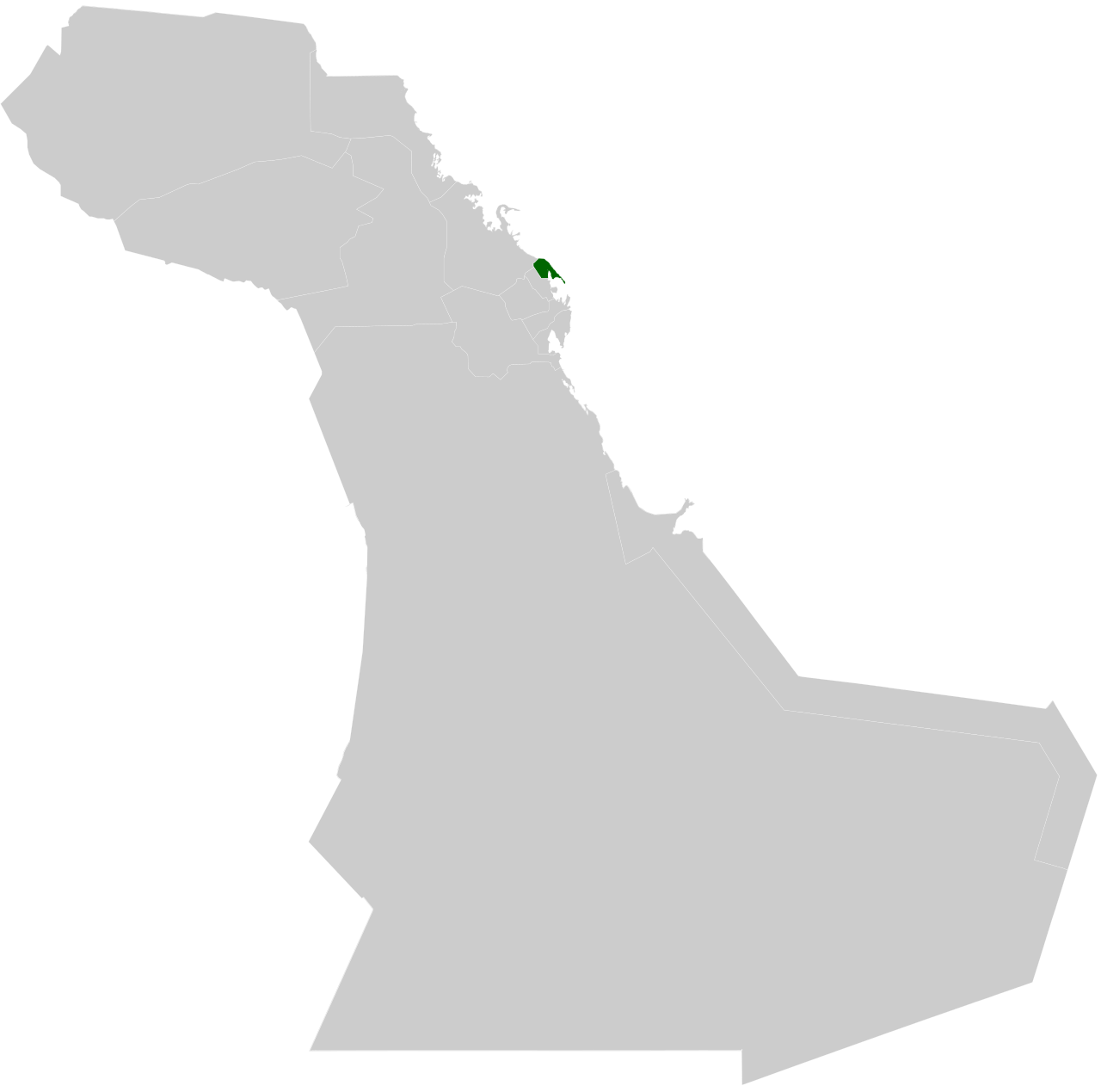
The Ras Tanura refinery, located in Saudi Arabia's Eastern Region, stands as the kingdom's largest oil refinery with a refining capacity of 550,000 barrels per day [4]. This facility processes crude oil for both domestic consumption and export, making it a cornerstone of Saudi Arabia's energy infrastructure and global oil supply chains [4]. Its strategic location on the Persian Gulf coast enables efficient tanker loading for international markets, positioning it as a critical node in global energy logistics [4].
Role in Saudi Energy Exports
As Saudi Arabia's primary refining hub, Ras Tanura complements the kingdom's crude oil production by transforming raw petroleum into refined products such as gasoline, diesel, and jet fuel [4]. The refinery's 550,000 barrels per day capacity supports Saudi Arabia's position as the world's leading oil exporter, with operations designed to maximize output while maintaining reliability for long-term supply contracts [4].
Vulnerability in Regional Conflict
The refinery's prominence makes it a high-value target in regional military operations, as demonstrated by the November 2026 incident [3][5]. Its coastal location and extensive infrastructure present both tactical opportunities for attacking forces and significant risks to global energy stability if operations are disrupted [4][5].
Houthi Announcement and Claim of Responsibility
On November 25, 2026, Yemen's Ansar Allah (Houthis) announced via their spokesman Yahya Saree that they carried out military operations targeting the Ras Tanura refinery in Saudi Arabia's Eastern Region [3][5]. The statement claimed the strike hit its target accurately and caused a fire at the facility [3][5]. This announcement marked another escalation in the ongoing conflict between the Houthis and Saudi Arabia [3][5].
Yahya Saree's Statement
Yahya Saree, spokesman for the Yemeni armed forces, asserted that the strike on the Ras Tanura refinery achieved its intended objectives and resulted in a fire at the facility [3][5]. The claim emphasized the precision of the operation and the facility's vulnerability to drone attacks launched from Yemeni territory [3][5]. Saree's statement served both as a tactical declaration and a psychological operation targeting Saudi infrastructure [3][5].
Motivation as Retaliation
The Houthi attack was described as a response to Saudi Arabia's 'brutal aggression' against Yemen and its crimes against the Yemeni people [3][5]. This framing positions the Ras Tanura strike as part of a broader campaign of targeting Saudi economic assets to pressure the kingdom politically and militarily [3][5]. The refinery's symbolic importance as a representation of Saudi economic power made it a strategic target in this calculus [3][5].
Saudi Air Defence Response
The Saudi-led coalition stated that air defences intercepted and destroyed four drones over Ras Tanura in Saudi Arabia's Eastern Province [4]. This air defence response demonstrates the kingdom's layered defence systems designed to protect critical infrastructure from aerial threats [4]. The interception of multiple drones indicates a coordinated attack rather than a single incident [4].
Interception Capabilities
Saudi air defence forces employed systems to intercept and destroy the incoming drones over the Ras Tanura refinery area [4]. The successful destruction of four drones suggests effective detection and engagement protocols were activated following the detection of aerial threats approaching the facility [4]. These capabilities represent Saudi Arabia's investment in protecting its critical energy infrastructure [4].
Damage Assessment
While the Saudi-led coalition claimed interception and destruction of the drones, the Houthi announcement specifically reported causing a fire at the Ras Tanura refinery [3][4][5]. This discrepancy between intercepted drones and reported facility damage raises questions about the extent of any successful penetration of defence systems [3][4][5]. The true scope of damage remains subject to differing accounts from the conflicting parties [3][4][5].
Visual Evidence and Satellite Imagery
Satellite imagery from NASA and Planet Labs showed thick black smoke billowing over the Ras Tanura refinery following the attacks [4][5]. This visual evidence provides objective documentation of the incident's impact on the facility [4][5]. The smoke plumes observed in satellite images suggest significant combustion events at the refinery complex [4][5].
Smoke Plume Analysis
The thick black smoke observed in satellite imagery indicates large-scale burning at the Ras Tanura refinery complex [4][5]. Color and density of smoke plumes can provide insights into the nature of materials burning and the intensity of the incident [4][5]. Satellite documentation offers independent verification of the attack's physical effects beyond claims from either side [4][5].
Imagery Timeline
Satellite images captured in the hours following the November 25, 2026 attack documented the evolving situation at Ras Tanura [4][5]. Temporal analysis of imagery allows researchers to track the duration and spread of smoke, as well as any subsequent activity at the facility [4][5]. These images serve as permanent records of the incident for later analysis [4][5].
Regional Conflict Context
The Ras Tanura attack occurs within the broader context of Yemen's civil war and the involvement of Ansar Allah (Houthis) in cross-border operations against Saudi targets [3][5]. The Houthi movement has increasingly targeted Saudi infrastructure as part of their military campaign, with oil facilities representing high-value objectives [3][5]. This pattern of targeting reflects the evolving tactics in the protracted conflict [3][5].
Saudi-Yemen Relations
The attack on Ras Tanura reflects the strained relationship between Saudi Arabia and Yemen's Houthi movement, which has been marked by repeated cross-border operations [3][5]. Saudi Arabia has led a military coalition supporting Yemen's internationally recognized government against Houthi forces since 2014 [3][5]. The targeting of economic assets like refineries represents an escalation in the methods of warfare employed [3][5].
Impact on Civilian Populations
Attacks on critical energy infrastructure like Ras Tanura have potential ripple effects on civilian populations, both within Saudi Arabia and globally through energy price fluctuations [3][5]. Disruptions to oil refining can affect fuel availability and pricing, impacting household budgets and industrial operations [3][5]. The humanitarian dimension of targeting energy infrastructure remains a concern in conflict analysis [3][5].
Global Oil Market Implications
As Saudi Arabia's largest oil refinery with 550,000 barrels per day capacity, any disruption to Ras Tanura operations has potential implications for global oil supply [4]. The refinery's role in processing crude into refined products means that attacks can affect product availability beyond just crude oil flows [4]. Global markets monitor such incidents for potential impacts on supply balances and pricing [4].
Supply Chain Sensitivity
The oil market's sensitivity to refinery disruptions stems from the complex global supply chains that depend on consistent refining capacity [4]. Ras Tanura's 550,000 barrels per day capacity represents a meaningful portion of Saudi refining output, and sustained disruption could require alternative sourcing arrangements [4]. Market reactions to such events often include short-term volatility as traders assess implications [4].
Long-term Energy Security Considerations
Incidents like the Ras Tanura attack highlight the fragility of energy infrastructure in regions of geopolitical tension [4][5]. They underscore the importance of diversified energy supplies and resilient infrastructure planning [4][5]. The event may accelerate discussions about energy security strategies among consuming nations [4][5]. Long-term responses could include strategic petroleum reserve adjustments or investment in alternative energy sources [4][5].
Houthi Military Capabilities
The Ras Tanura drone attack demonstrates the expanding reach and capabilities of Houthi military operations [3][5]. Unmanned aerial vehicles have become a central component of the Houthis' asymmetric warfare toolkit against Saudi targets [3][5]. The ability to strike deep into Saudi territory represents a significant evolution in the conflict's dynamics [3][5].
Drone Technology and Range
Houthi drone operations have progressively extended their range and precision, as evidenced by the Ras Tanura refinery strike [3][5]. The use of drones allows the Houthis to target high-value infrastructure while minimizing risk to their own forces [3][5]. Technological improvements in drone navigation, payload capacity, and evasion of air defence systems have enabled these deep-strike capabilities [3][5].
Asymmetric Warfare Tactics
The choice to target Ras Tanura rather than military installations reflects the Houthis' asymmetric warfare doctrine of striking economic and symbolic targets [3][5]. This approach aims to maximize psychological and economic impact relative to the resources invested [3][5]. The refinery's status as Saudi Arabia's largest facility makes it a particularly potent target in this tactical calculus [3][5].
Verification and Information Environment
The incident involves competing claims from Houthi sources and the Saudi-led coalition, each presenting different narratives about the attack's success and impact [3][4][5]. Houthi spokesman Yahya Saree claimed accurate targeting and fire at the facility [3][5], while Saudi air defence statements emphasized interception of incoming drones [4]. Satellite imagery provides independent visual documentation of smoke plumes over the refinery [4][5]. This information environment reflects the challenges of verifying events in active conflict zones [3][4][5].
Source Credibility Assessment
Tasnim News Agency, Cyprus Mail, and Antiwar.com represent different perspectives on the incident, with varying degrees of proximity to the involved parties [3][4][5]. Independent verification through satellite imagery offers a more neutral vantage point [4][5]. The discrepancy between claimed damage and intercepted drones highlights the difficulty of establishing factual clarity in real-time [3][4][5].
Implications for Future Reporting
The Ras Tanura incident illustrates the importance of multi-source verification in conflict reporting [3][4][5]. Readers must navigate competing claims while assessing available evidence [3][4][5]. The case demonstrates how drone attacks complicate traditional attribution and damage assessment methods [3][4][5]. Future reporting will likely continue to rely on satellite imagery and multiple on-the-ground sources [3][4][5].
Comparative Analysis with Previous Incidents
The Ras Tanura attack is part of a pattern of Houthi targeting of Saudi oil infrastructure, following previous incidents that have tested the kingdom's defence capabilities [3][5]. Earlier attacks on oil facilities have shaped both Houthi tactical approaches and Saudi defensive responses [3][5]. The November 2026 incident represents the latest chapter in this evolving dynamic [3][5].
Evolution of Target Selection
Houthi target selection has evolved from nearer-border objectives to deeper strikes into Saudi territory, with Ras Tanura representing the most significant refinery target to date [3][5]. This progression reflects both improved drone capabilities and growing confidence in their ability to penetrate defence zones [3][5]. Each successful or intercepted strike informs the other side's subsequent tactics [3][5].
Saudi Defensive Adaptation
The Saudi-led coalition's response to the Ras Tanura attack, including the claimed interception of four drones, indicates ongoing adaptation of air defence posture [4]. The kingdom has invested significantly in air defence systems following earlier infrastructure attacks [4]. Each incident provides data for refining detection and engagement protocols [4]. The arms race between offensive drone capabilities and defensive systems continues to evolve [4].
Future Implications and Monitoring
The Ras Tanura incident will likely be monitored for trends in Houthi targeting patterns and Saudi defensive responses [3][4][5]. The incident's placement in November 2026 positions it within a specific temporal context of the broader conflict [3][4][5]. Analysts will track whether similar attacks follow and how they develop [3][4][5].
Energy Market Watch
Global energy markets will continue monitoring Ras Tanura's operational status and any implications for Saudi refining capacity [4]. The 550,000 barrels per day capacity figure serves as a benchmark for assessing potential disruption severity [4]. Market participants will assess whether this incident triggers supply concerns or remains an isolated event [4]. Long-term energy policy adjustments may reflect lessons learned from such incidents [4].
Conflict Trajectory
The Ras Tanura attack's significance will be evaluated in the context of the broader Yemen-Saudia Arabia conflict trajectory [3][5]. Whether it represents a one-off escalation or part of a sustained campaign depends on subsequent developments [3][5]. The incident contributes to the complex information landscape surrounding the conflict [3][5]. Ongoing analysis will require balancing competing claims with available evidence [3][5].
Sources & citations
- How to force Docker for a clean build of an image
- Docker compose up --force-recreate --build uses caching but I...
- Yemen Announces Attacks on Ras Tanura... - Tasnim News Agency
- Yemen's Houthis say they attacked Saudi Arabia's Ras Tanura refinery
- Yemen’s Ansar Allah Strikes Saudi Arabia’s Largest Oil Refinery