
Overview of Roof Damage Insurance Claims
Roofs serve as the primary protective barrier for buildings against rain, snow, sunlight, temperature extremes, and wind [1]. When storm events cause damage, homeowners often turn to insurance to cover repairs or replacement. However, roof damage claims are frequently disputed, underpaid, or denied, making them one of the most contentious areas of property insurance [3].
Why Roof Claims Are Frequently Disputed
Insurers often attribute roof damage to age or normal wear rather than a covered peril such as wind or hail, which can lead to claim denials or reduced payouts [3]. Policyholders may find themselves arguing over whether damage resulted from a storm versus gradual deterioration.
The Financial Stakes of Roof Repairs
The average cost of roof construction on a single-family home was $9,954 in 2019, representing a significant financial outlay for homeowners even without insurance involvement [2]. When combined with the high frequency of storm-related claims, this makes roof damage a major concern for both policyholders and insurers.
Common Covered Perils and Initial Claim Filing
Covered Events That Trigger Roof Claims
Homeowners insurance can help pay for roof replacement or repairs if the source of damage is a covered peril, including wind, hail, or storm events [2]. Policyholders should review their policy declarations page to understand specific covered events and any exclusions that may apply.
Steps to File a Roof Damage Claim
The claim process typically begins with documenting the damage, contacting the insurance company, and obtaining a professional inspection. Thorough documentation is essential, as insurers require evidence linking damage to a covered event rather than pre-existing conditions [3].
Hidden Damage and Water Intrusion
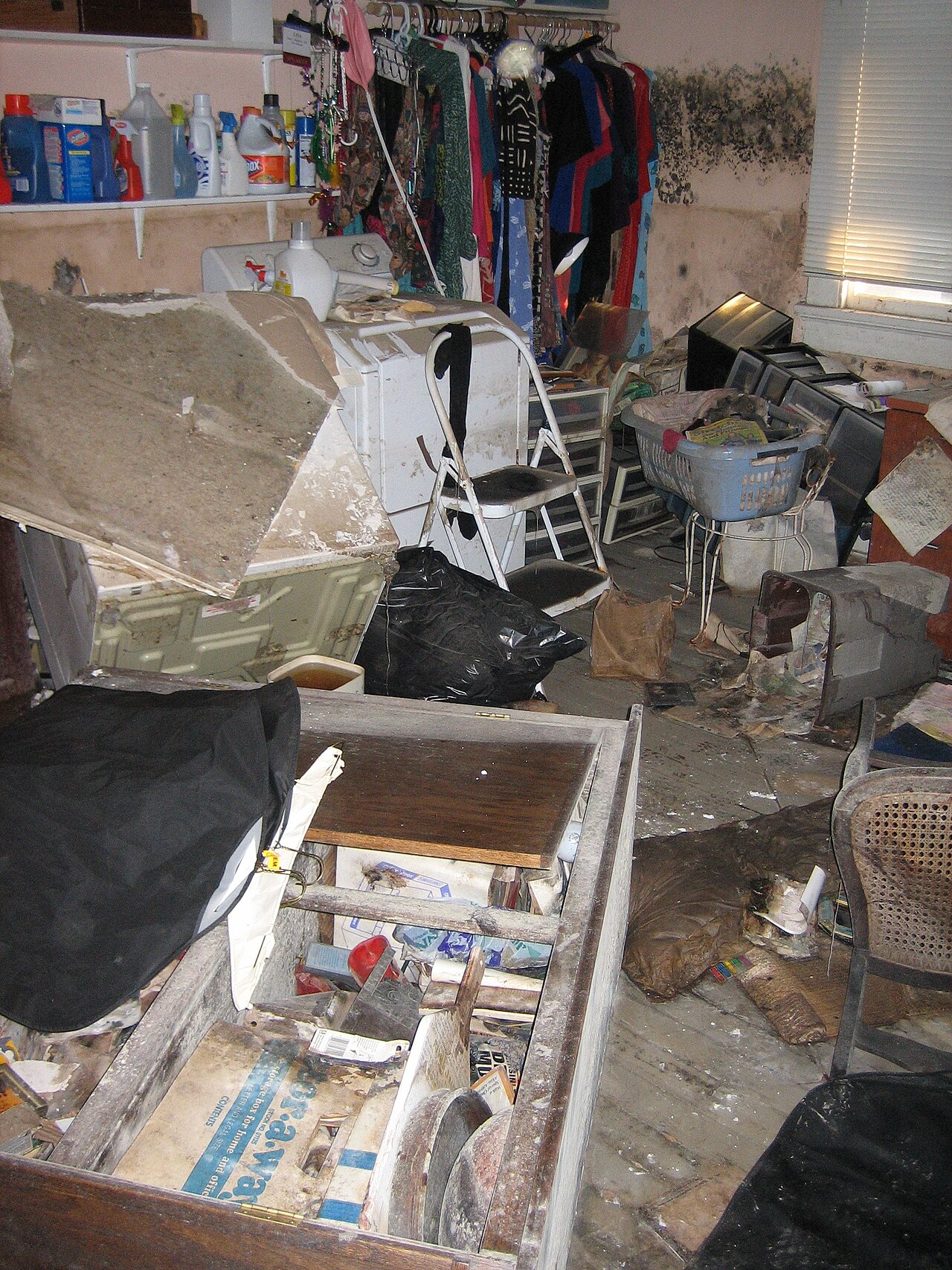
Roof damage often causes hidden and interior damage from water intrusion beyond the roof structure itself. Water that penetrates the roof envelope can damage insulation, ceilings, walls, and personal property, making it important to assess the full scope of loss [3].
Insurer Evaluation and Common Dispute Tactics
Age and Wear Arguments
A primary tactic insurers use to deny or reduce roof claims is attributing damage to roof age or normal wear and tear rather than a specific covered event. This can result in claim denials or payouts that reflect depreciated value rather than full replacement cost [3].
Partial Repairs Versus Full Replacement
Insurers may approve partial repairs when a full roof replacement is warranted, leaving policyholders with an inadequate fix. This can create ongoing issues if the underlying damage is not fully addressed [3].
Matching and Building Code Requirements
Roof claims frequently involve matching existing roofing materials and meeting current building code requirements. These factors can significantly affect the total cost of repair or replacement, as older materials may no longer be available and codes may have changed since the original roof was installed [3].
Low Settlement Offers and Policyholder Counteraction
Initial Low Offers
Roof claims frequently come with low offers that do not cover proper repair or replacement. Insurance companies may initially offer amounts that fall short of actual repair costs, requiring policyholders to counter with additional evidence or independent estimates [3].
The Need for Expert Assessment
Thorough documentation of roof damage often requires expertise to assess and support a full claim. Independent adjusters, roofing contractors, or public adjusters can provide the detailed inspections and reports needed to challenge insurer evaluations [3].
Water Damage Beyond the Roof
When roof damage allows water intrusion, secondary damage to interior spaces can exceed the cost of roof repair alone. Policyholders should document all affected areas, as insurance may cover both roof repair and resulting interior damage if the initial cause is a covered peril [3].
Severe Weather Trends and Loss Statistics
Rising Severe Convective Storm Losses
U.S. severe convective storm losses reached at least $43 billion through September 2026, making it the sixth-costliest January-to-September period on record [4]. This upward trend in catastrophic events has increased the volume of roof-related insurance claims nationwide.
Hail as a Primary Driver of Losses
Hail damage accounts for roughly 50% to 80% of all severe convective storm losses, and the U.S. is where most of that money is paid out [4]. Given hail's prevalence, homeowners in many regions face elevated risk of roof damage claims following storm seasons.
Seasonal Patterns and Claim Volume
The concentration of hail and wind damage within a few months of the year creates seasonal spikes in roof insurance claims. Insurers prepare for these periods, but the sheer volume can lead to faster processing times and, at times, less thorough individual assessments [4].
Technology: AI and Drone Inspections
Drone and Aerial Imagery for Damage Capture
AI is used in roof inspections for capture via drones and aerial imagery, allowing adjusters to document roof conditions after storm seasons without requiring physical climbing [4]. This technology can speed up the inspection process and provide consistent visual records.
Automated Damage Classification
Beyond capture, AI systems classify the type and extent of roof damage, distinguishing between hail impact, wind damage, and age-related wear. This classification helps standardize initial evaluations, though results may still require human review [4].
Cost Estimation After Storm Seasons
AI-driven estimating tools can generate repair cost estimates at scale following major storm events. While efficient, these automated figures may not capture all hidden damage or code-required upgrades, potentially leading to underestimation of true replacement costs [4].
Fraud, Scams, and Legal Enforcement
Deliberate Damage to Qualify for Claims
Roofing scams, including deliberate damage to shingles to qualify for insurance claims, cost insurance companies and policyholders alike. These fraudulent activities drive up premiums for all customers and undermine trust in the claims process [5].
Sting Operations and Prosecution
Law enforcement has responded to fraud with operations such as the 2025 North Carolina sting, which alleged a roofer damaged shingles to file a $30,000 insurance claim [5]. These cases demonstrate that deliberate damage is a criminal offense, not just a civil matter, and can result in significant legal consequences.
Impact on Premiums and Honest Policyholders
When fraud increases, insurance companies spread the cost across all policyholders through higher premiums. Honest homeowners who maintain their roofs and file legitimate claims ultimately bear the financial burden of others' fraudulent actions [5].
Policyholder Strategies for Successful Claims
Documentation Best Practices
From the moment damage is discovered, homeowners should photograph and video the roof from multiple angles, note the date of the storm event, and keep all receiptes for temporary repairs. Detailed records create a stronger foundation for disputing denials or low offers [3].
Understanding Policy Language
Policyholders should carefully review their coverage limits, deductibles, and any exclusions related to roof age or material type. Knowing whether a policy pays actual cash value versus replacement cost makes a significant difference in out-of-pocket expenses [2].
When to Hire a Public Adjuster
For complex or high-value roof claims, engaging a public adjuster can level the playing field. These professionals work on behalf of the policyholder, not the insurer, and their expertise in documentation and negotiation often results in higher settlements [3].