
Botanical Classification and Edible Parts
Root vegetables are defined as underground plant parts consumed as food, encompassing true roots like taproots and root tubers, as well as non-roots such as bulbs, corms, rhizomes, and stem tubers [1]. This botanical breadth means the category includes carrots and beets as taproots, while potatoes and yams function as storage organs formed from root or stem tissue. The distinction matters because true roots develop from the radicle of the embryo, whereas stem tubers arise from underground stems and rhizomes spread horizontally [1]. Understanding this classification clarifies why some plants labeled root vegetables are structurally stems or modified roots, yet all serve similar culinary roles as carbohydrate storage organs.
True Roots versus Stem Modifications
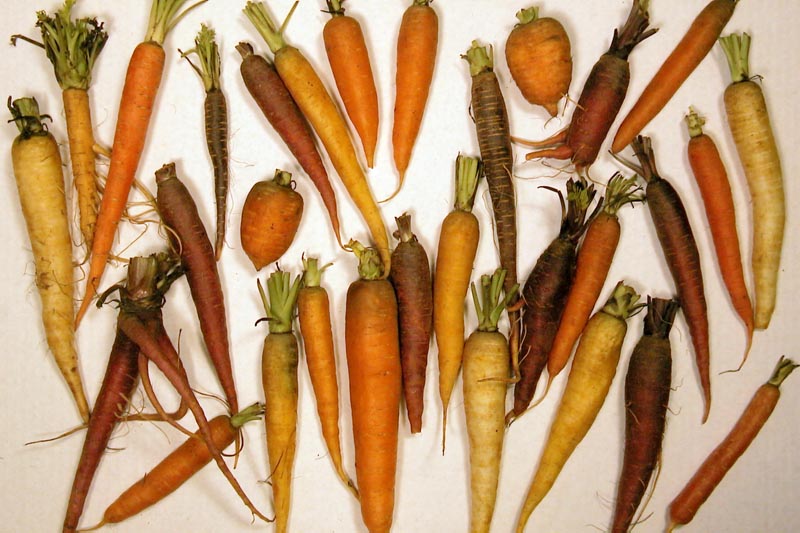
Taproots such as carrots and parsnips develop from the primary root and store energy in a thickened primary root axis, while tuberous roots like sweet potatoes arise from adventitious root clusters [1]. In contrast, stem tubers including potatoes form from underground stem modifications that store starch in nodes and internodes, and rhizomes like ginger spread as horizontal underground stems [4]. This structural diversity explains the wide range of textures and flavors across the category, from the crisp snap of a raw carrot to the mealy interior of a baked potato.
Energy Storage Function
Root vegetables serve as energy storage organs for the parent plant, accumulating carbohydrates such as starches and sugars to sustain growth through dormant periods [1]. When humans harvest these organs, they consume concentrated energy sources that have been biologically prepared for longevity. The starches in potatoes, the sugars in beets, and the complex carbohydrates in cassava all reflect the plant's strategy for surviving winter or dry seasons, making these vegetables natural storage batteries for the food supply.
The biochemical composition of root vegetables directly influences their culinary behavior and nutritional profile. Plants that store more sugar, like beets, caramelize readily under heat, while those high in starch, like potatoes, crisp when fried due to moisture loss and starch gelatinization. This variation arises from the different carbohydrate types each species accumulates as it prepares for dormancy [1].
Major Types of Root Vegetables
Traditional root vegetables growing underground include carrots, radishes, rutabaga, beets, parsnips, and turnips, which are harvested for their enlarged root tissues [4]. These true roots are recognizable by their familiar shapes and are staples in many seasonal diets, particularly in temperate climates where they store well in the ground through winter. Their hardiness makes them reliable crops for subsistence and commercial agriculture alike.
Tubers and Starchy Staples
Tubers, a distinct category of root vegetables, include potatoes, yams, cassava, and jicama, which function as underground storage organs for energy reserves [4]. Unlike true roots, tubers often possess eyes from which new shoots emerge, and their flesh ranges from waxy to mealy depending on the ratio of amylose to amylopectin starches. This group forms the caloric backbone of many national diets, particularly where cereal crops are less reliable.
Rhizomes, Bulbs, and Flavor Crops
Rhizomes used as spices include wasabi, ginger, and turmeric, which spread as horizontal underground stems and accumulate pungent compounds valued in cuisines worldwide [4]. Bulbs used as flavor powerhouses include garlic, shallots, and onion, which consist of layered fleshy scales surrounding a central growth point [4]. Though not always classified as root vegetables in the strictest botanical sense, these underground plant parts share the category's characteristic of energy storage and long shelf life, and they contribute heat, sweetness, or depth to countless dishes.
The distinction between these subcategories matters for cooking techniques and nutritional expectations. Root tubers like potatoes yield more starch and less water than true roots like carrots, affecting how they thicken soups or hold shape in salads. Rhizomes and bulbs often contain higher concentrations of essential oils and pungent compounds, making them potent flavor agents rather than bulk energy sources [4].
Global Staple Crops and Food Security
Different root vegetables are staple crops worldwide; taro is a staple in many Pacific Island nations used to make poi, a traditional paste central to cultural ceremonies and daily meals [4]. Taro's corm, a type of modified root, provides calories and fiber for populations where wheat or rice may not grow successfully due to soil or climate constraints. Its cultural significance extends beyond nutrition, featuring in creation myths and social customs across Polynesia and Micronesia.
Cassava and Tropical Caloric Density
Cassava is a staple in many tropical countries and one of the most common carbohydrate sources in Africa, Asia, and Latin America, providing more than 30 percent of daily calories for millions of people [4]. The root's high starch content and ability to grow in poor soils make it a resilient crop in the face of climate variability. However, proper processing is required to remove cyanogenic glycosides, which can release toxic cyanide if the root is consumed raw or incorrectly prepared.
Seasonal Reliability and Storage
Root vegetables generally have a longer shelf life than delicate vegetables like spinach and lettuce, providing energy and nutrients during leaner times [4]. Their underground storage organs are naturally protected from pests and weather, and many varieties can be cured and stored for months in cool, dark conditions. This durability made them vital before modern refrigeration, and they remain a practical choice for reducing food waste in contemporary supply chains.
The storage longevity of root vegetables translates directly to food security, particularly in regions with limited infrastructure for cold chain logistics. A harvest of carrots or potatoes can sustain a family through several months, whereas leafy greens must be consumed within days. This characteristic underpins their historical role as winter reserves and their continued relevance in emergency food planning [4].
Nutritional Composition and Health Benefits
Root vegetables provide fiber, vitamins, minerals, and antioxidants; each type has its own mix of nutrients [4]. This nutritional diversity means that a diet incorporating various root vegetables can address multiple micronutrient needs simultaneously. For example, the orange pigment in carrots indicates beta-carotene provitamin A, while the deep purple of beets signals anthocyanin antioxidants, and the white flesh of potatoes contributes potassium and vitamin C.
Fiber and Digestive Health
Potatoes are rich in fiber, which keeps you feeling full, stabilizes blood sugar, lowers cholesterol, and supports a healthy gut [4]. The fiber in root vegetables, particularly when skins are consumed, promotes satiety and can aid in weight management. Soluble fiber forms a gel in the digestive tract that slows glucose absorption, while insoluble fiber adds bulk and promotes regular bowel movements, making root vegetables a functional food for metabolic health.
Vitamins, Minerals, and Antioxidant Profiles
Beyond macronutrients, root vegetables deliver essential micronutrients such as potassium, magnesium, and vitamin C, along with antioxidant compounds that combat oxidative stress [4]. The specific profile varies by species: sweet potatoes provide vitamin A above the daily value in a single serving, while turnips supply calcium and folate. Regular consumption of a variety of root vegetables contributes to reduced inflammation and improved cardiovascular markers, though the magnitude of benefit depends on the overall dietary context.
The antioxidant capacity of root vegetables is often concentrated in the skin or just beneath it, which is why scrubbing rather than peeling maximizes nutrient intake. However, cooking methods also influence bioavailability; steaming preserves more antioxidants than boiling, which can leach water-soluble vitamins into cooking water [4]. Home cooks seeking maximum health benefit should consider both variety and preparation technique.
Culinary Uses and Preparation Methods
Root vegetables feature in diverse culinary traditions, eaten roasted, boiled, mashed, fried, or raw depending on the species and cultural preference [4]. The cooking method chosen often depends on the vegetable's starch and water content; high-starch potatoes fluff when baked, while waxy varieties hold shape in stews. Raw consumption is common for carrots and radishes, which provide crisp texture and refreshing sweetness, but some tubers require cooking to deactivate natural toxins or improve digestibility.
Roasting, Mashing, and Pureeing
Roasting caramelizes the natural sugars in root vegetables, enhancing sweetness and developing complex flavor compounds through the Maillard reaction [4]. Potatoes and parsnips become tender and nutty when roasted at high heat, while beets concentrate their earthy sweetness. Mashing incorporates fat such as butter or cream to create smooth textures, and the starch content determines whether the result is fluffy or dense. Pureed root vegetables serve as bases for soups, sauces, and infant foods, leveraging their natural thickness and mild flavor.
Frying, Chips, and Crisp Applications
Frying root vegetables in oil produces crisp exteriors and tender interiors, a preparation popular for potatoes, yams, and taro [4]. The starch gelatinizes and then dehydrates, creating the structural network that defines a chip or fry. Raw rhizomes like jicama can be sliced thin and fried into chips, offering a lighter alternative to potato-based snacks. The oil absorption rate varies by variety, affecting both texture and caloric density of the final product.
The versatility of root vegetables in the kitchen stems from their ability to withstand diverse heat treatments without disintegrating, unlike more fragile produce. This resilience allows them to be the star of a dish or a supporting player, adapting to the flavor profile and technical requirements of the recipe [4].
Historical and Cultural Significance
Root vegetables have been cultivated and relied upon by human societies for millennia, featuring prominently in archaeological records across multiple continents [4]. Early agricultural societies selected for larger, sweeter, or more storable root types, inadvertently driving the domestication traits seen in modern cultivars. The archaeological record shows potato remains in the Andes dating to 8,000 years ago, while taro pollen indicates cultivation in Southeast Asia at least 7,000 years ago, underscoring their deep time importance.
Indigenous Knowledge and Crop Development
Indigenous peoples of the Americas cultivated potatoes, sweet potatoes, and other root vegetables into hundreds of distinct varieties adapted to local elevations and climates [4]. This knowledge of selective breeding and microclimate management allowed populations to thrive in environments ranging from coastal lowlands to high-altitude plateaus. The genetic diversity preserved in farmer-saved seeds represents a living heritage that continues to inform modern crop improvement efforts for disease resistance and nutritional enhancement.
Symbolic and Ceremonial Roles
In many cultures, root vegetables carry symbolic meaning related to fertility, grounding, or winter survival [4]. Taro features prominently in Polynesian creation myths, while potatoes became a staple that prevented famine in Europe during the 18th and 19th centuries. Such cultural associations shape how these foods are named, prepared for holidays, and passed down through generations, embedding them deeper into the social fabric than mere sustenance would suggest.
The historical trajectory of root vegetables reflects broader patterns of human migration, trade, and agricultural innovation. Crops moved along trade routes, adapting to new soils and cuisines, while colonial exchanges redistributed species globally, sometimes with disruptive consequences for local ecosystems and food systems [4]. Understanding this history provides context for contemporary debates about crop biodiversity, food sovereignty, and the environmental impact of large-scale root vegetable production.
Agricultural Production and Environmental Impact
Root vegetables are grown in diverse agricultural systems, from smallholder farms in the tropics to large-scale monocultures in temperate zones [4]. Their root systems can improve soil structure by breaking up compacted layers and adding organic matter, though intensive cultivation practices can lead to soil degradation if not managed sustainably. The environmental footprint varies significantly by crop, with potatoes requiring more water and inputs per calorie than drought-tolerant cassava or yams.
Water Use and Climate Adaptation
Water requirements for root vegetables span a wide range, with leafy greens and some root crops needing consistent irrigation, while others thrive on rainfall alone [4]. Cassava's ability to produce usable roots with minimal water makes it a critical crop in regions facing increasing aridity due to climate change. Potatoes, by contrast, perform best with consistent moisture, and yield reductions occur quickly under drought stress. Breeding programs are actively developing varieties with improved water use efficiency across the category.
Pest, Disease, and Crop Rotation
Root vegetables face specific pest and disease pressures, including soil-borne fungi, nematodes, and viral infections that can reduce yields and quality [4]. Crop rotation is a common management strategy, disrupting pest life cycles and maintaining soil health. However, the continuous planting of the same root vegetable species can deplete specific nutrients and allow pathogen buildup, necessitating careful field planning. Integrated pest management approaches combine biological controls, resistant varieties, and cultural practices to minimize chemical inputs.
The sustainability of root vegetable production hinges on balancing yield goals with ecosystem health. Practices such as reduced tillage, cover cropping, and diversified rotations can mitigate the environmental costs while preserving the food security benefits these crops provide [4]. Consumers increasingly seek transparently sourced root vegetables, prompting farmers and distributors to adopt certifications and labeling that communicate production methods.
Storage, Preservation, and Modern Logistics
Root vegetables' natural storage capabilities have been enhanced by modern post-harvest technologies, allowing year-round availability in supermarkets despite seasonal growing cycles [4]. Controlled atmosphere storage, which modifies oxygen and carbon dioxide levels, extends the shelf life of apples and potatoes without refrigeration, while curing processes heal wounds and reduce spoilage in harvested roots. These technologies mean that a carrot harvested in autumn can remain crisp and nutritious months later, supporting global food distribution networks.
Traditional and Indigenous Preservation Methods
Before industrial preservation, cultures developed techniques such as pit storage, fermentation, and drying to extend the usability of root vegetables through winter and lean seasons [4]. Indigenous groups in the Andes freeze-dry potatoes into chuño, a process that removes water and creates a product capable of lasting years. In West Africa, fermented cassava products like garri provide stable calories and can be stored without refrigeration, demonstrating ingenuity in food preservation that predates modern chemistry.
Food Waste Reduction and Utilization
The durable nature of root vegetables makes them a key component of strategies to reduce food waste, as their longer edible lifespan compared to leafy greens means less spoilage in households and supply chains [4]. When root vegetables do pass their prime, they can be repurposed into animal feed, industrial starches, or compost, returning nutrients to the soil. The peels and trimmings, often discarded, contain fiber and antioxidants that can be extracted for functional food ingredients, supporting circular economy principles in food systems.
Modern retail infrastructure leverages the inherent storage qualities of root vegetables to maintain display quality while minimizing loss. Plastic packaging, modified atmosphere storage, and temperature-controlled logistics all contribute to keeping root vegetables marketable for weeks rather than days, a significant advantage in reducing the environmental impact of food transport and disposal [4].
Emerging Research and Future Directions
Scientific interest in root vegetables is expanding beyond nutrition to include phytochemistry, climate resilience, and biofortification [4]. Researchers are identifying novel antioxidants and anti-inflammatory compounds in lesser-known species, potentially leading to new nutraceutical products. Simultaneously, breeding programs target climate-adaptive traits such as drought tolerance, heat resistance, and improved nutrient uptake efficiency to ensure yields remain stable as growing conditions shift.
Biofortification and Nutrient Enhancement
Biofortification efforts aim to increase the vitamin and mineral content of staple root vegetables through conventional breeding or genetic modification [4]. Golden Rice has garnered attention, but similar approaches are being applied to orange-fleshed sweet potatoes to boost vitamin A levels in populations at risk of deficiency. Iron-biofortified beans and cassava are under development for regions where anemia is prevalent, offering a sustainable alternative to supplementation programs that require ongoing distribution logistics.
Climate Resilience and Crop Improvement
Climate change poses challenges for root vegetable production, with increased frequency of extreme heat, flooding, and shifting pest distributions [4]. Breeding for resilience involves selecting parent plants that perform well under stress, then crossing them to combine desirable traits. Wild relatives of cultivated species often harbor genetic resistance to diseases or tolerance to environmental extremes, and gene banks preserve this diversity for future crop improvement. The goal is to maintain or increase production yields without expanding agricultural land, thereby reducing the carbon footprint per calorie produced.
Consumer preferences are also shifting toward heritage and heirloom varieties, which often possess unique flavors, colors, and nutritional profiles not found in commercial standardized types [4]. This demand supports small-scale farmers and contributes to agrobiodiversity, which in turn enhances the resilience of food systems overall. Research into the genetic basis of these traits can inform both conservation efforts and targeted breeding strategies.