
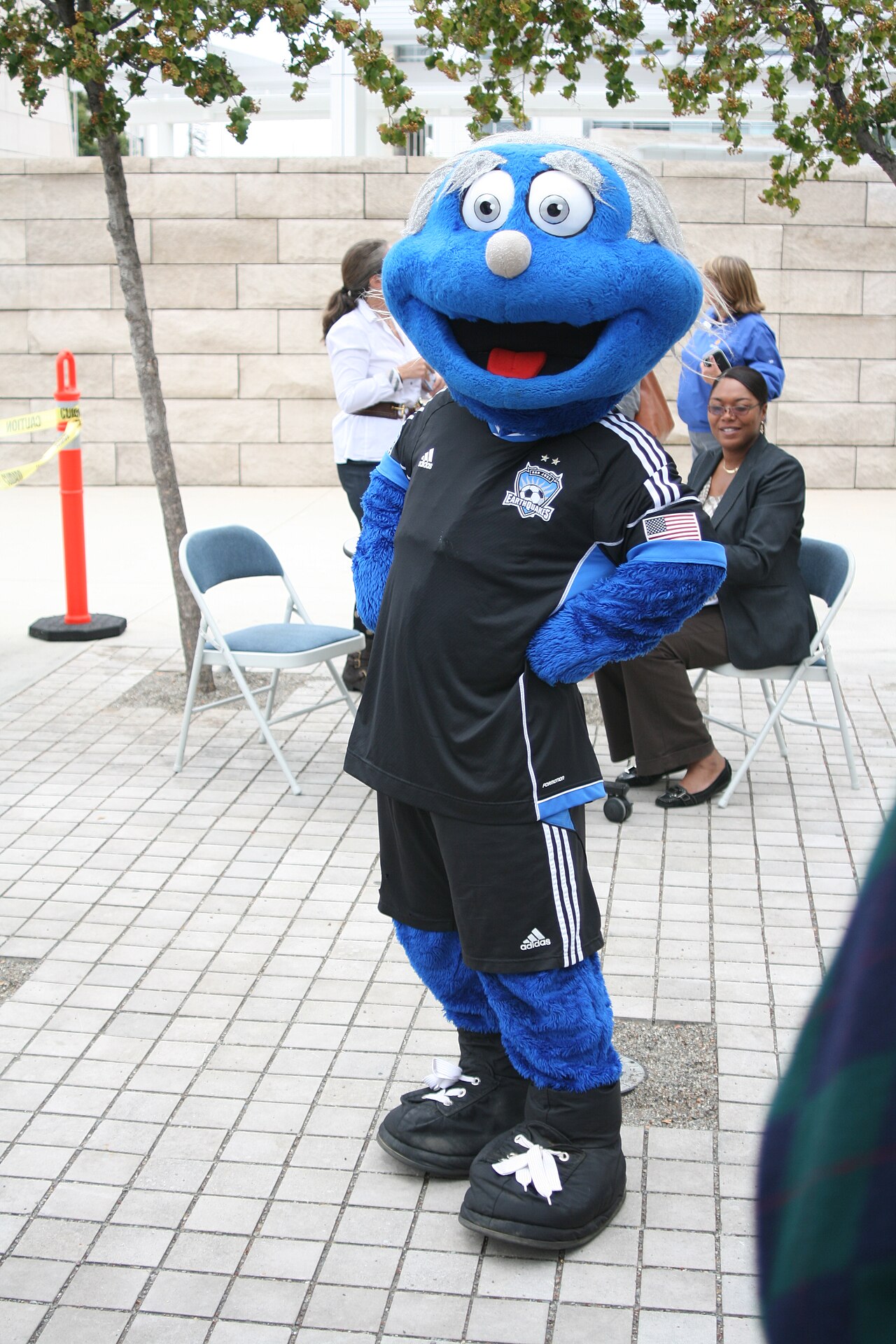
Founding and Early MLS Years
The San Jose Earthquakes were founded on June 15, 1994, entering Major League Soccer as one of the league's original franchises [2]. The club's inception came as part of MLS's effort to establish teams in major American markets, with San Jose representing the Silicon Valley region of California. This founding date places the Earthquakes among the earliest professional soccer clubs in the modern MLS era, establishing a legacy that would span over three decades [2].
Original Roster and Early Identity
In their formative years, the Earthquakes built a roster that would define the club's early identity in MLS. The team's early composition reflected the league's ambition to blend established talent with developing players, creating a foundation for competitive soccer in Northern California [2]. The club's colors and badge became symbols of regional pride for the San Jose community.
Stadium Transition and PayPal Park
The Earthquakes' home venue has undergone significant transformations reflecting the club's evolution. After playing at various locations including Spartan Stadium and Avaya Stadium, the team moved to PayPal Park, a soccer-specific stadium located in San Jose, California [2,4]. This venue represents a permanent home for the club, offering modern facilities for players and fans alike while anchoring the team in its community.
The transition to PayPal Park marked a new era for the Earthquakes, providing a dedicated soccer venue that enhances the matchday experience. The stadium's location in San Jose places the club firmly in the heart of Silicon Valley, creating unique connections between professional soccer and the tech industry that defines the region [2,4].
Club Structure and Management
The San Jose Earthquakes operate as a professional soccer club within Major League Soccer, the top-tier soccer league in the United States and Canada [2]. The club's organizational structure includes coaching staff, player development programs, and administrative operations designed to compete at the highest level of American soccer. The relationship between the club and MLS governs everything from player acquisitions to league-wide initiatives.
Coaching Leadership
Bruce Arena serves as the current head coach of the San Jose Earthquakes [1]. Arena's appointment brings extensive experience in MLS coaching, having previously led other clubs to success. His tenure represents the club's commitment to competitive excellence and strategic development both on and off the field. Arena's tactical approach shapes the team's playing style and player development philosophy.
Player Development and Roster Management
The Earthquakes maintain a roster of professional soccer players competing within the MLS framework. Player development involves scouting, training, and strategic acquisitions to build a competitive squad. The club's approach to roster management balances veteran experience with youth development, aiming to field a team capable of contending in the highly competitive Western Conference [1].
Under Arena's guidance, the Quakes have implemented structured training regimens and tactical systems that reflect modern MLS standards. The coaching staff's ability to adapt to different opponents and situations has become a defining characteristic of the team's identity in the 2026 season [1].
The 2026 Season Overview
The 2026 season represents the San Jose Earthquakes' 44th year of existence and their 29th season competing in Major League Soccer [1]. This milestone season places the club in a unique position as one of the original MLS franchises approaching its half-century mark. The season encompasses the team's efforts to balance historical legacy with contemporary competitive aspirations.
Conference Standing and Playoff Qualification
During the 2026 season, the Earthquakes finished in the Western Conference, securing their spot in the 2026 Audi MLS Cup Playoffs [4]. The team's conference placement reflects the competitive balance within the Western Conference, one of MLS's most challenging divisions. Playoff qualification represents a significant achievement for the club and its fanbase.
Cup Competitions Performance
The 2026 season results include notable performances across various cup competitions. The Earthquakes advanced to the Round of 32 in the U.S. Open Cup [1], demonstrating the team's ability to compete in knockout tournament soccer beyond regular league play. In the Leagues Cup, the team did not qualify, focusing resources and efforts on league and cup campaigns that offered progression opportunities [1].
The team's ability to navigate multiple competition formats showcases the depth and resilience of the squad. Managing player workload across league matches, U.S. Open Cup fixtures, and potential other competitions requires careful planning and squad depth [1,4].
Individual Honors and Recognition
Individual excellence within the 2026 Earthquakes squad was recognized through major awards. Eduard Löwen was named the 2026 MLS Comeback Player of the Year, an honor that highlights his remarkable return to form and contribution to the team's success [4]. This individual recognition reflects both the player's personal journey and his impact on the club's performance during the season.
Award-Winning Performance Context
Löwen's Comeback Player of the Year award comes amid a season where the Earthquakes secured playoff position while navigating the challenges of a long MLS schedule. The award typically recognizes players who have overcome adversity, whether through injury, form slumps, or other obstacles to return to top-level performance [4]. Löwen's recognition adds to the narrative of the 2026 season as one of redemption and achievement.
Team Contributions and Leadership
Beyond the individual award, the Earthquakes' squad contributed to the team's overall success through collective performance. Löwen's contribution to the team's playing style, tactical execution, and on-field leadership became integral to the Quakes' approach during the 2026 campaign. His ability to perform at a high level after overcoming challenges inspired teammates and fans alike [4].
The recognition of individual achievement within the context of team success illustrates the balance the Earthquakes struck between individual excellence and collective goals during the 2026 season. Such awards often serve as markers of a successful campaign, even when broader team objectives extend beyond individual recognition [4].
Playing Style and Tactical Approach
The San Jose Earthquakes employ a playing style characteristic of modern Major League Soccer, balancing offensive creativity with defensive responsibility. The team's tactical approach under Coach Bruce Arena reflects contemporary MLS trends while incorporating the club's historical identity and strengths [1]. Possession, transition play, and set-piece execution form core components of the Quakes' tactical framework.
Offensive Strategies
The Earthquakes' offensive approach emphasizes creating scoring opportunities through structured build-up play and individual skill. The team's attacking players, including designated players and homegrown talent, work to penetrate opposition defenses through various channels. Set-piece situations and quick transitions represent key offensive weapons in the Quakes' arsenal [1].
Defensive Organization
Defensively, the Earthquakes focus on organized positioning, timely tackling, and limiting opponent scoring chances. The back line and midfield work in concert to disrupt opposing attacks and regain possession. Goalkeeping performance and organizational communication form the foundation of the team's defensive stability [1].
The balance between attacking ambition and defensive pragmatism has defined the Earthquakes' approach throughout the 2026 season. This tactical philosophy reflects Coach Arena's experience and the club's adaptation to the evolving landscape of Major League Soccer [1].
Regional Identity and Fan Culture
The San Jose Earthquakes hold a unique place in the soccer landscape of the San Francisco Bay Area and Northern California. The club's connection to the region's diverse population, tech industry, and sporting culture creates a distinctive fan base and community identity. Match days at PayPal Park bring together locals, families, and soccer enthusiasts from across the region [2,4].
Community Engagement
The Earthquakes organization maintains active community engagement programs throughout the San Jose area. These initiatives include youth soccer development, charitable partnerships, and events designed to connect the club with its local fan base. The club's presence in Silicon Valley creates unique opportunities for intersection with the tech industry and broader community interests [2,4].
Fan Base and Matchday Experience
The Earthquakes' supporters contribute to a vibrant matchday atmosphere at PayPal Park. Fan traditions, chants, and collective support create the environment that professional soccer thrives upon. The relationship between the club and its supporters reflects the broader growth of soccer culture in the United States, particularly in non-traditional soccer markets [2,4].
The club's efforts to engage with the diverse population of the Bay Area reflect soccer's growing popularity across demographic groups in Northern California. This regional connection enhances the Earthquakes' significance beyond mere athletic competition [2,4].
Historical Achievements and Legacy
Since their founding in 1994, the San Jose Earthquakes have accumulated a legacy within Major League Soccer that spans multiple decades. The club's history includes championship appearances, playoff runs, and contributions to the growth of soccer in America. As one of the league's original franchises, the Earthquakes represent the early era of professional soccer in the modern MLS era [2].
Previous Championships and Honors
The Earthquakes have previously won MLS Cup championships and Supporters' Shields, establishing the club as one of the successful organizations in MLS history. These achievements have cemented the team's place in American soccer lore and created a standard of excellence that new generations of players and fans inherit [2]. The club's trophy cabinet reflects periods of both dominance and rebuilding throughout its history.
Notable Players and Alumni
Throughout its history, the San Jose Earthquakes have been home to numerous notable players who have gone on to achieve success at higher levels, both within MLS and internationally. The club's reputation for developing talent and attracting established stars has contributed to its enduring appeal. Alumni from the Earthquakes system have represented the United States nationally and contributed to the league's growth [2].
The Earthquakes' historical trajectory illustrates the broader story of MLS's development from a fledgling league to a stable, competitive organization. As an original franchise, the club has witnessed and participated in nearly every phase of Major League Soccer's evolution [2].
2026 Season Results and Outlook
The 2026 San Jose Earthquakes season produced a mix of results across different competition formats. In MLS regular season and playoff action, the team demonstrated competitiveness within the Western Conference, ultimately securing playoff qualification [4]. The team's overall standing reflected the challenging nature of the conference, where consistent performance against quality opponents determined final positions [1].
MLS Cup Playoffs Campaign
The Earthquakes' run in the 2026 MLS Cup Playoffs represented the culmination of their regular season efforts. Advancing through playoff rounds requires navigating elimination-style soccer, where single matches determine continuation or conclusion of a team's season [4]. The playoff experience provides valuable exposure and opportunities for the squad to add hardware to the club's legacy.
Season Statistics and Key Metrics
Throughout the 2026 season, the Earthquakes accumulated statistics reflecting their playing style and competitive results. Goal scoring, defensive records, possession metrics, and player contributions all tell the story of the team's campaign. Individual player statistics, including those of Eduard Löwen, contribute to the overall narrative [1,4].
The season's statistical profile provides insights into the team's strengths, areas for improvement, and the effectiveness of tactical approaches employed by the coaching staff. These metrics inform future planning and roster decisions [1,4].
Comparison with Western Conference Rivals
Within the highly competitive Western Conference, the San Jose Earthquakes operate alongside other MLS clubs with storied histories and substantial resources. Conference rivals include teams from cities such as Los Angeles, Seattle, Portland, and Vancouver, each bringing different tactical approaches, fan bases, and organizational structures to the league [1]. The Western Conference's depth makes every match a significant challenge.
Style Contrasts
Different Western Conference teams employ varying tactical philosophies, from possession-dominant approaches to counter-attacking styles. The Earthquakes' particular blend of offensive creativity and defensive organization sets them apart from some conference mates while aligning with others. These stylistic differences create diverse match experiences for fans and players alike [1].
Resource and Market Comparisons
The San Jose market, while significant, presents different resources and profile compared to some Western Conference counterparts. Market size, corporate partnerships, and stadium facilities vary across the conference, influencing each club's competitive positioning. The Earthquakes' move to PayPal Park represents an investment in infrastructure that positions the club for sustained competitiveness [2,4].
Conference competition shapes the Earthquakes' season narrative, with each match against rivals contributing to playoff positioning, tiebreaker scenarios, and the overall story of the 2026 campaign. The Western Conference's parity means that consistency across the season often separates playoff participants from those watching from home [1].
Future Prospects and Club Direction
Looking ahead, the San Jose Earthquakes face both opportunities and challenges as they continue their journey in Major League Soccer. The club's 44th year and 29th MLS season place it at a intersection of honoring historical legacy while pursuing contemporary success. Strategic decisions regarding coaching, player acquisition, and facility development will shape the next chapter [1,2].
Roster Planning and Player Development
The Earthquakes' approach to roster construction balances immediate competitiveness with long-term sustainability. Investing in youth development, scouting networks, and player acquisition strategies ensures a pipeline of talent capable of contributing at the MLS level. The club's ability to identify and develop talent remains a key factor in future success [1].
Stadium and Facility Development
PayPal Park continues to serve as the Earthquakes' home, with ongoing considerations regarding facility enhancements, fan experience improvements, and community integration. The stadium's role as a community hub extends beyond match days, potentially hosting events, training sessions, and soccer development programs [2,4]. Future investments in facility infrastructure will support the club's ambitions.
The organization's direction reflects the broader trends in MLS, where clubs balance historical identity with modern professional soccer requirements. The Earthquakes' unique position as one of the league's original franchises provides both brand recognition and the responsibility of preserving soccer heritage in the Bay Area [2].