
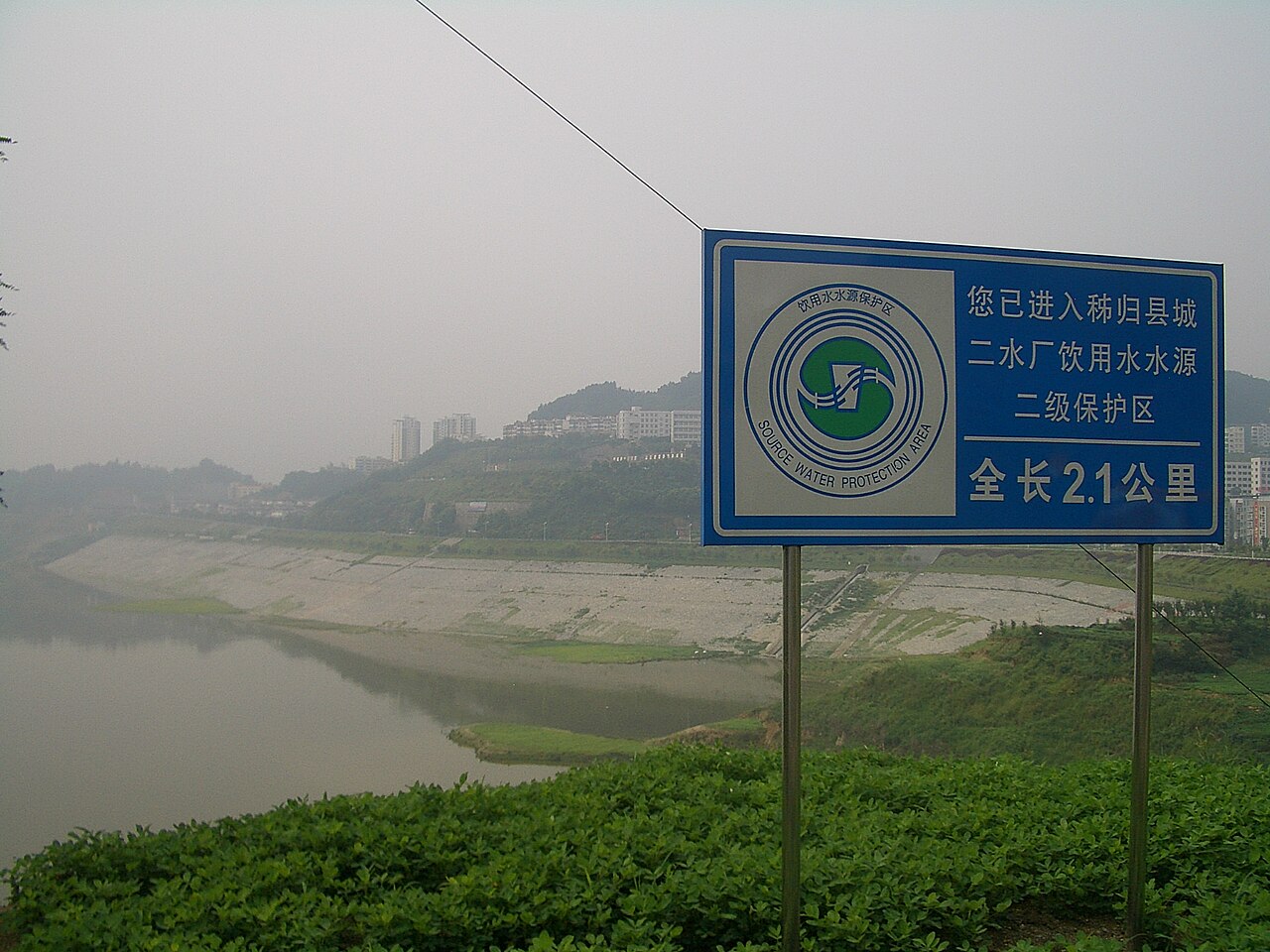
Overview
Parallel to this, Source Water Protection practices are actions taken to prevent contamination of surface and groundwater sources of drinking water [2]. General Protection Practices include conserving wetlands, land use controls, regulations and permits, land conservation, best management practices, public education and outreach, cost share programs, and hazard mitigation [2]. Source-Specific Protection Practices address common sources of contamination including erosion and sediment control, crop agriculture, animal agriculture, septic systems, urbanization and stormwater runoff, chemical storage tanks, forestry, industrial wastewater, and abandoned mines [2]. The Clean Water Act establishes the basic structure for regulating quality standards for surface water and provides tools for source water protection [2]. Source Water Protection is a program area from the US EPA that includes assessing, planning, and protecting source water [3]. The EPA provides a Funding Integration Tool for Source Water (FITS) that explains how to integrate various federal funding sources to support source water protection activities [3]. The Drinking Water State Revolving Fund provides eligibilities for source water protection under America's Water Infrastructure Act of 2018 [3]. The Drinking Water Mapping Application to Protect Source Waters (DWMAPS) is an online mapping tool that helps state and utility drinking water professionals update their source water assessments and protection plans [3].
Legal Foundations and International Frameworks
Source protection functions as a cornerstone of press freedom, enabling the flow of information that serves the public interest. In many jurisdictions, shield laws statutorily protect journalists from compelled disclosure, while in others the protection arises from constitutional interpretations or international human rights standards. The underlying principle remains consistent: anonymity encourages whistleblowers and insiders to expose corruption, fraud, or danger that would otherwise remain hidden. Without such guarantees, the chilling effect on potential sources would diminish the public's right to know.
The dynamic between source protection and governmental authority often plays out in court. Journalists may resist subpoenas for source identities, invoking privilege claims that weigh the public interest in the disclosure against the potential harm to the source's privacy and safety. These legal battles shape the evolving boundaries of the reporter's privilege across different legal systems.
Threats to Source Anonymity in the Digital Age
While legal frameworks provide protections, the methods used to uncover sources have evolved. Third parties can hack electronic communications or otherwise spy on interactions between journalists and their sources, undermining the expectation of confidentiality. This technological vulnerability has led news organizations to adopt secure communication practices, including encryption and secure drop platforms, to mitigate the risk of digital surveillance.
Government agencies' covert access to private communications represents another significant threat. News media and their sources have expressed concern over such overreach, arguing that warrantless surveillance erodes the trust essential for confidential reporting. Legal challenges continue to address the balance between national security interests and the protection of journalistic sources.
Source Water Protection Practices
Source Water Protection encompasses a broad set of practices aimed at safeguarding drinking water supplies at their origin. General Protection Practices focus on landscape-level interventions such as conserving wetlands, implementing land use controls, and regulating permits to prevent pollution at the source. These proactive measures form the first line of defense against contamination.
Source-Specific Protection Practices target identified risks, including erosion and sediment control from land disturbance, runoff from crop and animal agriculture, failures of septic systems, and the impacts of urbanization and stormwater runoff. Additional practices address chemical storage tanks, forestry operations, industrial wastewater discharges, and the remediation of abandoned mines, each requiring tailored approaches to mitigate specific contamination pathways.
The regulatory foundation for these efforts in the United States rests on the Clean Water Act, which establishes the basic structure for regulating quality standards for surface water and provides the statutory tools employed in source water protection programs. This legislation authorizes the development of water quality standards and pollution control programs that states implement to protect drinking water sources.
EPA Programs and Funding Mechanisms
At the federal level, the U.S. Environmental Protection Agency administers Source Water Protection as a dedicated program area. The program's scope includes assessing vulnerable sources, developing protection plans, and implementing measures to reduce contamination risks. The EPA has developed practical tools to support these efforts, most notably the Funding Integration Tool for Source Water (FITS), which guides practitioners in integrating various federal funding streams to finance protection activities.
Financial support for source water projects comes through mechanisms like the Drinking Water State Revolving Fund, which provides eligibilities for source water protection activities authorized under the America's Water Infrastructure Act of 2018. This funding source enables states and utilities to invest in infrastructure and planning improvements that protect public water supplies.
Geographic information systems also play a role in modern source water protection. The Drinking Water Mapping Application to Protect Source Waters (DWMAPS) is an online mapping tool that allows state and utility drinking water professionals to update source water assessments and protection plans. By visualizing potential contamination risks and existing infrastructure, DWMAPS supports data-driven decision-making for source water safeguards.
Cybersecurity Considerations for Protectors
The November 2026 update to Microsoft Security introduced Dynamic Permissions, a framework for agent authority control that adapts access as risk changes. Dynamic Permissions provides agents task-scoped authority and adapts access as risk changes, with Dynamic Agent Risk assessing whether authority aligns with changing behavior and context. This mechanism ensures that digital agents operate with the minimum necessary privileges, reducing the attack surface for malicious actors.
Complementary to Dynamic Permissions, Dynamic Conditional Access can respond proportionately by narrowing permissions, restricting access to resources, or requiring human approval for higher-impact actions. Together, these capabilities represent a shift toward adaptive security models that adjust protections in real-time based on assessed risk, a principle that applies equally to protecting journalistic communications and securing water infrastructure control systems.
Comparative Analysis: Information vs. Resource Protection
The parallel between source protection in journalism and source water protection reveals a shared underlying logic: both systems rely on guarantees of confidentiality or safety to enable the flow of critical information. Journalists need assurance that their sources will not be exposed to retaliation, while water systems need protection from contamination that would deprive the public of safe drinking water. In both cases, the health of the broader society depends on these intermediate layers of protection functioning effectively.
However, the mechanisms differ significantly. Source protection for journalists operates primarily through legal privileges and institutional norms, with technological tools serving as supplementary safeguards. Source water protection relies on a combination of regulatory frameworks, engineering practices, and financial incentives administered by governmental agencies. The threat models also differ: journalistic sources face risks of legal exposure or physical harm, while water sources face contamination from agricultural, industrial, and urban sources that require engineered mitigation.