
Overview: The $3.2 Trillion Tech Sell-off
On Thursday, US tech stocks suffered a major rout on Wall Street that quickly extended to Asia and Europe, with the Nasdaq falling 5.5% and the S&P 500 dropping 4.4% [1]. The sell-off erased more than $3.2 trillion (£2.4 trillion) from the value of the US stock market in a single day, a loss exceeding the annual output of the Canadian economy [1]. Investors attributed the trigger to the US midterm election results, which saw a Democratic sweep that raised concerns about tighter control of AI and datacentre construction [1].
Market Reaction and Immediate Aftermath
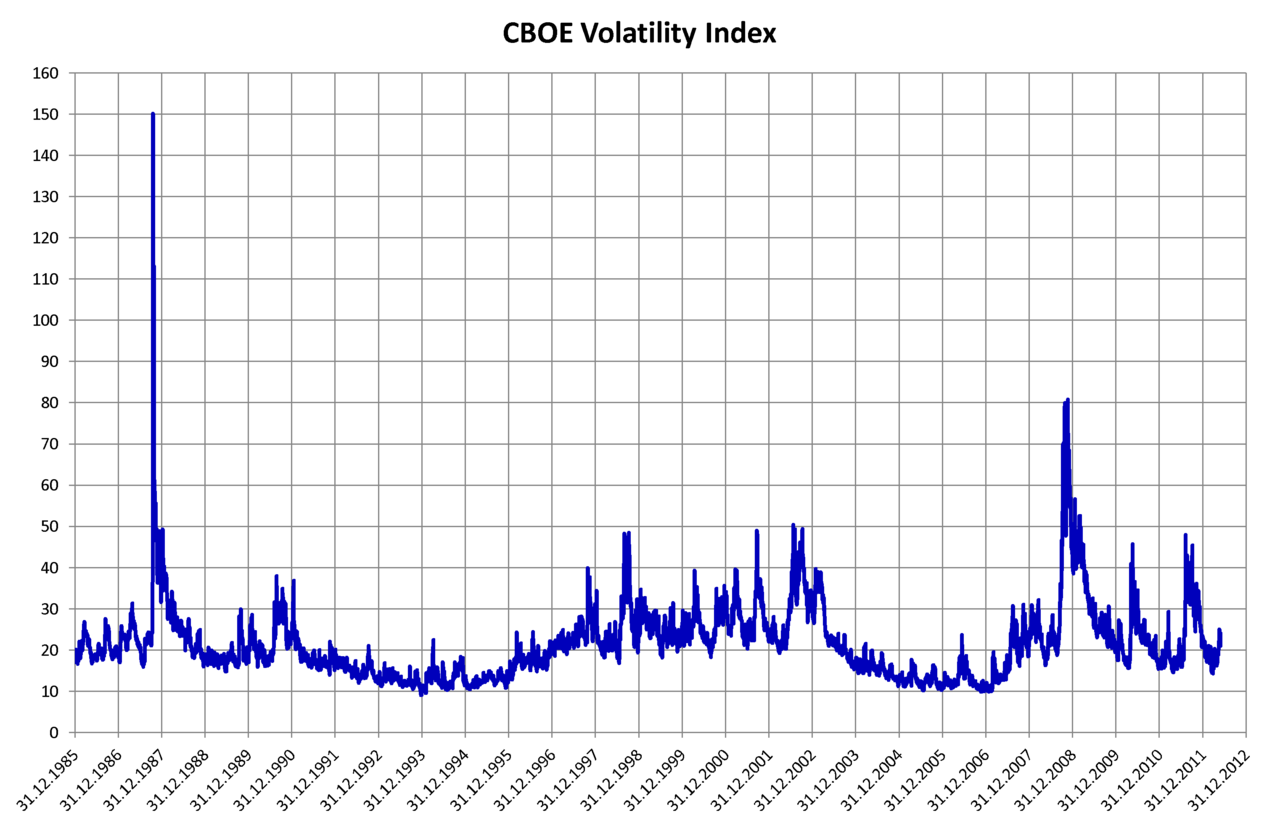
Global financial markets were thrown into a tailspin as investors bet on an AI slowdown following the election outcome [1]. US markets rebounded after trading reopened in New York but failed to recover all of the lost ground, amid lingering concerns of a relapse in selling pressure [1]. Stock market volatility surged as the AI trade weakened and the Nasdaq 100 slid [3].
Investor Sentiment and Options Trading
Investors braced for more volatility ahead following the stomach-churning selloff that rocked equities [3]. The selloff has options traders girding for more volatility ahead, reflecting heightened uncertainty in the market [3].
Background: The AI Bubble and Valuation Concerns
AI Stocks and Market Expectations
The sell-off was precipitated by investors betting on an AI slowdown after the US midterm elections [1]. This suggests that a significant portion of market valuation was built on expectations of continued artificial intelligence growth and infrastructure expansion [1].
Political Implications for Tech Infrastructure
Democrats' sweeping US midterm election victory is attributed as the trigger for the sell-off, with investors predicting tighter control of AI and datacentre construction [1]. This indicates that the political shift raised questions about regulatory oversight of the technology sector.
Historical Context of Tech Corrections
While not explicitly detailed in the sources, the current volatility reflects broader patterns where tech sector sentiment shifts rapidly in response to political and economic developments [1][3].
Timeline: Thursday's Market Chaos
Opening Session on Wall Street
The US tech stock rout began on Thursday with significant declines in major indices [1]. The Nasdaq composite fell 5.5% and the S&P 500 dropped 4.4%, marking a substantial sell-off in technology stocks [1].
Global Spread to Asia and Europe
The impact of the US sell-off quickly extended beyond domestic markets, with declines reaching Asia and Europe [1]. The contagion effect demonstrated the interconnected nature of global financial markets [1].
Afternoon Recovery and Closing
US markets rebounded after trading reopened in New York but failed to recover all of the lost ground, amid lingering concerns of a relapse in selling pressure [1]. The partial recovery reflected both technical buying and ongoing uncertainty [1].
Mechanics: How Volatility Surges Occur
Price Discovery and Trading Mechanisms
Stock market volatility surged as AI trade weakened and the Nasdaq 100 slid [3]. This movement illustrates how algorithmic and high-frequency trading can amplify price movements when sentiment shifts [3].
Risk Management and Options Trading
The selloff that rocked equities has options traders girding for more volatility ahead [3]. Options market activity increased as traders adjusted positions to hedge against further declines [3].
Market Breadth and Sector Rotation
The technology-heavy Nasdaq experienced disproportionate declines compared to broader market indices [1][3]. This sector rotation reflects investor reallocation away from growth stocks toward more value-oriented positions [1][3].
Reception: Market Analyst Perspectives
Mainstream Financial Press
The Guardian's coverage framed the event as a potential AI bubble bursting question, with the headline "US tech stock rout: is the AI bubble bursting?" [1]. This characterization suggests the sell-off may represent a correction in overvalued AI-related stocks [1].
Bloomberg's Analysis
Bloomberg reported that stock market volatility surged as the AI trade weakened [3]. Their analysis likely examined the technical factors and trader positioning behind the surge [3].
Independent Commentary
Market observers noted the unusual speed with which the sell-off spread from US markets to Asia and Europe [1]. The global dimension of the volatility highlighted increased market interdependence [1].
Significance: Long-term Implications
Economic Impact Assessment
More than $3.2tn (£2.4tn) was wiped from the value of the US stock market on Thursday, bigger than the annual output of the Canadian economy [1]. This massive wealth destruction in a single session underscores the sector's importance to the broader economy [1].
AI Industry Trajectory
The sell-off triggered by investor concerns about an AI slowdown following the midterm elections [1] may influence future investment patterns in the sector [1]. Companies heavily exposed to AI infrastructure spending may face heightened scrutiny [1].
Political-Market Connection
The attribution of the sell-off trigger to US midterm election results [1] demonstrates the sensitivity of financial markets to political developments [1]. Investors appear to be parsing election outcomes for implications on sector-specific policies [1].
Comparative Context: Historical Volatility Events
Previous Tech Corrections
While the sources focus on this specific event, tech sector corrections have occurred periodically throughout market history [1][3]. The current episode shares characteristics of rapid sentiment-driven selling [1][3].
Geographic Spread of Volatility
The extension of the US tech rout to Asia and Europe [1] is notable compared to previous periods where US-centric events had more limited global impact [1]. This reflects increased financial globalization [1].
Scale Comparison
The $3.2 trillion single-day loss [1] represents one of the largest one-day market capitalization declines in recent memory [1]. For context, such losses typically prompt significant market reassessment [1].
Risk Factors and Investor Caution
Election Uncertainty
Investors bet on an AI slowdown after the US midterm elections, which triggered the sell-off [1]. This suggests that election outcomes are now being factored into sector-specific investment decisions [1].
Sustained Volatility Expectations
Investors braced for more volatility ahead following the stomach-churning selloff that rocked equities [3]. The market appears to be pricing in continued uncertainty [3].
Portfolio Rebalancing
The need for options traders to gird for more volatility ahead [3] indicates that portfolio managers are reassessing risk exposure [3]. This rebalancing may affect broader market dynamics [3].
Future Outlook and Monitoring
Monitoring AI Sector Developments
Given the connection between the sell-off and AI growth concerns [1], market participants will likely monitor AI company earnings and guidance closely [1]. Any further political developments related to technology regulation may trigger similar reactions [1].
Market Stabilization Factors
The partial recovery in US markets after reopening [1] suggests that some stabilization is possible as the initial shock dissipates [1]. However, lingering concerns may keep volatility elevated [1].
Broader Economic Implications
With over $3.2 trillion wiped from US markets [1], the event's ripple effects may affect consumer wealth, business investment, and economic growth forecasts [1]. The full impact will unfold over coming weeks and months [1].