
Overview and Definition
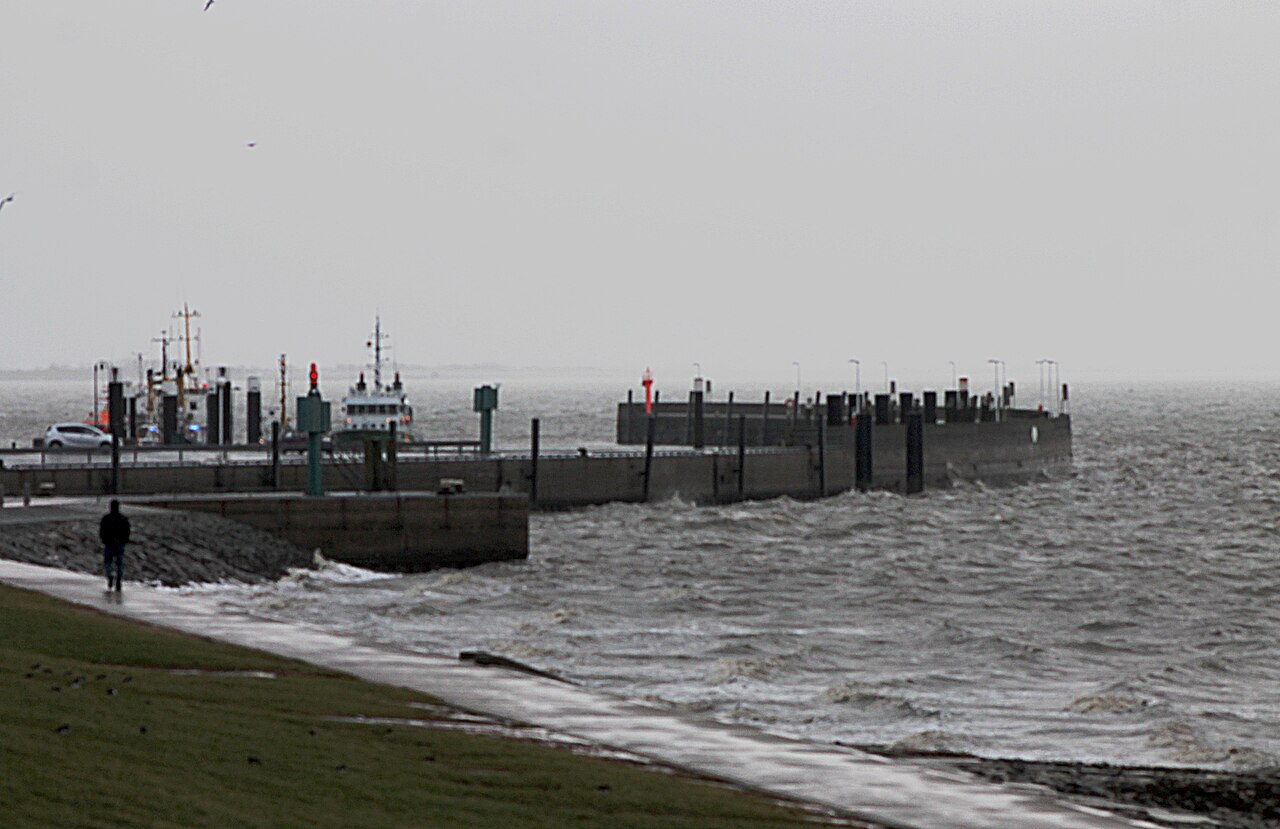
Storm surge is an abnormal water level rise generated by a storm over and above the predicted astronomical tide [1]. It differs from storm tide, which combines storm surge with the regular astronomical tide [1]. This distinction matters for flood forecasting and emergency alerts along vulnerable coastlines [1].
Storm Surge versus Storm Tide
While storm surge refers to the wind-driven rise, storm tide accounts for the total water level when surge and tide coincide [1]. The combination can elevate water levels well beyond surge alone, especially during high tide [1].
Primary Threat and Fatality Data
Storm surge from tropical cyclones poses a significant threat to life and property and is currently the leading cause of fatalities from hurricanes [1]. Hurricane Ian (2022) attributed 41 lives lost, underscoring the deadly potential of surge-driven flooding [1].
How Storm Surges Form
Storm surge is primarily caused by the strong onshore winds of a hurricane or tropical storm [1]. These winds push water toward the shore, while the wind circulation around the eye of a hurricane causes a vertical circulation in the ocean [1]. This dynamic lifts water and sets it in motion toward the coast.
Wind-Driven Push and Coastal Geometry
Once the storm reaches shallower waters near the coast, the vertical circulation is disrupted by the ocean bottom, causing water to move upward and inland [1]. The shape and characteristics of the coastline amplify or dampen this effect, determining how far inland surge penetrates.
Storm Size and Forward Speed
The maximum amount of storm surge for a particular location depends on several factors including storm intensity, forward speed, size (radius of maximum winds), angle of approach to the coast, and the shape and characteristics of the coastline [1]. A faster storm will produce a higher surge at the immediate coastline, while a slower storm will produce a surge that penetrates farther inland [1].
Factors Governing Surge Height
Storm surge height is not determined by wind speed alone. Stronger winds will produce a higher storm surge [1], but forward speed and size also play critical roles. A fast-moving storm may deliver a sharp, limited surge, whereas a large, slow-moving system can generate prolonged flooding across a broad area [1].
Coastal Shape and Bathymetry
The angle of approach to the coast and the shape of the coastline significantly influence surge distribution. Concave coastlines tend to funnel and amplify water, while convex shapes may disperse it. Bathymetry, or the underwater topography, controls how quickly water depth decreases and how far inland surge travels [1].
River and Canal Backflow
Storm surge can travel up rivers and canals, reaching well inland from the coastline [1]. This backflow occurs when surge water pushes against river flow, flooding areas that are not directly on the open coast but connect to the sea via waterways.
Historical Event: Hurricane Ian (2022)
Hurricane Ian (2022) exemplifies the destructive potential of storm surge. The impacts from Hurricane Ian (2022) attributed 41 lives lost, making it one of the deadliest recent U.S. hurricane events [1]. The storm's intensity, size, and forward speed combined to produce catastrophic surge flooding across southwest Florida.
Storm Tide Peaks and Flooding
In some locations, storm tide reached up to 20 feet or more when surge coincided with normal high tide [1]. These extreme water levels overwhelmed barriers, inundated homes, and disabled critical infrastructure, demonstrating the compounding effect of surge and tide.
Lessons for Emergency Response
The fatality count from Ian highlights that storm surge is the leading cause of hurricane-related deaths [1]. Evacuation orders must account for surge timing, not just wind hazards. Post-event analyses from Ian will inform future modeling of surge penetration in similar storm configurations.
Geographic Vulnerability Along U.S. Coasts
All locations along the U.S. East and Gulf coasts are vulnerable to storm surges [1]. No coastal community is immune, though risk varies with local geography, infrastructure, and storm track.
East Coast versus Gulf Coast Risk Profiles
The Gulf Coast often experiences higher surge potential due to its shallow, gently sloping continental shelf, which allows water to accumulate and push farther inland [1]. The East Coast faces diverse risks, from Florida's peninsula shape to the narrower inlets of the Mid-Atlantic, each responding differently to identical storm parameters [1].
Inland Penetration via Waterways
Because surge can travel up rivers and canals, communities dozens of miles from the coast face flooding risk [1]. This inland reach means that emergency planning must include upstream monitoring and evacuation routes far from the shoreline.
Measurement and Prediction Challenges
Storm surge is measured as the rise in water level above the normal tidal level, and does not include waves [4]. This metric isolates the wind-driven component from wave action, providing a clearer picture of flood risk from surge alone.
Forecasting Models and Uncertainty
Numerical models predict surge by integrating storm parameters with coastal bathymetry and topography. However, small changes in forward speed or angle of approach can shift peak surge locations by tens of miles, highlighting the difficulty of precise coastal forecasting [1].
Tide Timing and Compound Flooding
The coincidence of surge with high tide produces the highest storm tides [1]. Forecasts must therefore synchronize surge predictions with tidal cycles; a moderate surge arriving at high tide can cause greater flooding than a larger surge at low tide.
Climate Change and Rising Sea Levels
Background sea level rise elevates the baseline against which storm surge occurs, meaning that storms of a given intensity can produce higher absolute water levels than in the past [1]. This trend amplifies flood depth and inland reach even if storm dynamics remain unchanged.
Increased Frequency of Extreme Surge Events
As sea levels rise, what was once a rare 20-foot storm tide becomes more common [1]. This shifts risk profiles for coastal development and infrastructure, requiring updated building codes and floodplain maps.
Storms Intensity Trends
While the relationship between climate change and hurricane frequency is still studied, there is evidence that a warming climate may produce storms with higher peak intensities [1]. Stronger storms generate stronger winds, which in turn produce higher storm surges, creating a compounding risk layer.
Preparedness, Mitigation, and Policy
Effective preparedness requires understanding that storm surge is the leading cause of hurricane fatalities [1]. Public education campaigns must emphasize evacuation timing, structural resilience, and the distinction between wind and water hazards.
Infrastructure and Building Resilience
Coastal construction standards increasingly account for surge heights. Elevated foundations, flood-resistant materials, and barriers designed for 20-foot-plus storm tides reduce damage [1]. Retrofitting existing structures offers a partial mitigation path.
Policy and Land-Use Planning
Zoning regulations that restrict development in high-surge zones reduce long-term risk [1]. Comprehensive coastal management plans must integrate surge modeling, sea-level rise projections, and community evacuation capacity.
Key Takeaways and Significance
Storm surge represents the most dangerous aspect of tropical cyclone hazards, responsible for the majority of hurricane-related deaths [1]. Its formation depends on a complex interaction of storm dynamics, coastal geography, and tidal timing.
Why the Ian Case Matters
Hurricane Ian's 41 fatalities and extreme storm tides illustrate how quickly surge can overwhelm communities [1]. The event serves as a benchmark for evaluating forecast improvements and mitigation strategies.
Future Outlook
With rising seas and potentially more intense storms, the baseline risk from storm surge is increasing [1]. Continuous investment in modeling, infrastructure, and public awareness is essential to reduce future loss of life and property.