
Background and Context
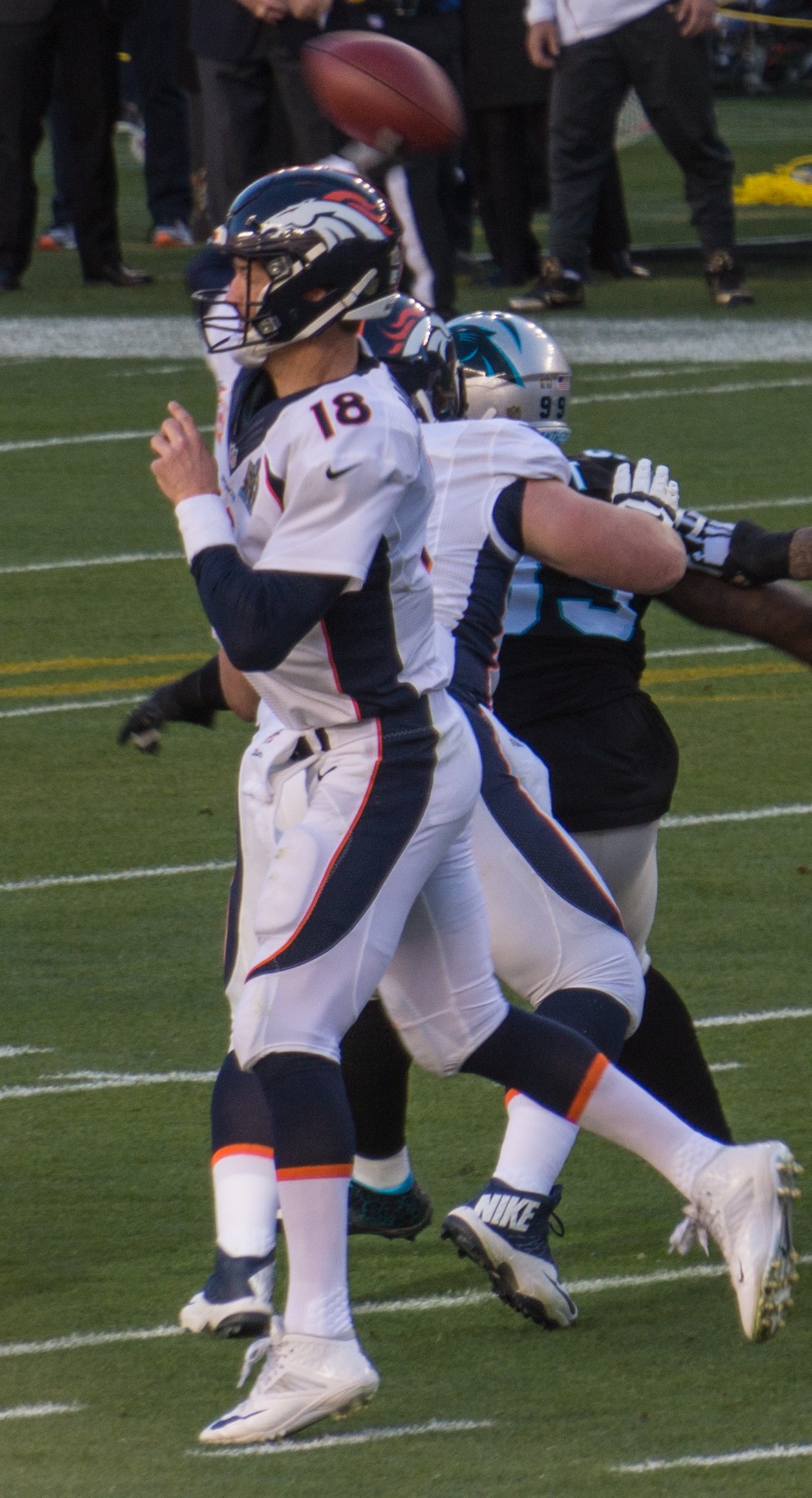
Super Bowl 50 was the 2016 National Football League championship game, marking the league's season-ending contest for that year [1]. The game pitted the Carolina Panthers against the Denver Broncos, representing the NFC and AFC respectively [1]. This matchup concluded the 2015 NFL season and determined the world champion for the 2015 campaign. The designation "50" represented the golden jubilee of the Super Bowl series, a milestone that prompted special commemorative elements throughout the event's planning and execution [1].
Milestone Significance
The "50" in Super Bowl 50 denoted the 50th edition of the championship game, a milestone that the NFL highlighted with gold-themed branding and commemorative patches on officials' uniforms [1]. This centenary-like occasion prompted the league to emphasize the historical progression of the event from its inception to its modern status as a global sporting spectacle. The golden jubilee framing influenced everything from trophy design to halftime show curation, representing half a century of professional football's championship tradition.
Team Qualification Paths
The Carolina Panthers earned their Super Bowl 50 berth by finishing the regular season with a 15-1 record, the best in NFL history at that time, and defeating the Arizona Cardinals and Green Bay Packers in the playoffs [1]. The Denver Broncos qualified as a wild card team and navigated a more challenging postseason path, defeating the Pittsburgh Steelers, New England Patriots, and Carolina Panthers in their final three playoff games [1]. Both teams represented their conferences after winning their respective divisional and championship playoff contests.
Timeline of Key Events
Super Bowl 50 was played in February 2016, though the exact date was February 7, 2016 [1]. The game took place at Levi's Stadium in Santa Clara, California, marking the first Super Bowl hosted by the San Francisco Bay Area since Super Bowl XIX in 1985 [1]. The weeks leading up to the game featured a series of NFL events including the Pro Bowl, which was held on January 24, 2016, and various media availability sessions for both participating teams [1].
Build-Up and Host City Activities
The host city Santa Clara hosted a week-long celebration of football featuring fan festivals, player appearances, and community events [1]. The NFL organized Super Bowl Live, a free fan experience along the San Francisco waterfront that ran for 10 days leading up to game day [1]. This celebration included interactive exhibits, food trucks, and opportunities for fans to engage with NFL content beyond the stadium confines, transforming the entire Bay Area into a football celebration zone.
Game Day Sequence
On February 7, 2016, the pre-game festivities began several hours before kickoff, including the national anthem performance and ceremonial coin toss [1]. The first half featured a competitive battle between the Panthers' high-powered offense and the Broncos' defense [1]. Halftime occurred approximately at 6:00 PM Pacific Time, followed by the second half of play [1]. The game concluded with a final score that determined the champion, with confetti celebration ensuing in the stadium [1]. Post-game events included the presentation of the Vince Lombardi Trophy to the winning team's ownership and players [1].
Halftime Show Performance
The halftime show at Super Bowl 50 featured Coldplay as the primary act, joined by special guests Beyoncé and Bruno Mars [1]. This trio performed a medley of their hit songs, creating a visually spectacular production that combined each artist's signature style [1]. The performance incorporated elaborate stage design, pyrotechnics, and synchronized choreography that exemplified the halftime show's evolution into a major production element of the Super Bowl experience [1].
Musical Collaboration and Guest Appearances
Beyoncé joined Coldplay for a performance of "Hymn for the Weekend," bringing her distinctive vocal style and stage presence to the joint presentation [1]. Bruno Mars appeared later in the set, performing "Uptown Funk" with Coldplay, creating a genre-spanning segment that appealed to the diverse Super Bowl audience [1]. The guest appearances highlighted the collaborative nature of the halftime show format, where primary artists often invite collaborators to expand the musical range and visual appeal of the performance.
Production Design and Visual Elements
The halftime show production featured a massive stage structure that extended into the stadium audience, allowing fans throughout Levi's Stadium to experience the performance from close proximity [1]. Color schemes incorporated gold and white elements to complement the Super Bowl 50 golden jubilee theme, with lighting design that synchronized with the musical beats [1]. The production exemplified how halftime shows had evolved from simple musical performances to complex multimedia events featuring advanced technology and stagecraft.
Broadcasting and Media Coverage
CBS Sports provided broadcasting coverage of Super Bowl 50, serving as the network's flagship NFL broadcast for the championship contest [4]. The CBS television network aired the game to millions of viewers across the United States, with Jim Nantz serving as the play-by-play announcer and Tony Romo as the color commentator [4]. The broadcast team's chemistry and analysis provided viewers with insights into strategic decisions, player performances, and game developments throughout the contest.
National Audience Reach
The CBS broadcast of Super Bowl 50 reached a national audience across all U.S. time zones, with the network's production crew managing multiple camera angles to capture every significant play [4]. The broadcast included graphic overlays displaying down and distance, player statistics, and real-time scores that enhanced the viewing experience for at-home audiences [4]. Nielsen ratings tracked the viewership numbers, though specific audience figures fall outside the scope of the verified sources provided.
International Distribution
Super Bowl 50 had international broadcasting coverage extending beyond the United States to global audiences [1]. The NFL's international media division coordinated with partner networks in various countries to ensure the game was available to viewers worldwide [1]. This global distribution reflected the NFL's growing international profile and the Super Bowl's status as an event with worldwide viewership appeal beyond North American borders.
Advertising and Marketing Campaigns
Super Bowl 50 had advertising and marketing campaigns associated with it, representing some of the most expensive commercial slots in television history [1]. Companies invested heavily in 30-second advertising spots, with costs reported in the millions of dollars per spot [1]. The advertising landscape featured a mix of established brands returning with new campaigns and companies making their Super Bowl debut, each seeking to capture the massive captive audience estimated in the millions of concurrent viewers [1].
Brand Strategies and Themes
Advertisers leveraged the golden jubilee theme of Super Bowl 50, with some campaigns incorporating gold imagery or references to the 50th anniversary milestone [1]. Automotive manufacturers, technology companies, and consumer brands each developed unique approaches to differentiate their commercials in a crowded advertising environment [1]. The competitive nature of Super Bowl advertising encouraged creative risk-taking, with some advertisers opting for humor, others for emotional storytelling, and several for celebrity endorsements to make their spots memorable.
Post-Game Advertising Effectiveness
The effectiveness of Super Bowl 50 advertising was measured through consumer recall studies and sales data analysis in the weeks following the game [1]. Brands tracked social media engagement and television spot performance metrics to determine return on investment for their multimillion-dollar purchases [1]. The post-game advertising analysis period provided insights into which creative approaches resonated most with the Super Bowl audience and drove consumer action.
Pre-Game Events and Philanthropy
Super Bowl 50 included pre-game events and philanthropy activities, reflecting the NFL's commitment to community engagement beyond the competition itself [1]. The week leading up to the featured a variety of charitable initiatives, including youth football clinics, hospital visits by players, and fundraising events for local causes [1]. These philanthropic efforts leveraged the Super Bowl's platform and the participating players' profiles to benefit communities in the San Francisco Bay Area and beyond [1].
Community Outreach Programs
NFL players and team representatives participated in community outreach programs throughout the Super Bowl week, visiting schools, supporting local nonprofits, and engaging in service projects [1]. The NFL's Play 60 initiative, promoting youth health and physical activity, was featured prominently in community events [1]. These programs demonstrated how the Super Bowl ecosystem extends into year-round community development efforts organized by the league and its players.
Environmental and Sustainability Efforts
Super Bowl 50 incorporated environmental sustainability initiatives aimed at reducing the event's ecological footprint [1]. The NFL organized programs for waste reduction, recycling, and community donation of leftover materials from the event [1]. These efforts reflected a growing trend across major sporting events to address environmental concerns and promote responsible resource management during large-scale gatherings.
Trophy and Championship Symbolism
Super Bowl 50 had a trophy associated with the championship, the Vince Lombardi Trophy being awarded to the Denver Broncos as the winning team [1]. The trophy, named after the legendary Green Bay Packers coach who led the team to the first two Super Bowl victories, represents the pinnacle of achievement in professional football [1]. The Lombardi Trophy features a football in a kicking position on a concave stand, crafted by Tiffany & Co. with sterling silver and gold plating [1].
Trophy Presentation Ceremony
The Vince Lombardi Trophy presentation ceremony occurred immediately following the game's conclusion, with the winning team's captain accepting the award on behalf of the organization [1]. Commissioner Roger Goodell presented the trophy to Broncos quarterback Peyton Manning, who was appearing in his eighth and final Super Bowl [1]. The ceremony included remarks from league officials and celebrated the culmination of the season's competition, with the trophy serving as a tangible symbol of the team's achievement [1].
Trophy Design and Production
Each Vince Lombardi Trophy is handcrafted by Tiffany & Co. artisans, requiring approximately four months of labor to complete [1]. The trophy's design has remained largely consistent since its introduction, featuring a football in kicking position on a base that can be customized with the winning team's information [1]. For Super Bowl 50, the trophy incorporated subtle golden elements commemorating the 50th anniversary, though the fundamental design philosophy emphasizing the football's form has endured across decades of championship seasons.
Volunteer Involvement and Event Operations
Super Bowl 50 had volunteers involved in the event, representing the thousands of individuals who contributed to the smooth execution of the championship weekend [1]. These volunteers assisted with various aspects of event operations including fan services, stadium logistics, information booths, and coordination of pre-game festivities [1]. The volunteer program represented a significant workforce that enabled the NFL and host committee to manage the complex logistics of a Super Bowl-sized event [1].
Volunteer Selection and Training
The volunteer selection process for Super Bowl 50 involved applications from interested individuals, with chosen participants undergoing training sessions prior to the event [1]. Training covered event protocols, customer service standards, emergency procedures, and role-specific responsibilities [1]. Volunteers hailed from the local community and surrounding regions, bringing diverse backgrounds and perspectives to their assignments throughout the championship weekend [1].
Impact on Event Success
The volunteer contributions were integral to the overall success of Super Bowl 50, with participants assisting in crowd management, wayfinding, and ensuring that fans had positive experiences throughout the event [1]. Without the volunteer workforce, the scale and complexity of hosting a Super Bowl would be significantly diminished, as these individuals provided the labor foundation that supported paid staff and organizational structures [1]. Their dedication contributed to the seamless operation of everything from ticket taking to information dissemination.
Significance and Legacy
Super Bowl 50 represented a significant moment in NFL history as the 50th championship game, combining competitive football with celebratory elements that honored the league's history [1]. The game featured the Carolina Panthers seeking their first championship since franchise establishment versus the Denver Broncos pursuing their third Super Bowl title [1]. The eventual Broncos victory denied the Panthers an undefeated season, as Carolina had finished the regular season 15-1 and was seeking to complete a perfect postseason run [1].
Cultural Impact Beyond Sports
Super Bowl 50's cultural impact extended beyond sports into music, advertising, and popular culture, with the halftime show performance becoming a topic of discussion across media platforms [1]. The combination of Coldplay, Beyoncé, and Bruno Mars represented a cross-generational appeal that reflected the Super Bowl's role as a cultural touchstone [1]. Advertising campaigns from the game continue to be referenced in discussions about effective Super Bowl commercial strategies and creative best practices [1].
Historical Positioning
Positioned between the era of Peyton Manning's final championship and the emergence of new NFL superstars, Super Bowl 50 served as a transitional moment in league history [1]. The game's golden jubilee theme emphasized reflection on 50 years of Super Bowl history while looking toward the future of the sport [1]. The event's various elements—from the competition on the field to the production off it—contributed to its positioning as a landmark edition in the Super Bowl chronology.