
Overview
Teslarati serves as a leading news outlet for Tesla enthusiasts, delivering real-time updates on Full Self-Driving software, robotaxi deployments, and hardware revisions. The site's coverage bridges the gap between automotive technology and interactive entertainment, particularly as Tesla vehicles integrate gaming-capable infotainment systems. Recent focus has centered on FSD v15 rollout, the debut of the steering-wheel-less Cybercab, and portable connectivity solutions like Starlink Mini 2, which together redefine how drivers and passengers experience media on the go [1][3].
FSD v15 Release and Reality View
Tesla unveiled Full Self-Driving v15 as a major software milestone, introducing a new "Reality View" interface that replaces traditional instrument clusters with a forward-facing camera feed. The update aims to reduce driver distraction, though some users have noted the view can feel disorienting during early adoption. Musk has indicated he will address the primary complaint, suggesting iterative refinements are already in motion [1].
Beyond the user interface, FSD v15 brings tangible driving improvements such as smoother lane changes, better handling of unprotected turns, and more natural city street navigation. The release notes emphasize a shift toward more human-like driving behavior, marking a departure from the more rigid patterns of previous versions. This evolution signals Tesla's commitment to refining autonomous capabilities through over-the-air updates rather than hardware overhauls [1].
- Smoother lane changes and more natural city navigation
- Reality View interface replacing traditional dash displays
- Musk pledges fix for primary user complaint
- Full release notes detail numerous behind-the-scenes improvements
Cybercab and Steering-Wheel-Less Design
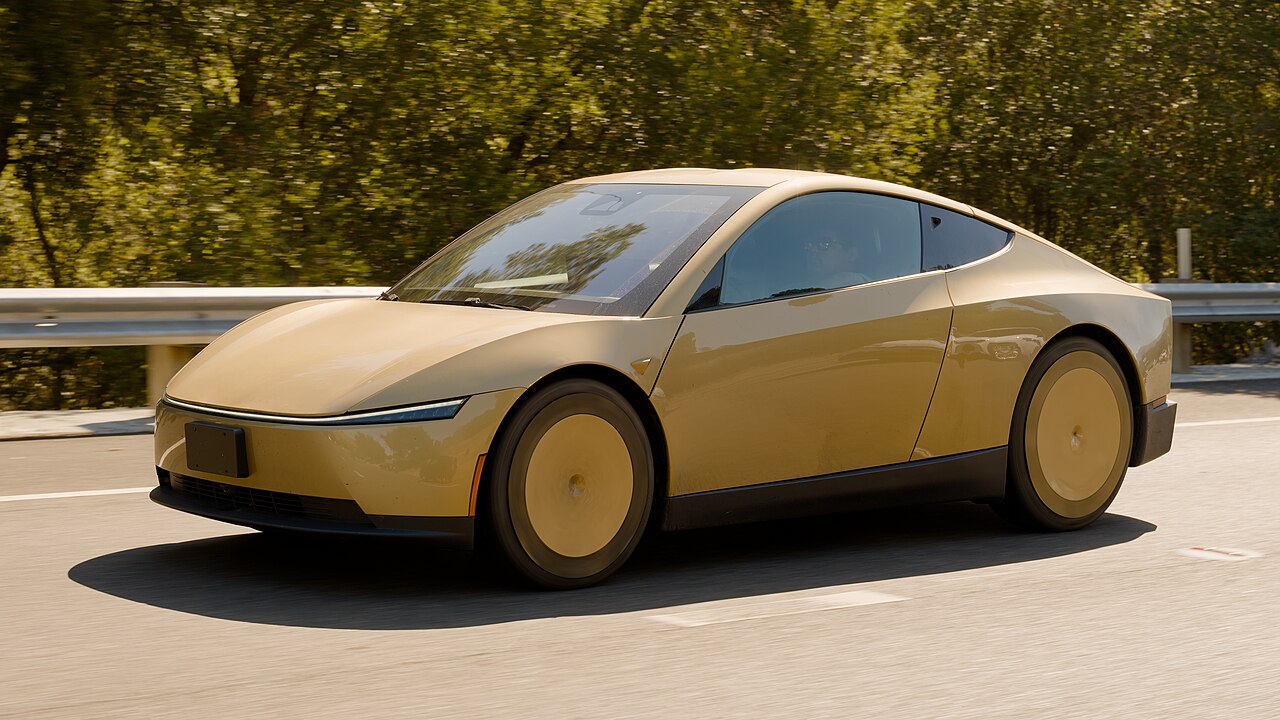
Elon Musk revealed Tesla's next-generation vehicle, the Cybercab, which dispenses with both steering wheel and pedals entirely. The design philosophy centers on full autonomy, assuming the vehicle can operate safely without human intervention. This bold step removes the traditional driver controls that have defined automotive design for over a century [1].
Tesla has expanded public rides for the Cybercab to Dallas, marking one of the largest real-world testing grounds for a steering-wheel-less robotaxi. The expansion follows earlier announcements about autonomy subscription models that would cover insurance, maintenance, and charging in a single monthly fee. By opening rides to the public in a major metropolitan area, Tesla gathers diverse driving data while offering riders a glimpse of future mobility [1].
- Cybercab without steering wheel and pedals
- Public rides expanded to Dallas
- Autonomy subscription model covers all bases
- Largest real-world testing ground for robotaxi design
Starlink Mini 2 and In-Car Connectivity
Teslarati's coverage of Starlink Mini 2 highlights a portable satellite dish designed for true off-grid connectivity. The headline feature is a quick-swap 71 Wh battery that clips to the rear of the dish without tools, delivering up to 4.5 hours of runtime on a single charge. This capability could directly enhance Tesla's in-car entertainment and navigation systems when traveling through remote areas without cellular coverage [3].
The Mini 2 terminal itself weighs 490 grams and includes its own USB‑C port and LED indicators for battery status. Users can charge a spare battery separately and swap it in seconds while staying online, or run the terminal directly from a 60 W power source. Online connection takes roughly 60 seconds, making it one of the fastest-deploying portable satellite dishes on the market [3].
- Quick-swap 71 Wh battery for up to 4.5 hours
- 490‑gram terminal with USB‑C port and LED indicators
- Swap batteries online without disconnecting
- 60‑second online connection time
AI5 Chip and Hardware Strategy
Tesla is reportedly eyeing the AI5 chip as an exclusive trait for its Optimus humanoid robot, marking a distinction between hardware needed for autonomous driving versus general-purpose robotics. The move suggests Tesla is segmenting its silicon roadmap, allocating its most advanced chips to applications outside the vehicle while relying on existing FSD chips for self-driving tasks [1].
This hardware segregation reflects a broader strategic shift: Tesla can optimize its chip production for specific workloads rather than forcing a single architecture across all products. For gamers and tech enthusiasts, the implication is that Tesla's silicon future may influence not just vehicle autonomy but also the performance capabilities of future infotainment and computing platforms inside Tesla vehicles [1].
Assisted Driving Approvals and Global Expansion
Tesla's Assisted Driving (TAD) system has secured regulatory approval in Italy, becoming the 12th European country to authorize the technology. This expansion accelerates Tesla's presence in mature automotive markets where regulatory hurdles have historically slowed FSD deployment. Each new approval opens avenues for over-the-air software updates to reach more customers worldwide [1].
The Italian approval also underscores the growing international acceptance of camera-based driver-assist systems, which rely on vision rather than lidar or radar. As more countries greenlight these systems, Tesla's software ecosystem benefits from broader data collection across diverse climates and road types, potentially accelerating the timeline toward full self-driving capability [1].
Reception and Significance
Teslarati's readership has reacted to the FSD v15 rollout with a mix of enthusiasm for the new Reality View and skepticism about early-day quirks. The site's coverage pattern — emphasizing release dates, user complaints, and Musk's promised fixes — mirrors the broader Tesla community's appetite for real-time software iteration. This dynamic illustrates how Tesla's approach to autonomous driving treats the product as continuously evolving software rather than a static purchase [1].
The intersection of Tesla's hardware pushes — Cybercab, AI5 chip, Starlink Mini 2 — and its software updates creates a compounding effect on how gamers and tech followers perceive the brand. Each new capability, whether a portable satellite dish or a steering-wheel-less robotaxi, expands the ecosystem's relevance beyond traditional automotive boundaries. For the gaming community specifically, the integration of streaming-capable connectivity and in-vehicle entertainment systems represents a nascent but growing frontier [1][3].