
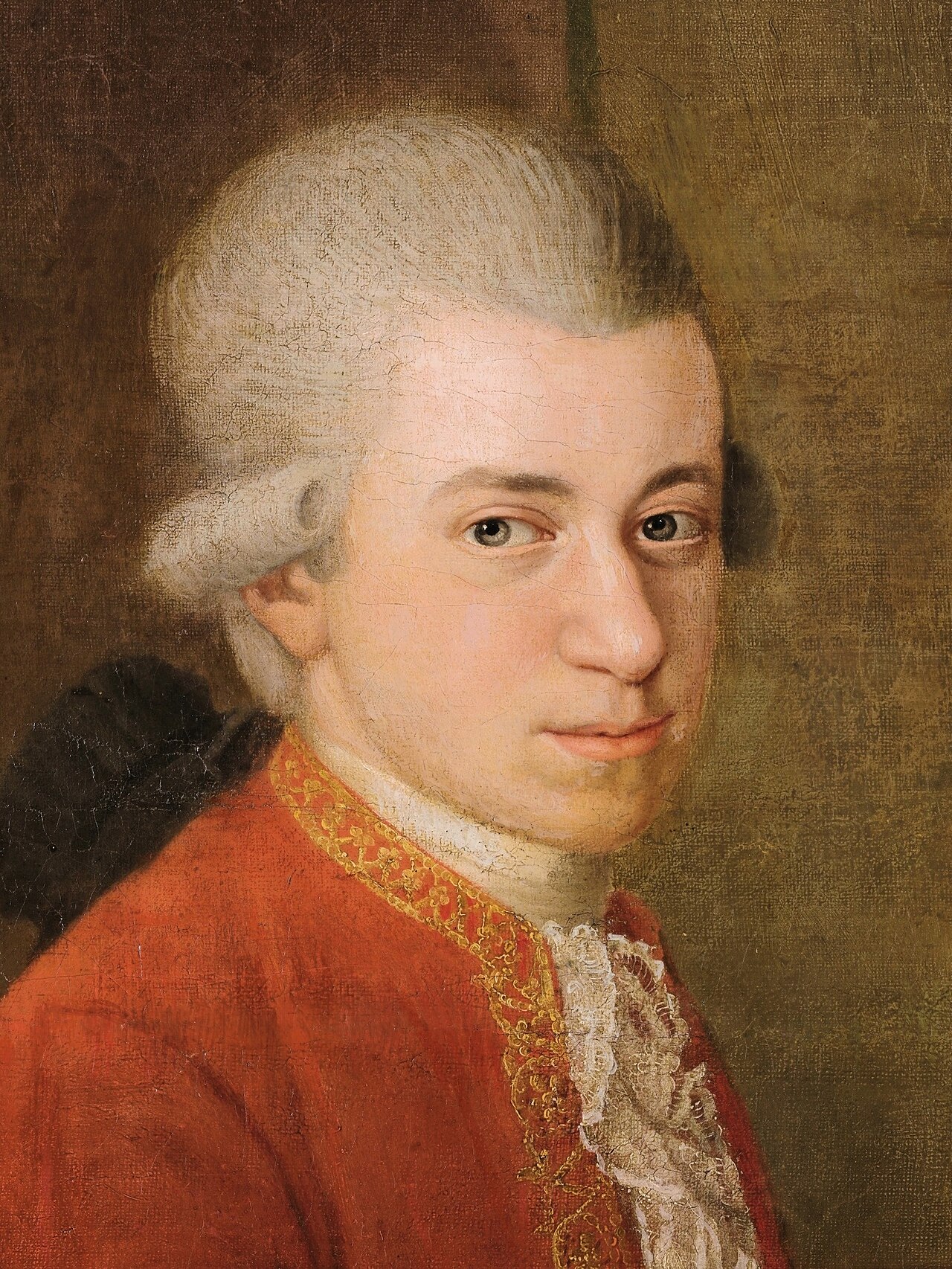
Overview of Mozart's Musical Identity
Wolfgang Amadeus Mozart was fundamentally a Classical composer and musician [1]. His origins place him as an Austrian composer [3, 5]. His full given name was Johannes Chrysostomus Wolfgangus Theophilus Mozart [2, 3]. He displayed prodigious musical talent from a very early age, establishing him as a child prodigy [1, 2, 3, 5]. This early brilliance set the stage for a life of immense musical achievement [1, 3, 5].
Early Life and Birth Details
Mozart's life began on January 27, 1756, in the city of Salzburg [1, 2, 3, 5]. This birthplace marks the start of a trajectory that would define musical history [1, 3, 5]. His formative years were marked by the rapid demonstration of his exceptional musical abilities [1, 2, 3, 5].
A Young Man's Travels and Career Beginnings
As a young man, Mozart engaged in professional musical work across several significant European centers [1, 2, 3]. His career path included time spent in Paris, Mannheim, and Munich [1, 2, 3]. Following these experiences, he eventually returned to his home base in Salzburg [1, 2, 3]. These travels were crucial in shaping his developing compositional style [1, 2, 3].
Professional Movements Across Europe
The movement between cities like Paris and Mannheim provided him with diverse musical influences necessary for his later mastery [1, 2, 3]. His return to Salzburg was a significant point in his career narrative [1, 2, 3]. These early professional engagements illustrate the scope of his early career before his later established life [1, 2, 3].
Defining Characteristics of His Music
Mozart is widely recognized as one of the most significant composers in the history of Western music [1, 3, 5]. His compositional output encompasses several notable works, including *The Marriage of Figaro*, *Don Giovanni*, and *The Magic Flute* [2, 5]. These pieces showcase his versatility across different genres [2, 5].
Key Repertoire Highlights
The works *The Marriage of Figaro*, *Don Giovanni*, and *The Magic Flute* represent major milestones in his artistic career [2, 5]. These operas, among others, solidify his standing as a master of his time [2, 5]. The complexity and brilliance within these pieces are testament to his genius [1, 3, 5].
Personal Life and Relationships
A key personal relationship in his life was with Constanze Weber, who became his spouse [1]. This partnership was part of his personal life during his career [1]. His life spanned a period of considerable artistic output and personal development [1].
Marital Connection
Constanze Weber is cited as his spouse [1]. This relationship existed alongside his demanding professional life as a composer [1]. Details regarding the nature of their life together are limited to the fact of their union [1].
The Final Years and Demise
Mozart concluded his life on December 5, 1791, in Vienna [1, 2, 3, 5]. He passed away at the age of 35 [1, 2, 3, 5]. His life spanned from his birth in 1756 to his death in 1791 [1, 2, 3, 5]. The city of Vienna was the location of his passing [1, 2, 3, 5].
Timeline of Mortality
His death occurred in Vienna on December 5, 1791 [1, 2, 3, 5]. This event marked the end of a remarkably brief but immensely impactful life, beginning on January 27, 1756 [1, 2, 3, 5]. The age at death was 35 years [1, 2, 3, 5].
Context of the Classical Era
As a Classical composer [1], Mozart's work is situated within the broader musical context of the Classical period [1]. His status as an Austrian composer [3, 5] ties him to the cultural milieu of that time [3, 5]. His early talent, evident from his childhood [1, 2, 3, 5], was a hallmark of musical genius during this era [1, 3, 5].
Musical Significance
His recognition as one of the greatest composers in Western music [1, 3, 5] speaks to the enduring quality of his Classical contributions [1, 3, 5]. His career trajectory, moving from Salzburg to international centers [1, 2, 3], reflects the evolving musical landscape of the time [1, 2, 3].
The Scope of His Artistic Development
Mozart's development was not confined to one locale; he worked in Paris, Mannheim, and Munich during his youth [1, 2, 3]. This early international exposure was vital to his artistic growth [1, 2, 3]. Later, he maintained a connection to Salzburg, his birthplace [1, 2, 3].
Progression of Career Locations
The sequence of working in Paris, Mannheim, and Munich as a young man precedes his return to Salzburg [1, 2, 3]. These locations served as important stops in his early career journey [1, 2, 3]. This movement contrasts with his origin in Salzburg [1, 2, 3, 5].
Deeper Dive into Prodigy Status
The designation of child prodigy for Mozart is supported by evidence of his musical talent from a very early age [1, 2, 3, 5]. This early mastery was a defining feature of his life [1, 2, 3, 5]. His rapid development set him apart even in the highly competitive musical world of his time [1, 3, 5].
Early Musical Manifestations
The demonstration of talent from a very early age [1, 2, 3, 5] confirms his status as a prodigy [1, 2, 3, 5]. This early aptitude allowed him to gain experience in various musical settings across Europe [1, 2, 3].
Synthesis of Biographical Data
In summary, Mozart was an Austrian Classical composer [3, 5] born in Salzburg on January 27, 1756 [1, 2, 3, 5]. He lived until December 5, 1791, in Vienna at the age of 35 [1, 2, 3, 5]. His full name was Johannes Chrysostomus Wolfgangus Theophilus Mozart [2, 3]. His legacy includes masterpieces like *The Magic Flute* [2, 5] and his recognition as a musical giant [1, 3, 5].
Key Biographical Markers
His life was characterized by early genius [1, 2, 3, 5] and significant international activity [1, 2, 3]. His spouse was Constanze Weber [1], providing a personal anchor during his prolific career [1].