
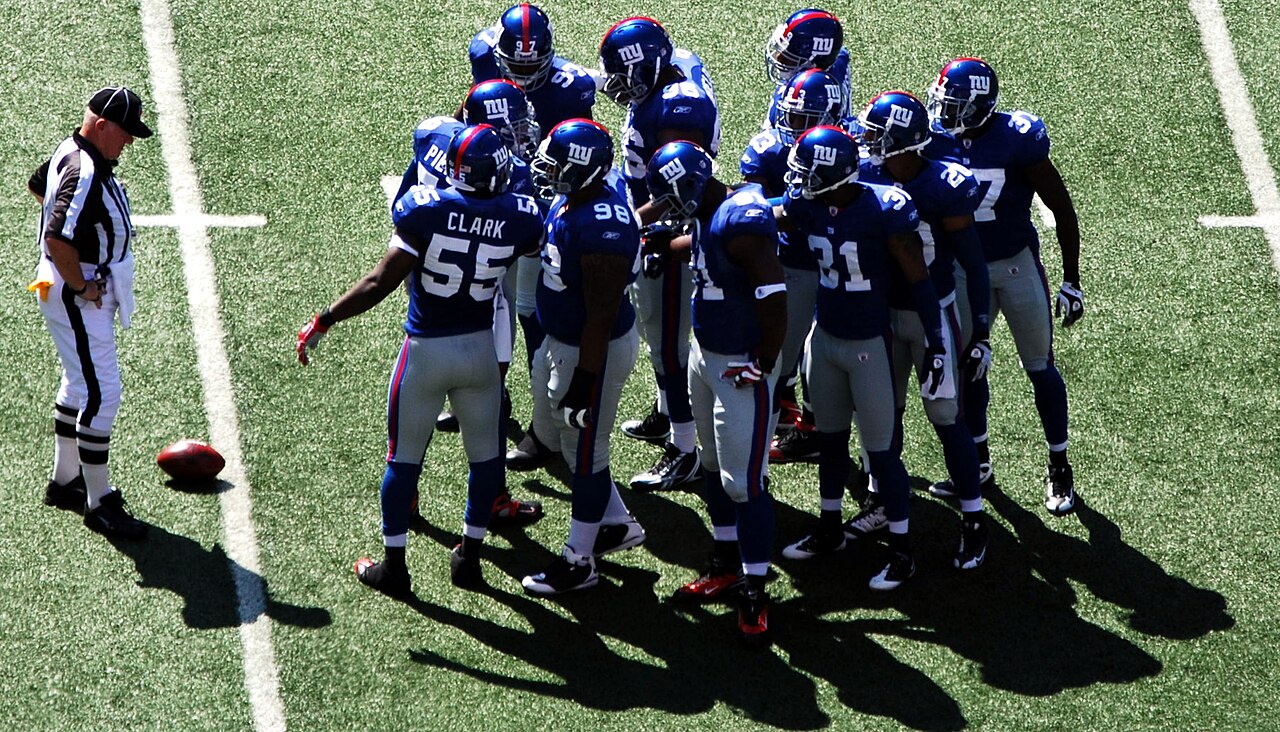
Overview of the Franchise
The New York Giants stand as one of the most recognized franchises in American professional sports. They are an American football team that currently plays in the National Football League (NFL) [1,3]. Specifically, the organization competes within the National Football Conference (NFC) [1,3]. This placement defines their competitive landscape and scheduling structure within the broader league ecosystem. The team's identity is deeply rooted in its long-standing presence in the New York metropolitan area, although its physical location has evolved over the decades to adapt to changing sports infrastructure and market dynamics. As a major league franchise, the Giants represent a significant portion of the NFL's historical narrative and commercial footprint.
Current Operational Base
While the team is historically associated with New York City, the operational base of the franchise is located in East Rutherford, New Jersey [3]. This specific geographic designation is crucial for understanding the team's modern logistical and administrative setup. The move to this New Jersey location reflects broader trends in professional sports where teams often relocate facilities to newer, purpose-built stadiums or complexes that offer enhanced revenue opportunities and fan experiences. The designation as an NFL team in East Rutherford underscores the dual nature of the franchise's identity, bridging the cultural heritage of New York with the practical realities of modern sports management in the neighboring state.
League Standing and Conference
The Giants' participation in the National Football Conference (NFC) is a fundamental aspect of their current competitive structure [1,3]. This conference alignment dictates their regular-season opponents and playoff pathways. Being part of the NFC is a defining characteristic of the team's modern era, influencing everything from broadcast contracts to inter-conference matchups. The stability of this conference placement provides a consistent framework for the franchise's long-term strategic planning and fan engagement efforts.
Founding and Early Origins
The genesis of the New York Giants franchise dates back to the mid-1920s, a period of rapid expansion and consolidation in professional American football. The Giants were founded in 1925 by Tim Mara [1,4]. This founding occurred within the context of a league that was only five years old at the time [1,4]. The National Football League was still in its formative stages, lacking the stability, financial resources, and national prominence it would later achieve. The establishment of the Giants during this nascent phase highlights the risks and opportunities inherent in early professional sports investment.
The Role of Tim Mara
Tim Mara was the central figure in the creation of the franchise. He purchased the New York Giants franchise for a nominal sum of $500 in 1925 [5]. This low acquisition cost reflects the speculative nature of the NFL in its early years, where team values were not yet established by the massive television deals and ticket sales that define the modern league. Mara's decision to invest in the team marked the beginning of a decades-long stewardship that would shape the franchise's identity. His ownership tenure was characterized by a commitment to building a competitive roster and establishing the team's brand in the New York market.
Context of the 1925 NFL
The founding of the Giants in 1925 took place when the National Football League was only five years old [1,4]. This context is vital for understanding the challenges faced by early franchise owners. The league was still developing its rules, scheduling formats, and financial models. Teams frequently changed names, locations, or ceased operations entirely. The fact that the Giants have continued to operate since 1925 makes their longevity a significant achievement in the history of professional sport. The early years required owners like Mara to navigate a volatile environment where the very survival of the league was not guaranteed.
The Mara Era and Ownership
The early decades of the Giants' history are inextricably linked to the ownership of Tim Mara. Mara owned the team from its founding in 1925 until his death in 1959 [1]. This 34-year period of continuous ownership provided a degree of stability and continuity that was rare in the early NFL. During this time, the franchise transitioned from a minor league team to a major professional sports institution. Mara's leadership helped establish the organizational foundations that would allow the team to compete at the highest levels of the sport for decades to come. His tenure is often cited as a foundational era in the franchise's long history.
Longevity of Ownership
Tim Mara's ownership of the Giants spanned from 1925 until his death in 1959 [1]. This extended period of control allowed for consistent strategic decision-making and brand building. In an era where ownership changes were frequent and often disruptive, Mara's long tenure provided a stable anchor for the franchise. It allowed the team to develop a loyal fan base and a distinct identity within the New York sports landscape. The continuity of leadership during these formative years is a key factor in the franchise's ability to maintain its status as a major league contender.
Transition and Legacy
The conclusion of Tim Mara's ownership in 1959 marked the end of an era for the franchise [1]. His death necessitated a transition in leadership, but the organizational structure and cultural values he had established remained intact. The legacy of the Mara era is one of resilience and foundational growth. By maintaining control of the franchise for over three decades, Mara ensured that the Giants were not just a temporary venture but a permanent fixture in professional football. This long-term vision is a critical component of the team's historical significance.
Historical Timeline and Eras
The history of the New York Giants is often divided into distinct eras to better understand the evolution of the franchise. One significant period of study covers the years from 1925 to 1978 [4]. This era encompasses the team's inception and its development through the mid-20th century [4]. The period from 1925 to 1978 covers the American football franchise from the team's inception until the conclusion of their 1978 season [4]. This extensive timeline allows historians and fans to analyze the team's performance, roster changes, and organizational shifts over a half-century span. It provides a comprehensive view of how the Giants adapted to the changing landscape of professional sports.
The 1925-1978 Period
The specific timeframe from 1925 to 1978 is a critical segment of the Giants' history [4]. This period includes the team's early struggles, its rise to prominence, and its establishment as a major NFL franchise. The conclusion of the 1978 season marks a natural endpoint for this historical analysis, as it precedes the subsequent decades of the franchise's development [4]. Studying this era helps to contextualize the team's later achievements and provides a baseline for understanding its current standing. The events and developments during these fifty-three seasons are foundational to the Giants' legacy.
Inception to Modernity
The journey from the team's inception in 1925 to the modern era is a story of growth and adaptation [4]. The franchise has navigated numerous changes in the NFL, including rule modifications, scheduling adjustments, and competitive shifts. The historical record from 1925 to 1978 documents these transitions and the team's response to them [4]. This long-term perspective is essential for appreciating the depth of the Giants' history and the consistency of their presence in the league. It highlights the franchise's ability to endure and evolve over many decades.
Championships and Success
One of the most significant measures of a sports franchise's success is its championship pedigree. The New York Giants have achieved four Super Bowl victories [1]. This record places them among the elite teams in NFL history. The Super Bowl is the culmination of the NFL season and represents the highest level of achievement in professional American football. The Giants' four titles are a testament to their ability to compete at the highest level and to build rosters capable of winning the ultimate prize. These victories are central to the franchise's identity and are celebrated by fans and historians alike.
Super Bowl Victories
The New York Giants have won four Super Bowls [1]. Each victory represents a peak moment in the franchise's history and a source of immense pride for the organization and its supporters. These championships are a key part of the team's narrative and are often highlighted in discussions of the franchise's legacy. The ability to win multiple Super Bowls indicates sustained excellence and organizational depth. The Giants' four titles are a significant component of their historical record and contribute to their status as a major NFL franchise.
Significance of Titles
Championships play a crucial role in defining a sports franchise's legacy. For the New York Giants, their four Super Bowl victories [1] are a major part of their historical narrative. These wins are not just statistical achievements but are also cultural milestones that resonate with fans. They provide a sense of continuity and success that spans different eras of the team's history. The significance of these titles extends beyond the field, influencing the franchise's marketability and fan engagement. They are a key factor in the Giants' enduring popularity.
Modern Era and Current Season
The New York Giants continue to be an active and prominent team in the National Football League. The 2026 season is the New York Giants' 102nd in the National Football League (NFL) [2]. This milestone highlights the franchise's longevity and its continuous presence in the league for over a century. The 102nd season is a significant marker in the team's history, reflecting its ability to adapt and remain competitive in a rapidly evolving sports landscape. The modern era of the Giants is characterized by ongoing efforts to maintain their status as a top-tier franchise in the NFL.
The 102nd Season
The 2026 season marks the New York Giants' 102nd year in the NFL [2]. This is a notable milestone that underscores the franchise's long history and stability. Reaching the 102nd season is a testament to the team's resilience and ability to navigate the challenges of professional sports. It also provides a context for understanding the current state of the franchise in relation to its past. The 102nd season is a continuation of the team's ongoing journey in the league and a reflection of its enduring legacy.
Continuity and Evolution
The transition from the early years to the 102nd season illustrates the Giants' ability to evolve while maintaining their core identity [2]. The franchise has undergone numerous changes in personnel, strategy, and infrastructure, but it has remained a constant presence in the NFL. This continuity is a key aspect of the team's history and a source of pride for its fans. The modern era is characterized by a focus on maintaining competitive excellence and engaging with a new generation of fans. The 102nd season is a reflection of this ongoing commitment to the franchise's legacy.
Geographic and Cultural Identity
The New York Giants have a unique geographic and cultural identity that is closely tied to the New York metropolitan area. The team is an NFL team in East Rutherford, New Jersey [3]. This location is significant because it places the franchise in a major sports market with a large and passionate fan base. The cultural identity of the Giants is shaped by its connection to New York, a city known for its sports heritage and competitive spirit. The team's presence in this region contributes to its status as a major franchise in the NFL.
New Jersey Base
The Giants' operational base in East Rutherford, New Jersey [3] is a key aspect of their modern identity. This location allows the team to take advantage of the resources and opportunities available in the New Jersey sports market. It also provides a practical solution for hosting games and managing the team's logistics. The choice of East Rutherford as the team's base reflects a strategic decision to optimize the franchise's operations and fan engagement. This geographic placement is a significant factor in the team's current standing.
New York Heritage
Despite its base in New Jersey, the Giants maintain a strong connection to New York [3]. This heritage is a crucial part of the franchise's identity and a source of pride for its fans. The team's name and history are deeply rooted in the New York sports culture, which is known for its intensity and passion. This connection helps to sustain the team's popularity and ensures that it remains a relevant and exciting part of the sports landscape. The New York heritage is a key element of the Giants' brand and a major factor in its enduring appeal.
Organizational Structure and Stability
The organizational structure of the New York Giants has been a key factor in its long-term success. The franchise has maintained a stable and consistent structure over the decades, allowing it to adapt to changing circumstances in the NFL. This stability is reflected in the team's ability to maintain its presence in the league for over a century. The organizational structure of the Giants is designed to support competitive excellence and fan engagement, ensuring that the franchise remains a top-tier team in the NFL.
Stability and Adaptation
The Giants' organizational structure has allowed it to adapt to the evolving landscape of professional football [1,2]. This adaptability is a key aspect of the team's success and a major factor in its longevity. The franchise has been able to navigate changes in rules, scheduling, and competition while maintaining its core identity. This stability and adaptability are essential for a team that has been in the league for over 100 years. The organizational structure of the Giants is a testament to its ability to endure and thrive in a competitive environment.
Long-Term Planning
The long-term planning of the New York Giants has been a key factor in its success [1,2]. The franchise has a history of making strategic decisions that support its long-term goals and ensure its continued presence in the NFL. This planning is reflected in the team's ability to maintain its status as a major franchise and to compete at the highest level. The long-term planning of the Giants is a key aspect of its organizational structure and a major factor in its enduring legacy.
Reception and Legacy
The New York Giants have a significant legacy in the history of American football. The franchise is recognized for its longevity, its championship success, and its cultural impact. The team's history is a source of pride for its fans and a major part of the NFL's narrative. The Giants' legacy is shaped by its ability to maintain its status as a top-tier franchise and to compete at the highest level. This legacy is a key factor in the team's enduring popularity and a major aspect of its identity.
Cultural Impact
The New York Giants have had a significant cultural impact on the sports landscape [1,3]. The team's presence in the New York metropolitan area has made it a major part of the region's sports culture. The Giants' history and achievements are celebrated by fans and historians alike, and the team's legacy is a key part of the NFL's narrative. This cultural impact is a major factor in the team's enduring popularity and a significant aspect of its identity.
Historical Significance
The historical significance of the New York Giants is reflected in its long presence in the NFL and its championship success [1,2]. The team's history is a testament to its ability to endure and thrive in a competitive environment. The Giants' legacy is a key part of the NFL's narrative and a major factor in its enduring popularity. This historical significance is a testament to the team's ability to maintain its status as a top-tier franchise and to compete at the highest level.
Future Outlook and Continuity
The New York Giants are well-positioned for the future, with a strong foundation and a clear vision for its continued success. The franchise's ability to adapt to changing circumstances and maintain its competitive edge is a key factor in its long-term prospects. The Giants' future is shaped by its history, its organizational structure, and its commitment to excellence. The team's ability to maintain its status as a top-tier franchise is a key aspect of its future outlook.
Continued Relevance
The New York Giants are expected to remain a relevant and exciting part of the NFL for years to come [2]. The franchise's ability to adapt to changing circumstances and maintain its competitive edge is a key factor in its continued relevance. The Giants' future is shaped by its history, its organizational structure, and its commitment to excellence. The team's ability to maintain its status as a top-tier franchise is a key aspect of its future outlook.
Long-Term Vision
The long-term vision of the New York Giants is focused on maintaining its status as a top-tier franchise and competing at the highest level [1,2]. The franchise's ability to adapt to changing circumstances and maintain its competitive edge is a key factor in its long-term success. The Giants' future is shaped by its history, its organizational structure, and its commitment to excellence. The team's ability to maintain its status as a top-tier franchise is a key aspect of its future outlook.