
Overview
In April 2024, the U.S. Congress enacted the Protecting Americans from Foreign Adversary Controlled Applications Act (PAFACA), which requires ByteDance to divest TikTok's U.S. operations within 270 days or face a nationwide ban. The law was motivated by national security concerns that the Chinese government could access sensitive user data or manipulate digital discourse through the platform [1]. The U.S. Court of Appeals for the D.C. Circuit upheld PAFACA, and the Supreme Court affirmed that decision in January 2025, finding the statute narrowly tailored to serve a compelling government interest [1]. As of early 2026, the enforcement of the law has been postponed by the administration, extending negotiations over whether TikTok will separate from ByteDance or face restrictions [3]. Meanwhile, countries including Australia and several European nations have explored stricter limitations on children's access to TikTok, with many considering age limits between 14 and 16 due to mental health and data privacy concerns [3]. The Federal Government of Nigeria also plans to regulate TikTok and similar platforms, aiming to redirect youth creativity toward productive digital engagement [4]. These developments reflect a global regulatory focus on data privacy, national security, and content moderation [5].
U.S. Legislative and Legal Journey
PAFACA was enacted by Congress in April 2024, setting a 270-day deadline for ByteDance to sell TikTok's U.S. operations or face a ban. The law targets corporate control by foreign adversaries rather than restricting the content users post [1]. The D.C. Circuit Court of Appeals rejected TikTok's free expression challenge, holding that the law addresses national security threats stemming from ownership, not users' free expression [1]. The U.S. Supreme Court took up the case and, in January 2025, affirmed the lower courts' decisions. The Court treated PAFACA as a content-neutral law that incidentally burdens free speech by restricting access to a particular platform, surviving intermediate scrutiny because its focus was on ownership and not on the substance of user speech [1]. The Court also rejected TikTok's Takings Clause claim, finding that requiring divestment to continue operating in the U.S. does not amount to the federal government seizing private property but imposes a lawful condition tied to national security objectives [1].
Deal Negotiations and Investor Involvement
As the legal battle unfolded, TikTok reached a deal with investors including Andreessen Horowitz (a16z), Silver Lake, and Oracle to buy a controlling 80% stake in its U.S. operations [1]. This proposed restructuring aims to address national security concerns by placing U.S. ownership in control of the platform's American operations. However, the deal's finalization has been subject to ongoing political and legal review.
Enforcement Delays and Political Developments
In January 2026, U.S. President Donald Trump postponed the enforcement of the law targeting TikTok's ownership, extending negotiations over the platform's future [3]. Lawmakers continue to argue that TikTok's connection to ByteDance could allow sensitive user data to be accessed by the Chinese government [3]. Legal challenges from TikTok and ByteDance have delayed the implementation of restrictions, and the timeline indicates rules were set but not finalized, with the actual ban planned to be discussed again in April 2026 [3].
Global Regulatory Landscape
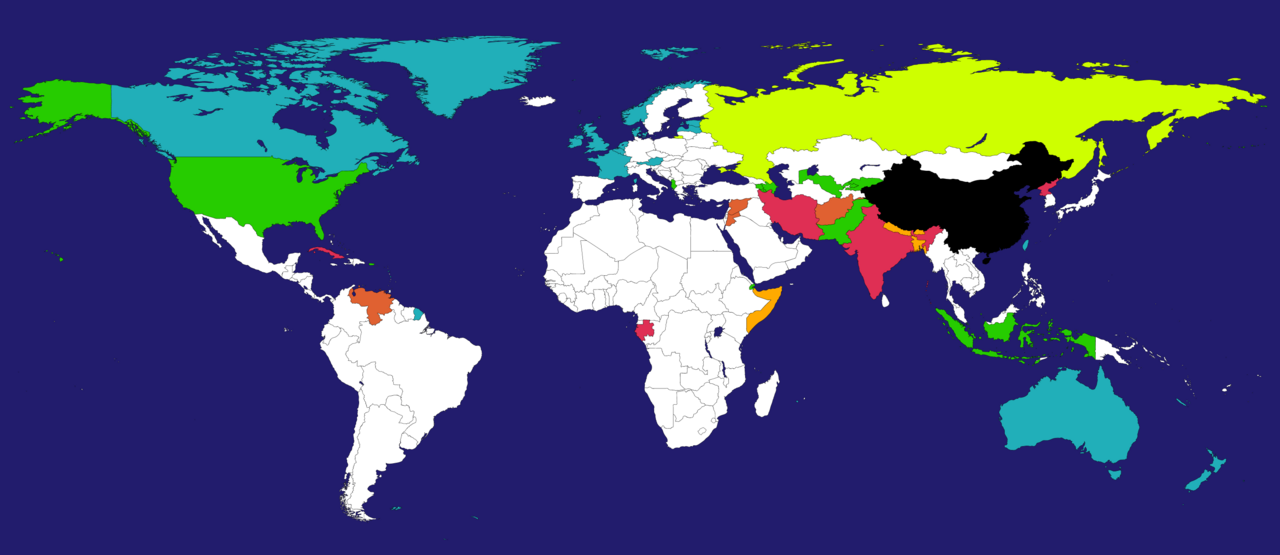
Beyond the United States, several nations have moved to impose their own restrictions on TikTok. Australia and various European nations have explored stricter limitations on children's access to platforms such as TikTok, with many governments considering age limits between 14 and 16 years old due to concerns about mental health, data privacy, and exposure to harmful online content [3]. In the United States, lawmakers have argued that TikTok's connection to ByteDance could allow sensitive user data to be accessed by the Chinese government [3]. Legal challenges from TikTok and ByteDance have delayed the implementation of restrictions on the platform [3]. The Federal Government of Nigeria plans to regulate TikTok and similar social media platforms, aiming to redirect youth creativity towards productive digital engagement rather than purely entertainment-driven content [4]. These international efforts reflect a growing consensus that TikTok's Chinese ownership necessitates oversight, even as the specific measures vary by country [5].
Data Privacy and Content Moderation Rules
The new U.S. deal involving TikTok includes provisions for increased data storage localization within the U.S., enhanced content moderation standards aligned with American regulatory frameworks, and oversight mechanisms granting U.S. officials review privileges [5]. With stricter content regulations and oversight, TikTok's algorithm will likely evolve to prioritize compliant and trusted content signals, impacting content virality dynamics for creators [5]. The push for localized data storage and moderation means more U.S.-focused content opportunities, allowing creators to tailor videos to demonstrate understanding of American culture, regulations, and trending issues [5]. Additionally, TikTok has introduced new restrictions on AI-generated content and deepfake videos, prohibiting content that may mislead viewers or spread misinformation [3]. The platform also requires specific criteria for creators before they can access certain features, and commercial content disclosure must be mandatory for all posts promoting a brand or product [3].
Key Facts
The following verified facts summarize the core of the TikTok regulation story:
- Congress enacted the Protecting Americans from Foreign Adversary Controlled Applications Act (PAFACA) in April 2024, requiring ByteDance to divest TikTok's U.S. operations within 270 days or face a nationwide ban [1].
- The U.S. Court of Appeals for the D.C. Circuit upheld PAFACA, holding it addressed national security threats stemming from corporate control rather than users' free expression [1].
- The Supreme Court affirmed the D.C. Circuit's decision in January 2025, finding the statute was narrowly tailored to serve a compelling government interest: preventing the Chinese government from accessing sensitive user data or manipulating digital discourse [1].
- As of the source's writing, TikTok has reached a deal with investors including Andreessen Horowitz (a16z), Silver Lake, and Oracle to buy a controlling 80% stake in its U.S. operations [1].
- In January 2026, U.S. President Donald Trump postponed the enforcement of the law targeting TikTok's ownership, extending negotiations over whether the platform should separate from its Chinese parent company ByteDance or face restrictions [3].
- Countries including Australia and several European nations have explored stricter limitations on children's access to platforms such as TikTok, with many governments considering age limits between 14 and 16 years old due to concerns about mental health, data privacy, and exposure to harmful online content [3].
- The Federal Government of Nigeria plans to regulate TikTok and similar social media platforms, aiming to redirect youth creativity towards productive digital engagement rather than purely entertainment-driven content [4].
- Concerns over data privacy, national security, and content moderation have placed TikTok under intense regulatory focus by US authorities, with the app's Chinese ownership generating fears of data being accessible by foreign governments [5].
Significance and Impact
The regulation of TikTok represents a pivotal moment in how governments address the intersection of technology, national security, and free expression. The PAFACA law and subsequent legal rulings establish a framework for targeting foreign corporate control of digital platforms rather than censoring user content. This approach survived Supreme Court scrutiny by framing the law as content-neutral and focused on ownership [1]. The global ripple effects are evident as other nations consider age limits, data localization, and content moderation standards [3][4][5]. For creators, the evolving regulatory landscape means shifts in algorithmic prioritization, data storage practices, and content disclosure requirements [5]. As negotiations continue and the April 2026 deadline approaches, the future of TikTok's U.S. operations remains uncertain, but the precedent set by PAFACA will likely influence how future administrations regulate foreign-controlled digital services.
Sources & citations
- TikTok, PAFACA, and the New National Security Playbook – Cornell Journal of Law and Public Policy
- TikTok jako zagrożenie bezpieczeństwa narodowego – czy aplikacje mogą szpiegować?
- People & Events - The Herald Tomorrow | Student Newspaper U.S. & Canada
- CEOAfrica :: FG plans to regulate TikTok, others :: Africa Online News Portal
- TikTok US Deal: What Creators Need to Know