
Overview
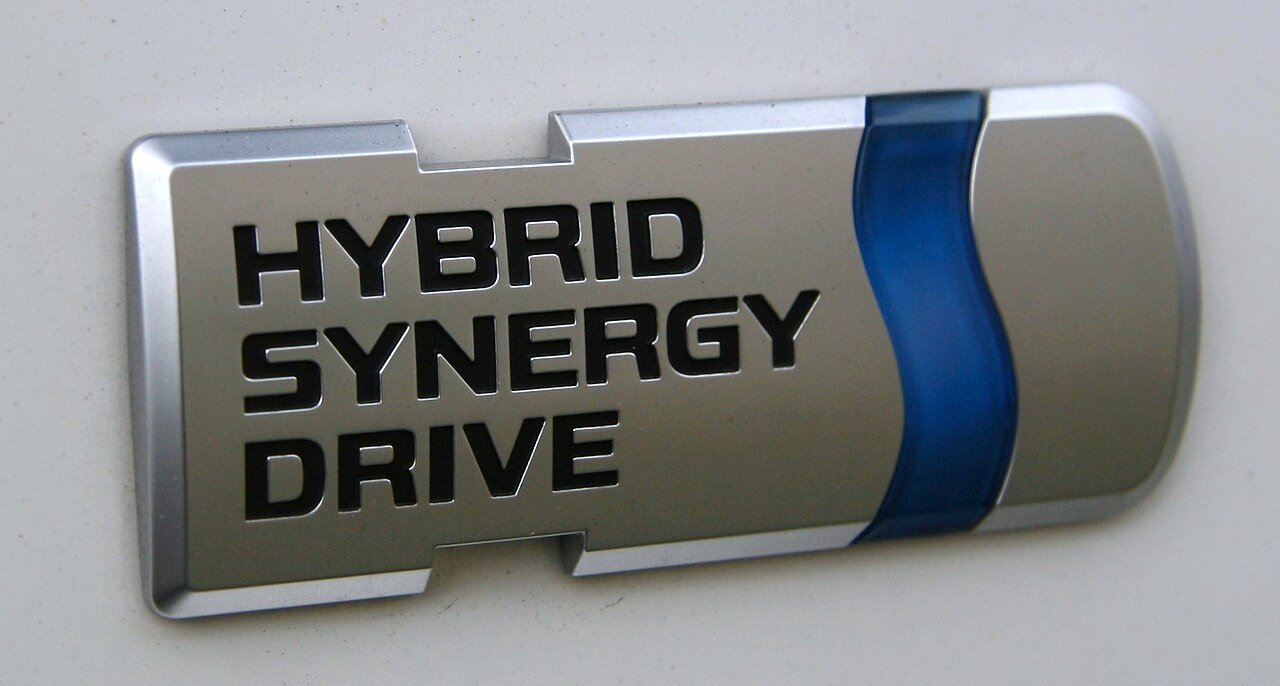
Toyota's hybrid system combines a petrol engine with one or more electric motors, coordinated by a planetary gearset known as the power-split device [2]. This architecture allows the vehicle to operate on electric-only power in slow-moving traffic and capture kinetic energy during braking to recharge the battery [2]. Unlike plug-in hybrids, conventional Toyota hybrids do not require external charging, though plug-in variants are available for drivers seeking longer electric-only ranges [2].
Core Components and Power Flow
The hybrid drive system consists of six primary components: a petrol engine, an electric motor, an electric generator, a power control unit, and a power-split device that uses a special type of gearbox [2]. The power-split device acts as a continuously variable transmission, routing power from the engine, the motor-generator, or both to the wheels without traditional gear shifts [3]. This design eliminates the mechanical complexity of multi-speed transmissions while ensuring the engine operates within its most efficient RPM band regardless of vehicle speed.
Power-Split Device Function
The planetary gearset at the heart of the system distributes torque between the engine and the motor-generator, allowing seamless blending of power sources [3]. By acting as a continuously variable transmission, the device ensures smooth acceleration from a standstill using electric torque and maintains optimal engine efficiency during highway cruising [3]. This mechanical arrangement is the defining feature that distinguishes Toyota's hybrid approach from series or parallel hybrid architectures used by other manufacturers.
- Petrol engine provides primary propulsion and charges the battery via a generator [2]
- Electric motor drives the wheels, particularly from a standstill [2]
- Electric generator converts engine power or regenerative energy into stored electricity [2]
- Power control unit manages electricity flow between all components [2]
- Power-split device routes power continuously without gear changes [3]
- Regenerative braking captures kinetic energy during deceleration [3]
Hybrid Flavors: HEV vs PHEV
Toyota offers two distinct hybrid flavors: conventional hybrids (HEVs) that never need plugging in, and plug-in hybrids (PHEVs, branded as 'Prime' models) that offer meaningful electric-only range [3]. The conventional hybrid battery is small, typically 1.0–1.6 kWh, enabling only brief, low-speed electric-only driving of approximately one mile [3]. In contrast, the plug-in hybrid battery is much larger, ranging from 13.6–18.1 kWh, which supports 25–42+ miles of electric-only driving at highway speeds [3].
Battery Size and Electric Range
The disparity in battery capacity between HEVs and PHEVs directly determines their electric-only capability. A conventional hybrid's tiny battery can sustain low-speed cruising for short distances, while a plug-in hybrid's substantial energy storage allows meaningful electric commuting without engaging the petrol engine [3]. This range advantage makes PHEVs suitable for drivers who want to cover daily distances on electricity alone but still retain the flexibility of a petrol engine for longer trips.
Regenerative Braking and Battery Charging
During braking and deceleration, the motor-generator reverses its role and becomes a generator, capturing kinetic energy to recharge the battery [3]. This process, known as regenerative braking, converts motion that would otherwise be lost as heat into usable electrical energy [3]. The petrol engine also charges the battery via a generator during normal driving cycles, providing a dual-charging mechanism that keeps the battery at an optimal state of charge [2].
Energy Recovery Efficiency
The effectiveness of regenerative braking is a key reason real-world city fuel economy often exceeds EPA ratings for Toyota hybrids [3]. Frequent stop-and-go traffic provides ample opportunities for the motor-generator to harvest energy, a benefit that is less pronounced during steady highway cruising where braking events are infrequent [3]. This dynamic explains why the system performs best in urban environments with varied speed profiles.
2026 Fuel Economy Performance
EPA fuel economy figures for 2026 Toyota hybrids vary by model and drivetrain configuration. The Prius LE FWD achieves 57 city, 56 highway, and 57 combined MPG, while the Camry Hybrid LE FWD records 53 city, 50 highway, and 51 combined MPG [3]. The RAV4 Hybrid AWD delivers 41 city, 38 highway, and 39 combined MPG, and the Highlander Hybrid AWD achieves 35 city, 35 highway, and 35 combined MPG [3].
| Model | City MPG | Highway MPG | Combined MPG |
|---|---|---|---|
| Prius (LE FWD) | 57 | 56 | 57 |
| Camry Hybrid (LE FWD) | 53 | 50 | 51 |
| RAV4 Hybrid (AWD) | 41 | 38 | 39 |
| Highlander Hybrid (AWD) | 35 | 35 | 35 |
Real-World Driving Conditions
In urban environments, Toyota hybrids often exceed EPA city ratings due to frequent regenerative braking opportunities [3]. However, on long highway cruises at 75-80 mph, drivers should expect MPG to drop 5-10% below the EPA highway figure [3]. This discrepancy occurs because steady-speed highway driving minimizes regenerative braking events and increases aerodynamic drag, reducing the relative benefit of the electric motor.
Cold Weather Impact
In cold weather below 30°F, the engine runs more often to provide cabin heat, reducing city MPG by roughly 10-15% until the powertrain warms up [3]. This thermal constraint temporarily limits the system's ability to operate in electric-only mode, as the engine must generate both mechanical power and waste heat for the cabin. Once the powertrain reaches operating temperature, fuel economy returns to normal levels.
System Advantages and Limitations
The primary advantage of Toyota's hybrid system is its ability to deliver significant fuel savings without requiring driver behavior changes or external infrastructure [2]. The power-split device's continuous variable transmission function ensures smooth operation across all speeds, while regenerative braking recovers energy that conventional vehicles waste as heat [3]. The main limitation is the modest electric-only range of conventional hybrids, which restricts zero-emission driving to short, low-speed segments [3].
Comparison with Plug-in Alternatives
For drivers seeking extended electric-only capability, Toyota's Prime plug-in hybrids offer a practical compromise between full electric vehicles and conventional hybrids [3]. The larger battery enables 25-42+ miles of electric driving, covering most daily commutes without consuming petrol [3]. This approach addresses the range anxiety associated with smaller hybrid batteries while retaining the flexibility of a petrol engine for long-distance travel.