
Background and Definitions
Transgender people are defined as having a gender identity that differs from their sex assigned at birth [1]. This fundamental definition underpins all policy debates in sport, where sex assigned at birth, gender identity, and perceived competitive advantage intersect. Governance of transgender participation requires reconciling these concepts with the biological realities of athletic performance.
Sex Assigned at Birth versus Gender Identity
The distinction between sex assigned at birth and gender identity is central to sport policy. While gender identity reflects a person's internal sense of self, many governing bodies anchor eligibility in testosterone levels and physical development markers that correlate with sex assigned at birth. This creates a policy tension between inclusion and the preservation of female categories.
Historical Precedent
Renée Richards became a notable transgender figure in tennis who fought for the right to compete as a woman after gender-affirming surgery [2]. Her case established early legal precedents for transgender inclusion, though modern policies have shifted toward hormone-based restrictions rather than surgical mandates.
The academic article examining transgender athletes in sports competitions outlines barriers to participation and biological differences related to athletic performance [4]. This research provides the evidentiary foundation for current policy decisions across sports.
International Governing Body Policies
World Athletics
World Athletics has implemented policies restricting transgender athletes, requiring testosterone levels below 2.5 nmol/L for a specified period [2]. This threshold reflects the organization's assessment of the testosterone-advantage relationship in track and field events, particularly those involving power and explosive strength.
International Swimming Federation (FINA)
FINA has established an open category for transgender athletes alongside the women's category [2]. This dual-structure approach attempts to preserve the women's category while creating a separate division for athletes who cannot meet testosterone suppression requirements. The open category represents a structural solution to the inclusion-exclusion dilemma.
World Rugby
World Rugby has effectively excluded transgender women from competing in women's contact rugby due to safety concerns related to testosterone and physical development [2]. The sport's governing body cites evidence of retained physical advantages in contact situations, prioritizing player safety over inclusion in this high-impact sport.
These divergent policies across sports illustrate how governing bodies reach different conclusions about the testosterone-advantage relationship and the appropriate balance between inclusion and competitive fairness [2,4].
Notable Cases and Contemporary Debates
Lia Thomas
Lia Thomas, a transgender woman, competed in NCAA swimming and became a prominent figure in debates about transgender inclusion in women's sports [2]. Her participation sparked widespread discussion about the fairness of open-category policies and the adequacy of testosterone suppression protocols in swimming.
Policy Outcomes and Public Reception
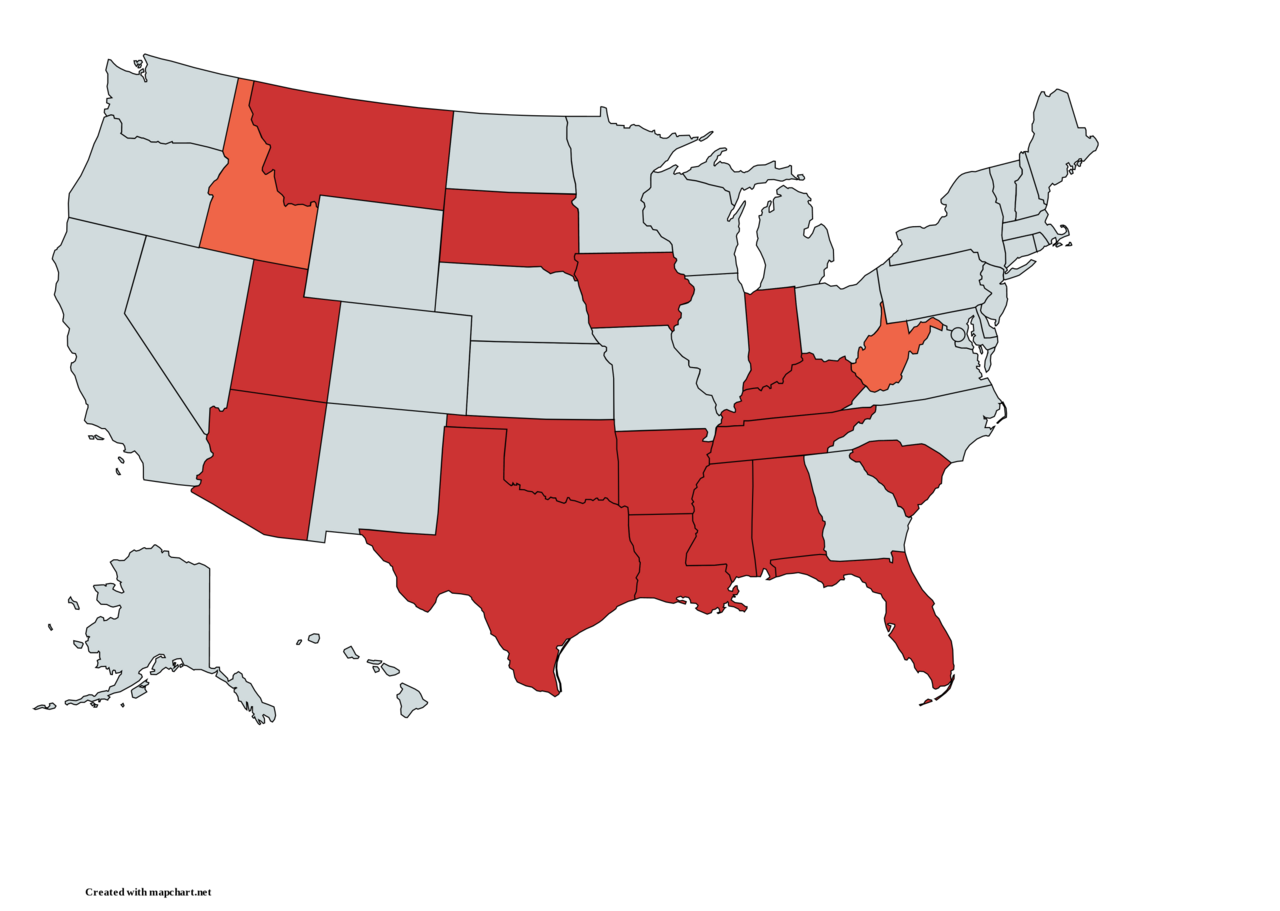
Thomas's case, alongside other high-profile participants, has contributed to the passage of ballot measures banning transgender student-athletes in multiple states [5]. In the 2026 U.S. elections, such measures passed in Nebraska, Arizona, Colorado, and Washington, reflecting the political dimension of the debate.
2026 Washington Initiative 638
The 2026 Washington Initiative 638 was a ballot measure that would have prohibited students defined as "biologically male" from competing in school athletic activities intended for female students, requiring verification of biological sex [3]. This measure exemplifies the legislative approach to codifying sex-based eligibility criteria at the K-12 level.
These cases demonstrate how individual athletes become focal points for broader policy questions, with their participation outcomes shaping the regulatory landscape for future competitors [2,3,5].
Hormone Suppression and Performance Science
Testosterone Thresholds Across Sports
World Athletics requires transgender athletes to maintain testosterone levels below 2.5 nmol/L [2], while other sports have adopted different thresholds or outright bans. The variation reflects each sport's assessment of where testosterone levels meaningfully impact performance outcomes.
Biological Persistence of Advantages
The academic research on transgender athletes examines biological differences related to athletic performance, including the persistence of certain physiological advantages even after hormone therapy [4]. This research informs the debate about whether current suppression periods are sufficient to eliminate competitive advantages.
Safety Considerations in Contact Sports
World Rugby's exclusion of transgender women stems from safety concerns related to retained physical development [2]. In collision sports, the risk of injury to cisgender female athletes is weighed against inclusion policies, creating a different policy calculus than in non-contact disciplines.
The science of hormone therapy's effects on athletic performance remains an active area of research, with longitudinal data still being collected on the magnitude and duration of performance changes [4]. Policy often operates in advance of complete scientific consensus.
State-Level Legislative Action
2026 Election Results
In the 2026 U.S. elections, ballot measures banning transgender student-athletes passed in four states: Nebraska, Arizona, Colorado, and Washington [5]. These victories for restriction proponents signal a trend toward state-level codification of sex-based eligibility criteria.
Verification Requirements
Initiative 638 in Washington and similar measures require verification of biological sex for athletic participation [3]. These verification mechanisms create administrative hurdles and raise questions about the definition and proof of "biological male" versus "biological female" in school settings.
Impact on School Participation
Legislative bans at the state level directly affect K-12 and collegiate athletic opportunities for transgender youth [5]. The measures remove the possibility of participation in sex-segregated sports categories aligned with gender identity, effectively limiting transgender students to mixed or co-ed offerings.
The patchwork of state policies contrasts with the international federation approach, creating a fragmented regulatory environment where eligibility depends on geography as much as sport [3,5].
Policy Diversity and Governance Models
Spectrum of Policy Approaches
Transgender inclusion policies vary across sports governing bodies, with some requiring testosterone suppression and others imposing outright bans [2,4]. This spectrum reflects the lack of consensus on the appropriate balance between inclusion, fairness, and safety across different sporting contexts.
Category Structures
FINA's establishment of an open category alongside the women's category [2] represents one governance model. World Athletics' restrictive thresholds represent another. World Rugby's effective exclusion represents a third. Each model attempts to solve the same fundamental problem with different prioritization of competing values.
Future Policy Directions
As more data emerges on hormone therapy effects and as legislative actions continue, governing bodies may revise their policies [2,4]. The evolving landscape suggests that current regulations may be transitional rather than final, with ongoing negotiation between inclusion advocates and fairness proponents.
The variability in approaches means that an athlete's eligibility can change depending on which sport they pursue, creating a complex navigation challenge for transgender competitors [2,4].
Key Facts Summary
The following verified facts summarize the core landscape of transgender athlete participation [1,2,3,4,5]:
- Transgender people have a gender identity that differs from their sex assigned at birth [1].
- Transgender people in sports have been a subject of policy debate involving sex verification, testosterone levels, and governing body regulations [2].
- Renée Richards was a notable transgender figure in tennis who fought for the right to compete as a woman after gender-affirming surgery [2].
- Lia Thomas, a transgender woman, competed in NCAA swimming and became a prominent figure in debates about transgender inclusion in women's sports [2].
- World Athletics has implemented policies restricting transgender athletes, requiring testosterone levels below 2.5 nmol/L for a specified period [2].
- The International Swimming Federation (FINA) has established an open category for transgender athletes alongside the women's category [2].
- World Rugby has effectively excluded transgender women from competing in women's contact rugby due to safety concerns related to testosterone and physical development [2].
- The 2026 Washington Initiative 638 would have prohibited students defined as "biologically male" from competing in school athletic activities intended for female students [3].
- In the 2026 U.S. elections, ballot measures banning transgender student-athletes passed in four states: Nebraska, Arizona, Colorado, and Washington [5].
- The academic article examines barriers to participation and biological differences related to athletic performance [4].
- Transgender inclusion policies vary across sports governing bodies, with some requiring testosterone suppression and others imposing outright bans [2,4].