
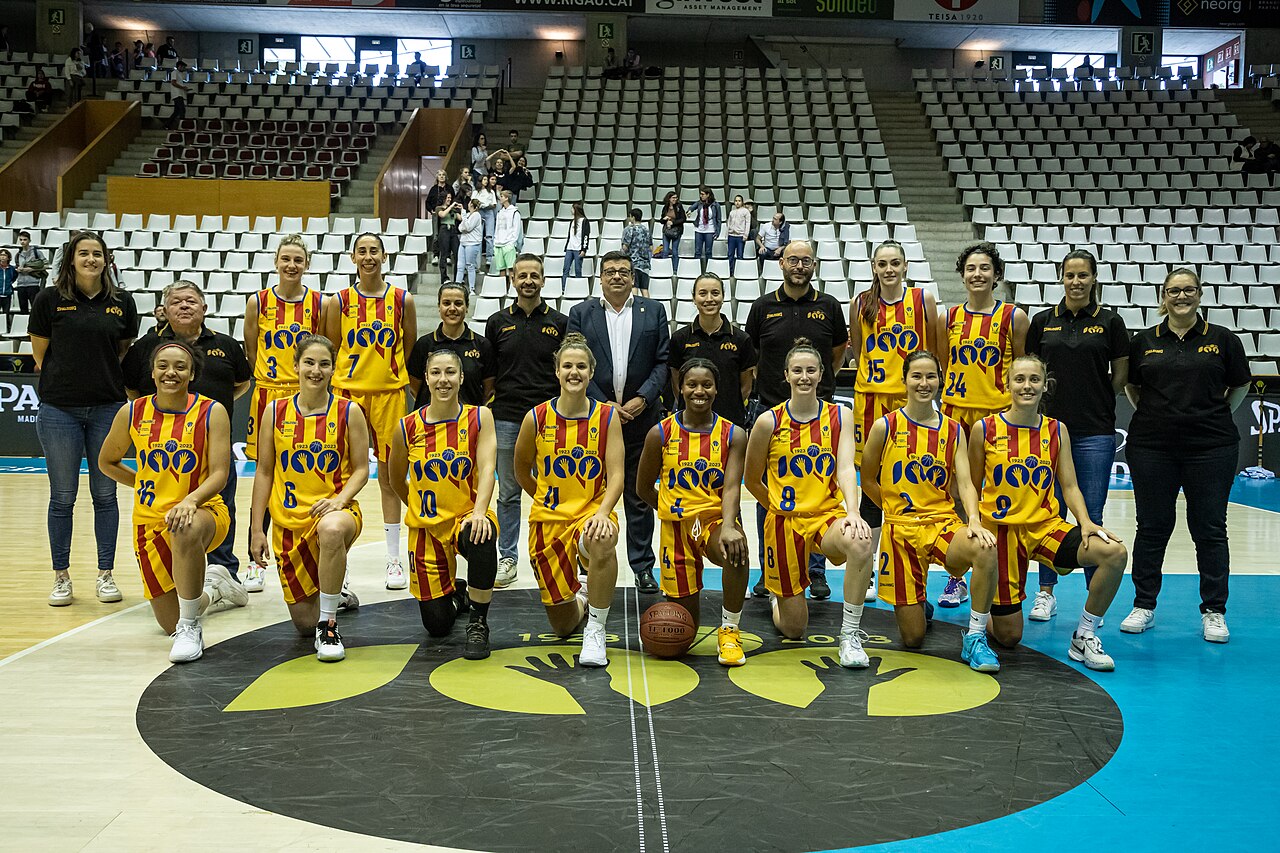
Overview and Early International Debut
The Ukraine women's national basketball team represents Ukraine in international women's basketball competitions and is controlled by the Basketball Federation of Ukraine (FBU). The team's first international match occurred on 13 May 1993, when they faced Israel in Antalya, Turkey, resulting in a 64–77 loss for Ukraine [2]. This debut match marked the beginning of Ukraine's official presence on the European basketball stage just one year after joining FIBA in 1992 [2].
Formation and FIBA Membership
Ukraine became a FIBA member state in 1992, following the dissolution of the Soviet Union, which allowed newly independent nations to establish their own basketball federations and national teams. The Basketball Federation of Ukraine (FBU) was established as the governing body responsible for selecting, training, and sending the women's national team to international competitions. This membership facilitated Ukraine's participation in EuroBasket Women qualifying tournaments and established the team's place within the FIBA Europe zone.
First Official Match and Initial Results
The team's inaugural official match took place on 13 May 1993 against Israel in Antalya, Turkey, where Ukraine suffered a 64–77 defeat. This loss, while substantial, served as a learning experience for a newly formed national program. The match represented Ukraine's entry into the competitive landscape of European women's basketball, where they would eventually develop into a nation capable of achieving significant success at the continental level.
EuroBasket Women 1995 Championship Victory
Historic Gold Medal Win
Ukraine's greatest achievement came in 1995 when the team won the EuroBasket Women championship, securing their only gold medal in the competition's history. This victory represented the pinnacle of Ukrainian women's basketball and established the team as a legitimate force in European basketball. The gold medal win came during a generation of Ukrainian players who developed the sport within the country's emerging basketball infrastructure.
Tournament Performance and Significance
The 1995 EuroBasket Women tournament victory remains the crowning achievement in Ukrainian women's basketball history. Winning the continental championship demonstrated that Ukraine could compete with and defeat established basketball nations in Europe. This achievement brought attention to women's basketball within Ukraine and inspired future generations of players to pursue the sport at elite levels.
Legacy of the 1995 Generation
The 1995 championship team established a legacy that continues to influence Ukrainian women's basketball today. Their success proved that a nation could achieve continental glory despite limited resources compared to traditional basketball powers. The team's victory remains a source of national pride and is frequently referenced in discussions about Ukrainian sports achievements.
Subsequent EuroBasket Appearances (1997–2009)
1997 and 2001 Tournament Participation
Ukraine returned to EuroBasket Women competition in 1997, participating in their second continental championship. The team continued their participation pattern with appearances in 2001, maintaining a presence in Europe's premier women's basketball tournament. These appearances, while not resulting in additional medals, demonstrated the team's consistency and ability to qualify for the championship tournament over successive decades.
2003 EuroBasket Campaign
Ukraine's 2003 EuroBasket Women participation marked another chapter in the team's ongoing European campaign. The tournament provided opportunities for Ukrainian players to gain experience against senior European competition. While the team did not replicate the 1995 success, these appearances contributed to the development of women's basketball infrastructure and player experience within the country.
2009 Return to Competition
After a period of qualification challenges, Ukraine returned to EuroBasket Women in 2009, marking their first appearance in eight years. The 2009 tournament participation demonstrated the team's resilience and ability to rebuild and re-qualify for continental competition. This return came after years of developing basketball programs within Ukraine's sports system.
Key Matches and Record Performances
Biggest Victory Against Germany
Ukraine's biggest win came on 20 August 2008, when they defeated Germany 93–39 in Kyiv, Ukraine. This 54-point margin of victory represented the team's largest margin of victory in international competition and showcased their offensive capabilities against a European opponent. The match took place in Kyiv, highlighting the team's ability to attract spectators and compete at home against established European nations.
Heaviest Defeat Against Serbia
Ukraine's biggest defeat occurred on 9 November 2023, when they lost to Serbia 82–40 in Belgrade, Serbia. This 42-point margin highlighted the competitive gaps between Ukraine and some of Europe's basketball powerhouses. The match in Belgrade represented a challenging moment for the team but provided valuable experience against top-tier competition.
Worst Defeat in History Against France
The Ukrainian women's national basketball team suffered the worst defeat in its history, losing to France 60–108 in a European Championship qualifying match on 17 November 2026, falling by 48 points [5]. This 48-point margin of defeat represents the largest margin of defeat in team history and occurred during European Championship qualifying. The match against France demonstrated the current competitive landscape where Ukraine faces significant challenges against established basketball nations.
FIBA Ranking and Current Status
FIBA World Ranking Progression
Ukraine's FIBA ranking has fluctuated over the years as the team's performance in international competitions has varied. The team's ranking reflects their competitive standing within international women's basketball and is determined by their performance in FIBA-recognized competitions. Ranking points are accumulated based on results in EuroBasket Women qualifying tournaments and other FIBA-sanctioned events.
September 2026 Ranking Position
As of 14 September 2026, Ukraine's FIBA ranking was 43 [2]. This ranking position places the team within the mid-tier of European women's basketball nations, reflecting their historical performance including the 1995 gold medal and more recent competitive results. The ranking serves as a benchmark for the team's current status and future qualification prospects.
FIBA Europe Zone Competition
Ukraine competes within the FIBA Europe zone, which includes European nations divided into various divisions and qualifying pathways for EuroBasket Women. The zone structure means Ukraine regularly faces European opponents in qualifying tournaments, with performance affecting both their ranking and their ability to advance to final tournament stages. The FIBA Europe zone provides a structured competitive pathway for national teams across the continent.
Historical Context and FIBA Membership
Post-Soviet Basketball Development
Following the dissolution of the Soviet Union in 1991, Ukraine, as a newly independent nation, established its own basketball federation and national teams. The Basketball Federation of Ukraine was founded to govern basketball development, including both men's and women's national teams. This period marked the beginning of Ukraine's independent participation in international basketball competitions, separate from Soviet-era unified teams.
FIBA Membership and European Competition
Ukraine joined FIBA in 1992, gaining full membership in the International Basketball Federation and the ability to compete in FIBA-recognized competitions. Membership placed Ukraine within the FIBA Europe zone, subjecting the team to European qualifying structures for EuroBasket Women and other continental competitions. This membership was crucial for establishing Ukraine's place in the international basketball community.
Women's Basketball Growth in Ukraine
The development of women's basketball in Ukraine has followed the broader trajectory of sports development in the post-Soviet era. The national team's achievements, particularly the 1995 EuroBasket gold, came during a period of building basketball infrastructure and player development programs. The team's performance has been influenced by available resources, coaching quality, and the growth of women's sports participation within Ukrainian society.
Competitive Record and Tournament History
EuroBasket Women Tournament Appearances
Ukraine has appeared in 9 EuroBasket Women tournaments: 1995, 1997, 2001, 2003, 2009, 2013, 2015, 2017, and 2019 [2]. This tournament participation record demonstrates the team's consistent ability to qualify for Europe's premier women basketball championship over nearly three decades. Each appearance represents the team's qualification success through rigorous European qualifying tournaments.
Performance Trends Across Decades
The team's tournament participation pattern shows involvement across multiple decades, from their debut in 1995 through to 2019. This longevity in European competition reflects the team's sustained presence in qualifying tournaments and ability to maintain competitiveness across different generations of players. The 24-year span of appearances highlights the team's resilience and the basketball infrastructure's capacity to produce qualifying teams.
Notable Tournament Results
While the 1995 tournament stands as the championship highlight, Ukraine's other EuroBasket appearances have contributed to the team's overall competitive experience. Each tournament appearance has provided opportunities for player development, tactical growth, and exposure to high-level European basketball competition. The cumulative experience from nine tournament participations has shaped the team's identity and playing style.
Key Players and Team Identity
Notable Player Contributions
The Ukraine women's national basketball team has featured players who have represented Ukraine at the international level with distinction. While specific player names are not detailed in the available sources, the team's success and competitive record reflect the contributions of generations of Ukrainian basketball players. The 1995 championship squad featured players who achieved the program's pinnacle success, while more recent players have continued the national team tradition.
Playing Style and Tactical Approach
The team's playing style has evolved over nearly three decades of international competition, adapting to changes in women's basketball tactics and rules. Competitive experiences against nations like Germany, Serbia, and France have influenced tactical development. The team's approach reflects both Ukrainian basketball traditions and modern women's basketball strategies developed through years of European competition.
Team Identity and National Representation
The Ukraine women's national basketball team serves as a source of national pride and represents Ukraine's presence in international women's basketball. The team's identity is connected to broader Ukrainian sports culture and the country's basketball development pathway. Whether achieving historic victories or facing challenging defeats, the team maintains its role as Ukraine's representative in women's international basketball competition.
Recent Competitive Challenges and Future Prospects
2023 and 2026 Qualifying Campaigns
The team's recent competitive results include the November 2023 defeat to Serbia and the November 2026 loss to France by 48 points [5]. These matches represent the current competitive landscape where Ukraine faces established European basketball nations. The qualifying campaigns demonstrate both the challenges of competing in Europe's toughest basketball environment and the team's continued participation in qualification pathways.
Road to Future EuroBasket Participation
Ukraine's future EuroBasket Women qualification will depend on performance in upcoming FIBA Europe qualifying tournaments. The team's historical participation in nine tournaments provides a foundation, but each new qualifying cycle presents fresh challenges against evolving European competition. The team's ability to qualify will depend on player development, coaching, and performance in the FIBA Europe zone qualifying structure.
Long-term Development Goals
The long-term goals for Ukraine women's national basketball team likely include returning to EuroBasket medal contention and building on the 1995 championship legacy. Development pathways would focus on grassroots basketball growth, coaching development, and player identification systems. The 1995 gold medal remains a benchmark for future success, while recent competitive results provide realistic assessments of the team's current standing and areas for improvement.
Comparison with Men's Program and Broader Basketball Context
Ukraine Men's National Basketball Team
Ukraine also fields a men's national basketball team that competes in international competitions under the Basketball Federation of Ukraine. The men's program has its own competitive history and FIBA ranking, separate from the women's team. While both programs operate under the same governing body, their competitive trajectories, tournament histories, and achievements have developed independently based on player pools, coaching staff, and basketball development pathways specific to each gender.
FIBA Europe Zone Competition Structure
Both Ukraine men's and women's national teams compete within the FIBA Europe zone, but their qualifying paths and competitive divisions may differ based on FIBA's structure for gender-separated competitions. The Europe zone encompasses numerous national teams across the continent, with varying divisions and qualifying tournaments for both men's and women's EuroBasket competitions. Ukraine's placement within these structures affects their competitive schedule and qualification opportunities.
Basketball Development in Ukraine
Basketball development in Ukraine encompasses both men's and women's programs, with the Basketball Federation of Ukraine overseeing the sport's growth across gender lines. The federation's resources, coaching infrastructure, and development programs impact both national teams, though historically and currently, the women's program has achieved its greatest success with the 1995 EuroBasket gold while the men's program has followed a different competitive path. The broader basketball ecosystem in Ukraine supports both programs, with varying levels of investment, facilities, and player participation.
European Women's Basketball Landscape
EuroBasket Women Competition History
EuroBasket Women is Europe's premier women's national team basketball championship, featuring the continent's top women's basketball nations. Ukraine's participation in nine editions (1995, 1997, 2001, 2003, 2009, 2013, 2015, 2017, and 2019) places them among the teams that have regularly qualified for the continental championship. The competition has been dominated by traditional basketball powers, making Ukraine's 1995 gold medal achievement even more significant within the context of European women's basketball.
Competitive Hierarchy Among European Nations
The European women's basketball hierarchy features established nations with longer basketball traditions, more developed women's leagues, and greater resources. Ukraine's competitive record, including their 1995 gold, 93–39 victory over Germany, and challenging defeats against Serbia (82–40) and France (60–108), reflects their position within this hierarchy. The team's results demonstrate both the capabilities and limitations of a nation basketball program operating within Europe's competitive landscape.
Impact of 1995 Achievement on Ukrainian Sports
Ukraine's 1995 EuroBasket Women gold medal holds a special place in Ukrainian sports history, representing one of the country's notable international sports achievements. The victory came during a transformative period for Ukrainian independence and sports development. The achievement continues to be referenced in discussions about Ukrainian sports excellence and serves as inspiration for current and future athletes in women's basketball and other sports disciplines.