
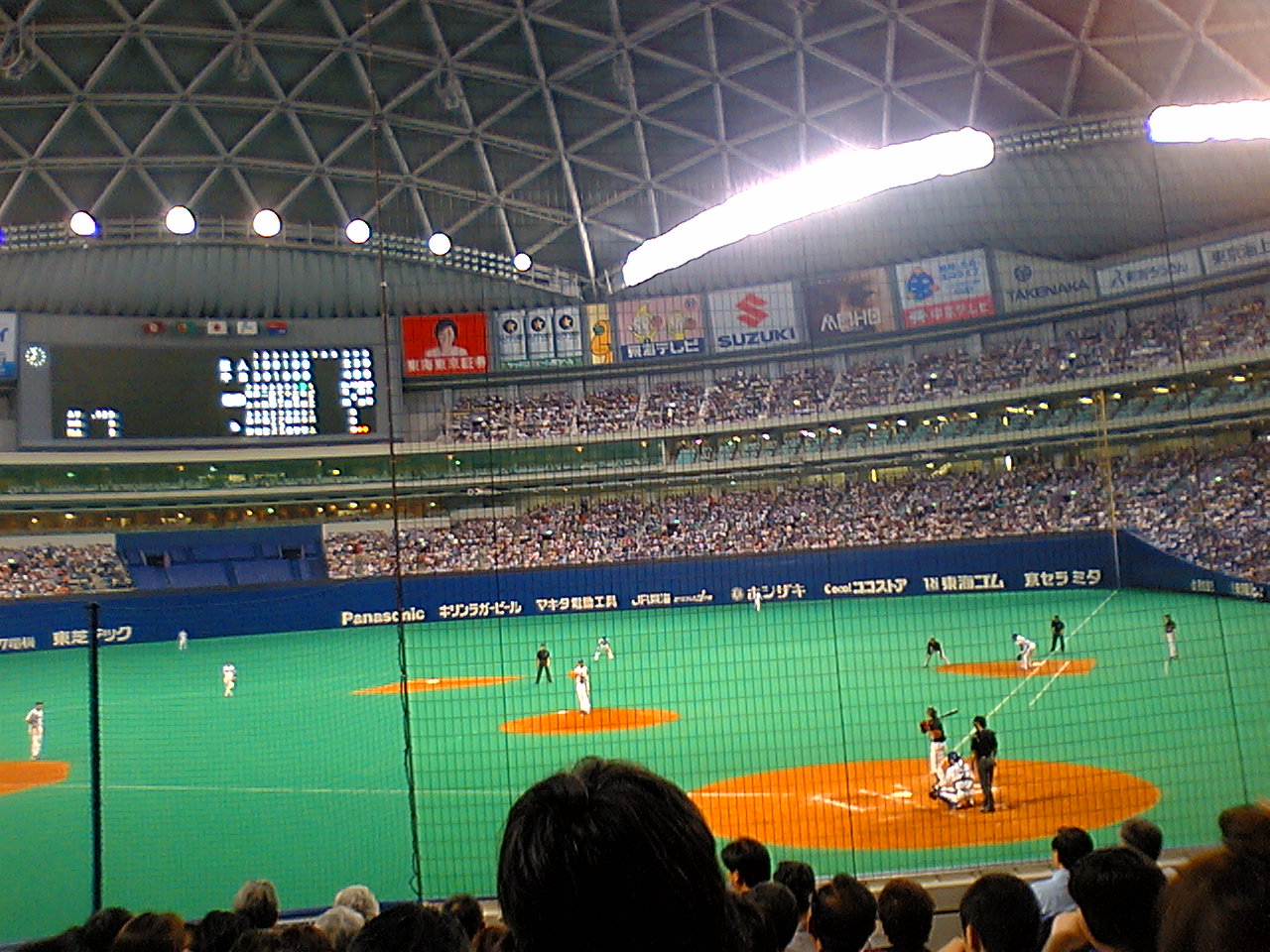
Overview of Infield Positions
An infielder is a baseball player assigned to one of four defensive spots located within the infield area, which spans between the first base and third base lines on the field [1] (high). This central grouping of players is crucial to fielding ground balls and controlling the base paths [1] (high).
The Four Core Infield Spots
The infield comprises four distinct defensive roles: first base (1B), second base (2B), third base (3B), and shortstop (SS) [1] (high). These positions form the immediate defensive line around the bases [1] (high).
Defining the Middle Infield
Within this core group, the second baseman and the shortstop are specifically categorized as the middle infielders [1] (high). This distinction helps define the internal defensive responsibilities within the infield unit [1] (high).
The Complete Baseball Field Layout
A full baseball field features nine defensive positions in total [2] (high). These positions are divided into three main zones: the infield, the outfield, and the battery [2] (high).
Infield and Outfield Separation
The infield positions include first base, second base, third base, and shortstop [2] (high). Conversely, the outfield covers left field, center field, and right field [2] (high).
The Battery Components
The battery consists of two essential roles: the pitcher and the catcher [2] (high). These positions manage the pitching action from the mound and behind the plate, respectively [2] (high).
The Role of the Utility Infielder
A utility infielder possesses a versatile skill set, enabling them to perform competently at two or more different infield positions [1] (high). This flexibility makes them valuable substitutes who can be brought into the game from the bench [1] (high).
Bench Versatility
The utility player's ability to cover multiple infield roles provides strategic depth for a team [1] (high). They are not tied to a single, specialized defensive spot [1] (high).
Skill Requirement
Competency across several infield positions is the defining characteristic of this role [1] (high). This contrasts with specialists who focus intensely on one specific defensive assignment [1] (high).
Understanding the Infield Fly Rule Mechanics
The infield fly rule is a specific regulation applicable to both baseball and softball [3] (high). This rule alters the outcome of certain fly balls, treating them as if they were caught, even if the infielder fails to secure the ball or intentionally drops it [3] (high).
Umpire Declaration is Key
The application of this rule hinges entirely on the declaration made by the umpire [3] (high). The umpire must officially call the ball an infield fly for the rule to take effect [3] (high).
Consequence of the Call
When an umpire declares an infield fly, the batter is automatically recorded as an out [3] (high). Furthermore, this declaration nullifies all force plays within the game situation [3] (high).
Implications of the Infield Fly Call
The effect of the infield fly rule is significant because it removes the necessity of a catch for an out [3] (high). This procedural outcome is triggered by the umpire's judgment regarding the flight of the ball [3] (high).
Force Play Removal
A critical consequence when the infield fly is called is the removal of all force plays [3] (high). This changes the tactical possibilities for base runners on the bases [3] (high).
Batter Status
Regardless of whether the infielder successfully catches the fly ball or deliberately drops it, the batter is deemed out upon the umpire's declaration [3] (high). This outcome is fixed by the rule [3] (high).
Context within Baseball Strategy
The existence of specialized roles, such as the middle infielders [1] (high), dictates defensive positioning [1] (high). Teams utilize the utility infielder [1] (high) to manage substitutions strategically during a game [1] (high).
Defensive Alignment
The four primary infield positions—1B, 2B, 3B, and SS [1] (high)—require specific defensive skills tailored to their proximity to the bases [1] (high). These alignments are part of the overall nine defensive positions [2] (high).
Rule Application in Play
The infield fly rule [3] (high) acts as a contingency within the game flow, overriding standard catching requirements based on official judgment [3] (high). This rule impacts offensive strategy significantly [3] (high).
Positional Breakdown Details
First base (1B), third base (3B), second base (2B), and shortstop (SS) constitute the infield [1] (high). These positions are situated between the bases of first and third [1] (high).
Middle Infield Focus
The middle infielders, specifically the second baseman and the shortstop [1] (high), occupy a central defensive area between the corner infielders [1] (high).
Total Field Positions
The complete defensive setup involves nine positions: the infield, the outfield (left, center, right field), and the battery (pitcher and catcher) [2] (high). This comprehensive structure defines the field [2] (high).
Strategic Value of Flexibility
A utility infielder's value stems from their ability to competently cover multiple infield spots [1] (high). This versatility allows managers to adapt to various game situations without sacrificing defensive quality [1] (high).
Bench Management
Because they can fill several roles, utility players are ideal candidates to be called upon from the bench when needed [1] (high). This tactical flexibility is a key part of modern baseball management [1] (high).
Skill Set Requirement
The prerequisite for this role is having the necessary skills for two or more infield positions [1] (high). This is a measure of broad defensive capability rather than deep specialization [1] (high).
The Infield Fly Rule in Practice
When the umpire declares an infield fly, the batter is immediately out, irrespective of the ball's capture status [3] (high). This declaration supersedes the outcome of a dropped or caught fly ball [3] (high).
Umpire Authority
The umpire's declaration is the sole determinant for the infield fly rule to apply [3] (high). No other action by the fielder dictates the outcome under this rule [3] (high).
Force Play Impact
The rule also mandates the removal of all force plays when an infield fly is called [3] (high). This has direct implications for base running strategy during that play [3] (high).
Distinguishing Infield from Other Zones
The infield is strictly defined by the four positions: 1B, 2B, 3B, and SS [1] (high). This contrasts with the outfield, which encompasses left, center, and right field [2] (high).
Battery Placement
The battery, comprising the pitcher and catcher [2] (high), operates outside the defined infield positions [2] (high). They manage the pitching sequence from the mound [2] (high).
Total Count
Adding the infield (4), outfield (3), and battery (2), the total count of defensive positions on the field reaches nine [2] (high). This accounts for all defensive responsibilities [2] (high).
Evolution of Defensive Roles
The necessity for a utility infielder [1] (high) reflects the modern strategic need for positional flexibility within the infield [1] (high). Teams rely on this adaptability for competitive balance [1] (high).
Specialization vs. Versatility
While specialized roles exist within the four infield spots [1] (high), the utility player bridges gaps between these specialized functions [1] (high). This balance is key to team depth [1] (high).
Rule Modernization
Rules like the infield fly [3] (high) ensure that certain high-risk fly balls do not lead to overly complex or protracted defensive plays, standardizing outcomes based on umpire judgment [3] (high).
Core Components Summary
The infield is anchored by first base, second base, third base, and shortstop [1] (high). The middle infielders are the second baseman and the shortstop [1] (high).
Field Structure
The field contains nine positions: infield, outfield (left, center, right), and battery (pitcher, catcher) [2] (high). This structure defines all defensive responsibilities [2] (high).
Rule Contingency
The infield fly rule dictates that if called by the umpire, the batter is out, removing all force plays, regardless of the catch status [3] (high).