
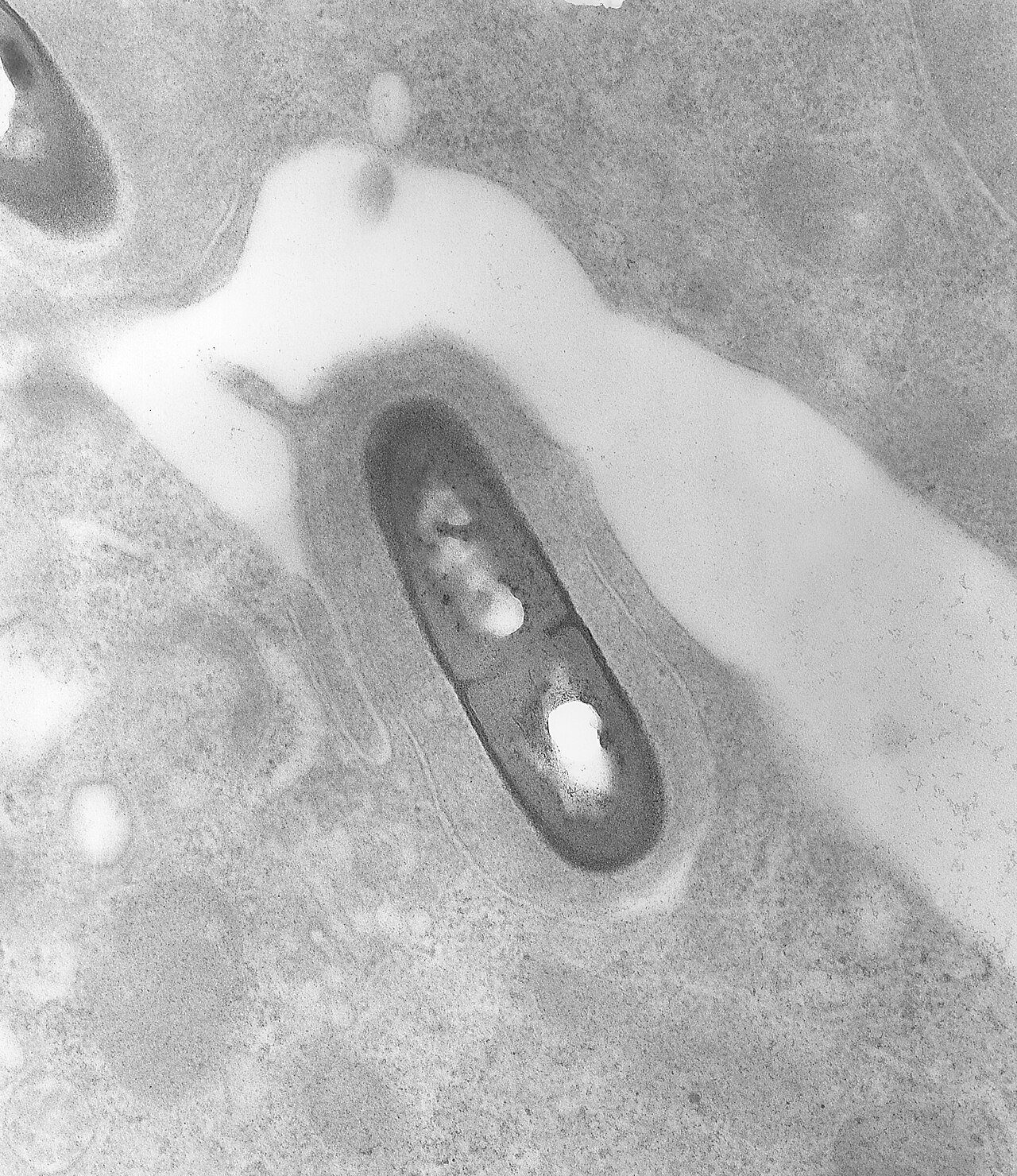
Overview of Listeria Monocytogenes as a Pathogen
Listeria monocytogenes is recognized as a bacterium capable of causing severe diseases in both animal and human populations [4]. Its presence in food is a significant concern for global postharvest food safety efforts [2]. The bacterium poses a particular danger because of its ability to survive and persist within food manufacturing environments [2] [1]. This persistence contributes to ongoing public health challenges related to food consumption [2].
Impact on Vulnerable Groups
The risk associated with Listeria monocytogenes is especially high for vulnerable populations [5]. The bacterium's ability to contaminate ready-to-eat (RTE) foods presents a major challenge in food safety protocols [5]. Monitoring and controlling this pathogen is critical to preventing severe listeriosis across the food supply chain [1].
Challenges in Ready-to-Eat Food Safety
Ready-to-eat foods are a critical area of concern because Listeria monocytogenes can persist within the processing environments where these items are prepared [5]. This persistence, combined with the bacterium's pathogenicity, drives the continuous rise in listeriosis cases linked to these specific food types [1]. Effective control measures must address the environmental reservoirs of the pathogen, not just the final product [5].
Environmental Persistence Factors
The survival of L. monocytogenes in food processing settings is closely connected to several operational and design elements [1]. Specifically, the formation of biofilm, the physical design of processing equipment, and the repeated introduction of the bacteria originating from raw materials are strongly implicated in its environmental survival [1]. Addressing these systemic issues is key to mitigating risk [1].
Regulatory LateFeeds and Public Health Actions
Regulatory bodies are actively issuing warnings regarding contaminated products [3]. For instance, the U.S. Department of Agriculture's Food Safety and Inspection Service (FSIS) has issued a public health alert specifically targeting meat and poultry products that contain FDA-regulated biscuits [3]. These alerts serve as immediate warnings to consumers and industry stakeholders [3].
FSIS Alert Specifics
The FSIS alert pertains to meat and poultry items that include FDA-regulated biscuits and are suspected of carrying Listeria monocytogenes contamination [3]. Such actions highlight the active regulatory oversight aimed at protecting public health from specific foodborne threats [3]. Consumers should heed these official safety communications [3].
Drivers of Increasing Listeriosis Cases
The trend shows that instances of listeriosis are continuing to escalate, and this increase is directly associated with ready-to-eat foods contaminated with Listeria monocytogenes [1]. This rising incidence underscores the persistent threat the bacterium poses within the modern food supply [1]. Continuous vigilance across the entire food production chain is necessary to reverse this trend [1].
Global Food Safety Context
L. monocytogenes remains a substantial threat to the safety of food harvested post-harvest across the globe [2]. Its capacity to survive in processing environments makes eradication difficult, thus impacting global food safety standards [2]. Understanding its biological and epidemiological profiles aids in developing targeted control strategies [2].
Mechanisms of Contamination and Persistence
The environmental persistence of L. monocytogenes is not accidental; it is linked to specific industrial conditions [1]. Biofilm formation on surfaces, inadequate equipment design, and the introduction of contaminated raw ingredients are key pathways for the bacteria to establish and maintain populations within a facility [1]. These factors necessitate comprehensive sanitation and design reviews [1].
Sources of Introduction
Raw materials serve as a primary route for the introduction of L. monocytogenes into food processing lines [1]. If raw ingredients are contaminated, the entire subsequent processing environment can become compromised, even if sanitation procedures are followed [1]. Controlling the input stream from raw materials is as vital as controlling the processing environment itself [1].
Scientific Understanding of the Threat
Research into the biological and genomic characteristics of Listeria monocytogenes helps define its threat level [2]. Review literature confirms its role as a foodborne pathogen causing serious illness in both human and animal subjects [4]. This scientific foundation informs risk assessments and regulatory responses [4].
Risk Perspective in RTE Foods
From a risk perspective, RTE foods amplify the danger because the product does not undergo further thermal processing to eliminate pathogens [5]. The combination of environmental persistence [1] and the lack of subsequent kill steps in RTE foods makes this category particularly hazardous [5]. Mitigation requires strict environmental hygiene protocols [5].
Preventative Strategies in Industry
To combat L. monocytogenes, the food industry must focus on preventing environmental contamination [1]. This involves addressing biofilm formation through proper cleaning and sanitation protocols [1]. Furthermore, reviewing equipment design to minimize harborage sites is a necessary step in risk reduction [1].
Supply Chain Control
Controlling the introduction of the pathogen requires rigorous vetting of raw material suppliers [1]. A robust food safety system must track potential contamination sources back to the initial ingredients [1]. This upstream control prevents the downstream establishment of the bacteria in processing environments [1].
Implications for Consumer Awareness
Consumers must remain aware of official health alerts, such as those issued by FSIS concerning specific meat and poultry products [3]. When consuming RTE foods, understanding the risks associated with L. monocytogenes is crucial, especially for vulnerable individuals [5]. Adherence to guidance during public health alerts is paramount for safety [3].
Identifying High-Risk Products
Ready-to-eat items are highlighted as high-risk due to pathogen persistence in processing [5]. While specific products are subject to alerts like the biscuit contamination [3], general caution regarding RTE foods is warranted until safety is confirmed [5].
Future Directions in Food Safety Research
Ongoing research continues to refine the understanding of L. monocytogenes' behavior in food matrices [2]. Developing better methods to detect environmental reservoirs, such as biofilms, is a focus area [1]. This scientific advancement supports stronger regulatory frameworks [4].
Holistic Control Systems
The solution to L. monocytogenes issues cannot be singular; it requires a holistic approach encompassing engineering controls, sanitation, and raw material management [1]. Integrating these elements provides the most comprehensive defense against outbreaks [1]. This integrated strategy addresses the multifaceted nature of the contamination risk [1].
Summary of Key Threats
Listeria monocytogenes is a globally recognized foodborne pathogen [4]. Its ability to thrive in processing environments, particularly within RTE foods [5], drives rising case numbers [1]. Regulatory bodies like FSIS actively monitor and issue alerts for contaminated products, such as certain meat and poultry items [3].
Persistence vs. Control
The link between biofilm, equipment design, and raw material introduction explains the pathogen's persistence [1]. Effective food safety demands addressing these physical and procedural vulnerabilities rather than just testing the final product [1].
Sources & citations
- The solution to Listeria monocytogenes problems in the food industry is ...
- Biological, genomic, and epidemiological profiles of Listeria ...
- FSIS Issues Public Health Alert For Meat And Poultry Products ...
- Importance of Listeria monocytogenes in food safety: a review of its ...
- Listeria monocytogenes in Ready-to-Eat Foods: Risk Perspectives Across ...