
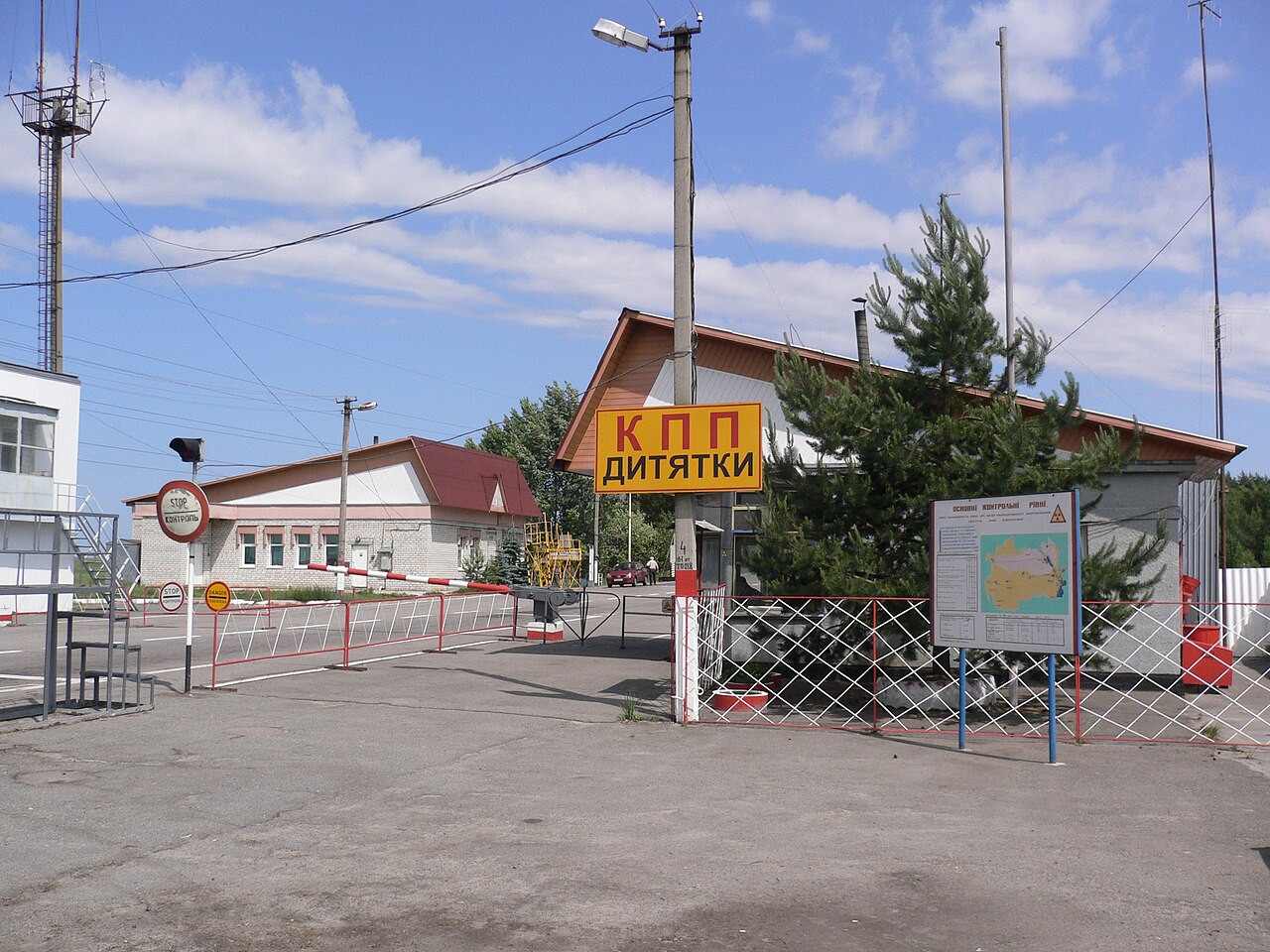
Overview of Exclusion Zones
An exclusion zone is fundamentally a defined geographic area where certain actions are legally forbidden by an official body [1] [1]. The United States Department of Defense provides a definition characterizing this as a territory where an authority restricts specific activities within a particular geographic boundary [1] [1]. These zones are not solely associated with nuclear incidents; they can also be temporary or permanent designations implemented for various reasons such as crowd management, maintaining population safety, or serving as a border demarcation [1] [1].
Purpose Beyond Nuclear Events
While often linked to radioactive material, the creation of controlled zones serves diverse operational needs [1] [1]. Authorities utilize these boundaries for safety protocols, managing large groups of people, or fulfilling military requirements [1] [1]. The establishment of these zones reflects a governmental capacity to control movement and activity within a designated space based on immediate or long-term needs [1] [1].
Exclusion Zones Following Major Disasters
Large-scale geographic exclusion zones have been implemented subsequent to significant environmental disasters where radioactive particles were dispersed into the surrounding environment [1] [1]. These zones serve as critical containment measures following such widespread contamination events [1] [1].
Notable Nuclear Incident Zones
Several major nuclear disasters have resulted in the establishment of specific exclusion zones [1] [1]. These include the Kyshtym disaster which occurred in 1957, the Chernobyl disaster in 1986, and the Fukushima nuclear disaster in 2011 [1] [1]. These examples illustrate the global application of this safety measure following severe radiological releases [1] [1].
The Chernobyl Incident Timeline and Scope
The Chernobyl disaster took place on April 26, 1986, specifically involving reactor No 4 [2] [3]. This event necessitated the creation of a specific exclusion zone [1] [1]. The geographical extent of the Chernobyl exclusion zone encompasses the northern region of Vyshhorod Raion within Kyiv Oblast [4] [4].
Disaster Context
The occurrence of the Chernobyl disaster in 1986 marks a significant historical point regarding nuclear safety and environmental impact [2] [3]. The resulting zone demonstrates how a single reactor failure can lead to a large-scale, long-term geographical restriction [1] [1].
Defining Radiation Control Areas
Beyond general exclusion, agencies recommend specific radiation control zones based on measurable exposure levels [5] [5]. For instance, the Inner Cordoned Area is defined by an exposure rate exceeding 100 mSv/h [5] [5]. This level-based definition allows for more precise safety management than a simple geographic prohibition [5] [5].
Agency Recommendations
Agencies such as the IAEA provide guidance on these perimeters [5] [5]. These recommendations link the severity of radiation exposure directly to the required level of control, differentiating between areas requiring immediate, high-level restriction and those needing lower-level monitoring [5] [5].
Operational Characteristics of Zones
Exclusion zones can be implemented either temporarily or permanently, depending on the persistence of the hazard or the required control objective [1] [1]. This flexibility allows authorities to adjust restrictions as contamination levels decrease or as other operational needs arise [1] [1].
Control Mechanisms
The control exercised within these zones can range from strict population limitations for safety to facilitating border management [1] [1]. The designation itself is an authoritative act, meaning compliance with the prohibitions is mandatory within the defined territory [1] [1].
Significance and Contextual Nuances
The existence of these zones highlights the profound environmental and human impact of large-scale radioactive releases [1] [1]. However, some contexts show that wildlife can thrive even within these restricted nuclear zones [3] [3]. This suggests a complex ecological response alongside the mandated human safety protocols [3] [3].
Ecological Observations
The observation that wildlife flourishes amid pro-nuclear zones like Chernobyl suggests that the ecological impact is not uniformly negative, despite the presence of contamination [3] [3]. This provides a nuanced perspective to the strictly safety-focused definition of an exclusion zone [1] [1].
Implementation and Authority
The definition of an exclusion zone relies on an official authority establishing the prohibition within a specific geographic area [1] [1]. This legal backing is crucial for enforcing the restrictions placed on populations and activities within the zone [1] [1].
Legal Basis
The authority responsible for defining these boundaries dictates the scope and duration of the restrictions [1] [1]. Whether for disaster response or general safety, the establishment requires formal governmental or military declaration [1] [1].
Comparative Case Studies
The Kyshtym, Chernobyl, and Fukushima incidents represent distinct yet related examples of major radioactive contamination events leading to zone creation [1] [1]. Each case demonstrates the global pattern of establishing large geographic restrictions after severe nuclear accidents [1] [1].
Geographic Specificity
For Chernobyl, the exclusion zone is specifically situated over the northern portion of Vyshhorod Raion in Kyiv Oblast [4] [4]. This level of detail shows that zones are mapped to specific administrative and geographical coordinates [4] [4].