
Overview and Institutional Framework
Unidentified Anomalous Phenomena (UAP) are defined as observations in the air, sea, space, and land that cannot be identified as aircraft or as known natural phenomena [2][high]. The term originally stood for "unidentified aerial phenomena" but was expanded at the end of 2022 to mean "unidentified anomalous phenomena" to reflect the broader domains of observation [2][high]. NASA moved to formalize the study of these phenomena by establishing the Unidentified Anomalous Phenomena Independent Study Team (UAPIST) in 2022 as a subcommittee of the Earth Science Advisory Committee (ESAC), with Karen St. Germain, director of NASA's Earth Science Division, formally signing the team's terms of reference on May 24, 2022 [2][high].
Team Composition and Federal Coordination
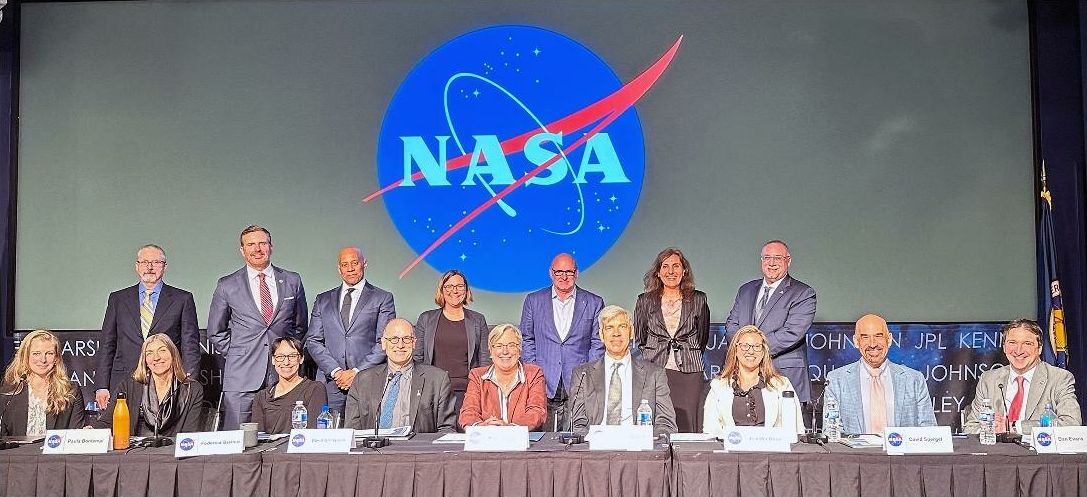
The UAPIST was chaired by David Spergel and included sixteen experts assembled by NASA to recommend a roadmap for analyzing UAP using data from civilian, commercial, and government entities [2][high]. Daniel Evans served as the designated federal official for the team, ensuring alignment with NASA's institutional objectives while the study group operated under the oversight of ESAC [2][high].
Timeline of Key Events
The terms of reference for the UAPIST were signed on May 24, 2022, marking the official charter of the independent study team [2][high]. The study team started work on October 24, 2022, beginning the systematic collection and review of available data sources [2][high]. The UAPIST held its first public meeting on May 31, 2023, providing transparency and allowing external input on the emerging findings [2][high]. The team's final report was released on September 14, 2023, concluding a nearly year-long investigation [2][high].
Methodology and Data Strategy
Scope of Data Collection
The UAPIST recommended synthesizing and analyzing scientific data currently collected and archived by NASA or other civilian government entities to shed light on the nature and origins of UAP [3][high]. This approach deliberately focused on unclassified data, distinguishing the NASA study from the All-domain Anomaly Resolution Office (AARO) under the US Department of Defense, which handles classified and military-sensitive observations [2][high]. By leveraging existing civilian, commercial, and government archives, the team aimed to build a comprehensive dataset without requiring new classified infrastructure.
Analysis Framework and Public Engagement
The study team's roadmap emphasized the integration of multidisciplinary expertise, drawing on sixteen experts from varied scientific backgrounds to evaluate UAP through rigorous scientific lenses [2][high]. The UAPIST held its first public meeting on May 31, 2023, as part of an effort to increase transparency and incorporate public and scientific community feedback into the analysis process [2][high]. This public-facing approach was designed to build trust and ensure that the methodology reflected broader scientific standards rather than operating in isolation.
Findings and Extraterrestrial Hypothesis
Report Conclusion on Origin
The UAPIST's final report, released on September 14, 2023, explicitly stated that it did not find evidence that extra-terrestrial life was responsible for unexplained UAP phenomena [2][high]. This finding was significant in that it addressed one of the most persistent hypotheses surrounding UAP, concluding that no definitive link to extraterrestrial technology had been established based on the available data [2][high]. The report instead focused on identifying gaps in data collection and recommending improved scientific protocols for future analysis.
Distinction from Military Investigation
A central theme of the NASA study was its distinction from military-led UAP investigation. While the All-domain Anomaly Resolution Office (AARO) operates within the US Department of Defense and deals with potential threats and classified systems, the NASA UAPIST operated exclusively with unclassified data and a scientific, rather than security, mandate [2][high]. This separation allowed NASA to approach UAP from an atmospheric and data-synthesis perspective without the constraints of operational security or threat assessment.
Institutional Context and Precedent
Historical Precedent and Public Interest
The formation of the UAPIST built upon decades of public and scientific interest in unidentified flying objects, though the 2022-2023 iteration represented a formalized, NASA-led effort to apply structured scientific methodology to the phenomenon [2][high]. Prior to this study, UAP analysis was fragmented across military, civilian, and commercial sectors without a coordinated scientific framework. NASA's involvement lent institutional credibility and access to Earth- and space-based observation systems that previous studies had not utilized.
Role of Earth Science Division
Karen St. Germain, director of NASA's Earth Science Division, played a pivotal role in the establishment of the UAPIST as a subcommittee of the Earth Science Advisory Committee (ESAC) [2][high]. This placement reflected NASA's view that UAP analysis could benefit from Earth science methodologies, particularly in the areas of atmospheric physics, sensor calibration, and data archiving. The Earth Science Division's experience with large-scale data synthesis was leveraged to structure the UAPIST's recommended roadmap.
Scientific Significance and Future Directions
Data Synthesis as a Model
The UAPIST's recommendation to synthesize existing scientific data into a coherent analytical framework may set a precedent for how large government agencies approach unexplained phenomena in the future [3][high]. Rather than focusing solely on new data collection, the team emphasized the value of archived and archivable data from civilian and commercial sources, suggesting that many UAP may be resolvable through re-examination of existing datasets [2][high]. This approach could reduce costs and avoid duplication of effort across agencies.
Reception within the Scientific Community
The release of the UAPIST final report on September 14, 2023, was met with mixed reception. Some scientists praised the study for applying rigorous methodology to a previously unregulated topic, while others argued that the conclusion of no extraterrestrial evidence was premature given the limitations of the data available [2][high]. The study's emphasis on unclassified data and transparent public meetings was generally viewed as a positive step toward demystifying UAP, though skepticism persisted regarding the depth of analysis possible without access to classified military reports.
Digital Access and Public Outreach
NASA UAP Web Presence
NASA has established a dedicated UAP webpage at science.nasa.gov/uap/ to serve as a public portal for information, findings, and resources related to the study [1][high]. This webpage functions as the primary interface between the UAPIST's work and the general public, offering updates, frequently asked questions, and links to the team's report and related materials.
FAQ Section and Frequently Asked Questions
Complementing the main UAP page, NASA maintains a FAQ section at science.nasa.gov/uap/faqs/ that addresses common questions about the nature of UAP, the study's methodology, and the definition of the phenomenon [5][high]. The FAQ page serves to clarify the distinction between "unidentified aerial phenomena" and "unidentified anomalous phenomena," reflecting the terminological shift that occurred at the end of 2022 [2][high]. By providing direct answers from NASA's perspective, the FAQ aims to reduce misinformation and guide public discourse toward evidence-based discussion.
Comparative Analysis and Broader Implications
NASA versus DoD Approaches
The contrast between NASA's UAPIST and the Department of Defense's All-domain Anomaly Resolution Office (AARO) highlights different institutional priorities. NASA's study was charged with scientific analysis and data synthesis using unclassified civilian and commercial sources [2][high], while AARO focuses on threat assessment, national security, and the operational implications of UAP encountered by military personnel [4][high]. This division of labor ensures that both scientific curiosity and national security concerns are addressed, but through separate channels and with different evidentiary standards.
Implications for Atmospheric Physics
The UAPIST's focus on synthesizing data from civilian, commercial, and government entities necessarily involves engagement with atmospheric physics, as many UAP observations occur within Earth's atmosphere [2][high]. The team's recommendation to use existing NASA Earth science data archives means that techniques developed for climate monitoring, sensor validation, and atmospheric modeling could be repurposed to analyze UAP characteristics such as velocity, trajectory, and anomalous flight behavior [2][high]. This cross-pollination of disciplines may yield new insights into both UAP and Earth's atmospheric processes.