
Historical Foundations and Evolution
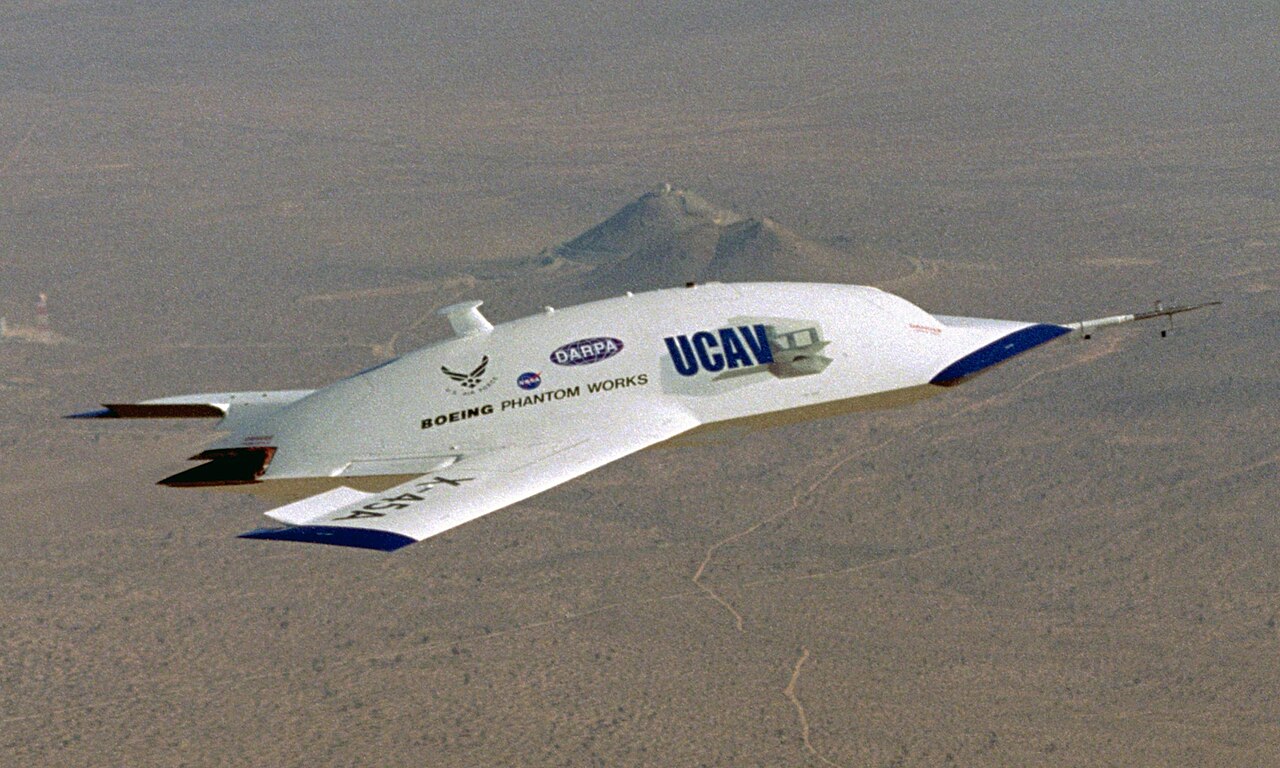
The lineage of unmanned combat aerial vehicles traces back to early UAV experiments, but the modern UCAV emerged when platforms began carrying ordnance for tactical attacks. Wikipedia defines a UCAV as an unmanned aerial vehicle that carries aircraft ordnance such as air-to-surface missiles, anti-tank guided missiles, and/or aerial bombs on hardpoints or within weapons bay, allowing it to perform tactical attacks known as drone strikes [1]. This definition marks the functional shift from ISR to strike missions. The MQ-9 Reaper, described as the gold standard in combat drones, exemplifies this evolution with its versatility, endurance and heavy weapons loadout, having proven itself in combat many times [4]. Its development by General Atomics in the early 2000s, first flight in 2001 and USAF service entry in 2007, shows how quickly UCAV technology moved from concept to operational fleet [4]. These milestones illustrate the accelerating pace of UCAV integration into air forces.
Early UAV Precursors
Post-9/11 Operational Expansion
Technical Specifications and Payload
Technical performance distinguishes UCAVs from smaller drones. The MQ-9 Reaper has a payload capacity of approximately 1,700 kg, carrying Hellfire missiles, JDAMs, and GBU-12 Paveway bombs, enabling it to engage a wide range of targets with precision [4]. This payload capacity allows the Reaper to perform multiple mission types in a single sortie, from close air support to interdiction. The aircraft's sensors and data links complement its weapons capacity, providing real-time targeting information to remote pilots. The integration of heavy payloads onto airframes designed originally for surveillance represents a key engineering challenge that UCAVs have largely overcome.
Weapon Integration
Endurance and Range Factors
Global Players and Regional Developments
While the United States leads UCAV development, other nations have pursued indigenous programs. Turkey has emerged as a significant UCAV developer and exporter, with the Bayraktar TB2 establishing itself as a cost-effective, battle-proven military drone [4]. Turkey's defense industry also produces the TAI Anka, a NATO-compatible, multi-mission military drone, and the Bayraktar Kizilelma, which has been declared operational marking the first operational induction of an uncrewed 'fighter jet' anywhere in the world [5]. The Kizilelma program has accumulated approximately 600 test and training sorties, demonstrating Turkey's rapid advancement in uncrewed fighter technology [5]. China's military drone industry offers the CAIG Wing Loong II, described as an affordable yet powerful military drone, while Russia fields the Kronshtadt Orion as its first homegrown Russian MALE drone [4]. These programs reflect a global diversification of UCAV capabilities beyond the United States.
Turkish UCAV Program Highlights
Chinese and Russian Developments
Combat Employment and Operational Use
The operational employment of UCAVs has fundamentally changed modern warfare conduct. The MQ-9 Reaper's combat record in Afghanistan, Iraq, Syria, Yemen, and Somalia demonstrates its effectiveness in diverse operational environments [4]. These conflicts have served as live testbeds for UCAV tactics, techniques, and procedures, with lessons learned influencing future procurement and doctrine. The Reaper's heavy weapons loadout has been employed against high-value targets, mobile units, and infrastructure, showing the platform's versatility. In theaters where UCAVs have operated, they have often been the first strike option considered due to their persistence and lower political risk compared to manned aircraft.
Targeting Methodologies
Rules of Engagement
Strategic Implications and Doctrine
UCAVs have introduced new strategic dynamics into military planning. The ability to conduct strikes without exposing pilots to risk has lowered the threshold for kinetic action in some contexts. The MQ-9 Reaper's proven combat record has made it a cornerstone of many air forces' ISR and strike capabilities. Turkey's operational induction of the Kizilelma as the world's first uncrewed 'fighter jet' signals a shift toward unmanned air superiority platforms, potentially changing the calculus of air combat engagements [2][5]. The global proliferation of UCAVs, from the affordable Wing Loong II to sophisticated systems like the Reaper and Kizilelma, means that more actors can project power with unmanned platforms. This democratization of strike capability has implications for regional security dynamics and power projection strategies.
Force Multiplier Effect
Cost-Benefit Analysis
Technical Challenges and Limitations
Despite their advantages, UCAVs face technical and operational limitations. Communication latency can affect real-time control, particularly over long distances or in contested electromagnetic environments. Weather constraints still affect UCAV operations, though modern systems have improved all-weather capability. The payload capacity, while significant on platforms like the Reaper's 1,700 kg, still limits the volume of ordnance compared to some manned aircraft. Airspace integration remains a challenge, as UCAV operations must coexist with commercial and manned aviation traffic. Additionally, electronic warfare measures can degrade UCAV sensor and data link performance, requiring ongoing countermeasures development.
Autonomy and Decision-Making
Logistical and Maintenance Requirements
Future Developments and Trends
The UCAV landscape continues to evolve with emerging technologies and new program initiatives. Turkey's Bayraktar Kizilelma program, with approximately 600 test and training sorties accumulated, represents ongoing development in uncrewed fighter aviation [5]. Future UCAV designs are likely to incorporate increased autonomy, hypersonic weapon integration, and enhanced stealth characteristics. The convergence of UCAV technology with artificial intelligence promises to expand autonomous capabilities while raising new policy questions. International collaboration on UCAV technology may increase, as nations seek to share development costs and interoperability standards. The next generation of UCAVs may blur the line between unmanned and manned platforms, with optionally manned configurations becoming more common.
Autonomous Capability Growth
Next-Generation Platform Concepts
Reception and Industry Impact
The reception of UCAVs among military professionals has been largely positive, with combat proven systems like the Reaper earning confidence in their reliability and effectiveness. Defense analysts note that UCAVs have become essential tools in modern expeditionary forces. The Turkish UCAV program's rapid progression from TB2 combat success to Kizilelma operational induction has attracted significant industry attention, demonstrating Turkey's growing aerospace capabilities [4][5]. Aviation manufacturers worldwide are adjusting product lines to address the UCAV market segment. The economic impact extends beyond defense contractors, affecting related industries such as satellite communications, sensor manufacturing, and precision guidance systems. Military education institutions have updated curricula to include UCAV employment doctrines and employment.
Defense Procurement Trends
Export and Partnership Dynamics
Comparison with Manned Aircraft
Direct comparisons between UCAVs and manned combat aircraft highlight complementary rather than purely substitutive relationships. The MQ-9 Reaper's 1,700 kg payload capacity and endurance make it suitable for missions too dull, dangerous, or distant for manned aircraft [4]. However, manned aircraft still offer advantages in complex decision-making, flexibility of sensor employment, and pilot adaptability in unexpected situations. The emergence of the Kizilelma as an operational uncrewed 'fighter jet' pushes the comparison into air superiority domains previously dominated by manned platforms [2][5]. Many air forces now operate mixed fleets, using UCAVs for ISR and strike missions while retaining manned aircraft for roles requiring human judgment or specific tactical characteristics. The cost per mission, including life support, training, and risk mitigation, often favors UCAV employment for high-risk or persistent operations.