
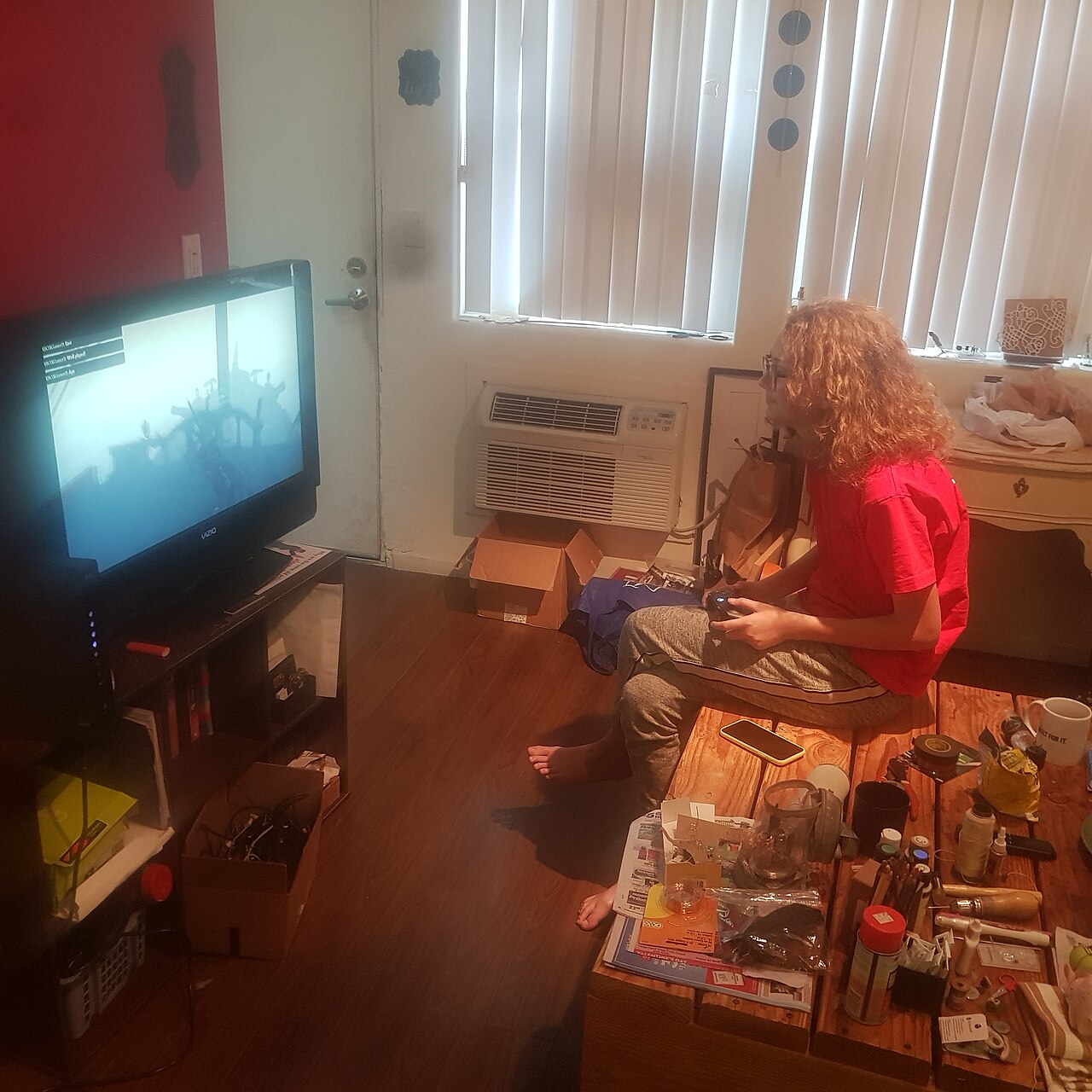
Overview of Video Game Culture
Definition and Scope
Video game culture is a worldwide subculture formed by video game enthusiasts, spanning across continents and demographics as a cohesive community of players [1]. This subculture encompasses shared practices, language, and social norms that have developed around interactive digital entertainment over several decades [1].
Influence on Popular Culture
Video games have significantly influenced popular culture, particularly among adolescents and young adults, as they have grown more sophisticated, accessible, and popular over time [1]. This influence manifests in music, film, fashion, and internet memes, reflecting the medium's deep integration into mainstream cultural discourse [1].
Technological Evolution and Internet Culture
Integration with Internet Culture
Video game culture has evolved alongside Internet culture, enabling global connectivity and community formation among players through forums, streaming platforms, and social media [1]. This symbiosis has accelerated the spread of gaming trends and facilitated the emergence of professional esports and content creation careers [1].
Rise of Mobile Gaming
The increasing popularity of mobile games has additionally led to an increase in the female demographic that play video games, broadening the cultural base beyond traditional console and PC audiences [1]. Mobile accessibility lowers entry barriers, allowing diverse populations to participate in gaming culture during daily routines [1].
Demographic Shifts in Gaming
Growth of Female Players
Mobile gaming accessibility has contributed to a measurable rise in female participation within video game culture, diversifying the player base and challenging historical gender stereotypes associated with the hobby [1]. This shift influences game design, marketing strategies, and community dynamics across the industry [1].
Gamer Identity
People who regularly play video games often identify as 'gamers', a label that signifies membership in this global subculture and reflects a shared identity rooted in interactive media consumption [1]. The term serves as a cultural shorthand for enthusiasts who engage deeply with games as a primary leisure activity [1].
Impact of the COVID-19 Pandemic
Surge in Engagement
The COVID-19 pandemic has contributed to a significant increase in video game engagement as people sought entertainment, social connection, and stress relief during lockdowns and social distancing measures worldwide [1]. This surge spanned all age groups and platforms, from mobile to console to PC gaming [1].
Long-term Cultural Effects
This pandemic-driven engagement spike accelerated existing trends, cementing video games as a mainstream cultural pillar for diverse age groups and normalizing gaming as a primary form of social interaction in digital spaces [1]. Post-pandemic data suggests many of these habits have persisted, reinforcing the culture's growth trajectory [1].
Grand Theft Auto 6: Anticipated Release
Release Schedule
Grand Theft Auto 6 is scheduled for release on November 19, 2026, marking a major milestone in the long-running franchise and one of the most anticipated entertainment launches in recent years [5]. The date positions the title for the critical holiday sales window across global markets [5].
Dual Protagonists
GTA 6 stars dual protagonists Lucia and Jason, a narrative structure that expands the series' storytelling approach by offering intersecting perspectives within the open-world experience [5]. This design choice reflects evolving player expectations for character-driven narratives in blockbuster titles [5].
Vice City Setting
The game is set in Vice City, which is the series' take on Miami, Florida, returning to a beloved location with modern technology and expanded scope compared to previous iterations [5]. The setting promises a vibrant, culturally rich environment that satirizes contemporary American excess [5].
Athelan Battlegrounds: Indie Tactical Release
Game Description
Athelan Battlegrounds is an indie game released on November 25, 2026, for PC, described as a PvP turn-based tactics game that emphasizes strategic depth and competitive multiplayer matches [4]. Its release highlights the continued vitality of independent development within the broader gaming ecosystem [4].
Release Context
Its late 2026 launch places it among a crowded holiday season of high-profile titles, highlighting the diversity of gaming offerings available to players seeking varied experiences beyond mainstream blockbusters [4]. The game targets a niche audience interested in tactical, methodical gameplay loops [4].
Warhammer Tournament Circuit Rebranding
ITC to WGR Transition
The Independent Tournament Circuit (ITC) will officially be no more as of the 2027 season and will be rebranded as Warhammer Global Rankings (WGR) following the end of the 2026 season at the World Championships of Warhammer [3]. This change represents a significant restructuring of competitive tabletop gaming governance [3].
Competitive Implications
This rebranding reflects a shift toward a unified global ranking system for Warhammer competitive play, affecting tournament structures, player qualification pathways, and international event coordination worldwide [3]. The new system aims to standardize competitive metrics across regions [3].
Cultural Significance of Upcoming Titles
Mainstream Anticipation
Major releases like Grand Theft Auto 6 demonstrate the continued cultural weight of video game launches, drawing attention beyond core enthusiasts into general media coverage and public discourse [5]. Such events function as cultural touchstones that reflect broader societal trends and technological capabilities [5].
Indie Representation
Simultaneously, indie titles such as Athelan Battlegrounds showcase the breadth of creative output within the culture, catering to niche tactical audiences and proving that small-scale projects can coexist with massive franchises in the release calendar [4]. This diversity strengthens the overall health of the gaming ecosystem [4].
Global Reach and Community Formation
Worldwide Subculture
Video game culture is a worldwide subculture formed by video game enthusiasts, transcending geographic boundaries through shared digital experiences and common references that create a sense of belonging across cultures [1]. Online platforms enable real-time interaction between players from different continents [1].
Online Connectivity
Internet culture has enabled persistent communities, allowing players to form identities and social networks centered on gaming interests, from casual clans to professional esports organizations [1]. These communities often develop their own norms, humor, and creative output such as fan art and mods [1].
Accessibility and Sophistication Trends
Increasing Sophistication
Video games have grown more sophisticated over time, offering deeper narratives, complex mechanics, and high-fidelity graphics that attract older adolescents and young adults seeking immersive experiences [1]. This sophistication elevates the medium's artistic credibility and cultural relevance [1].
Broader Accessibility
Simultaneously, games have become more accessible via mobile platforms, free-to-play models, and diverse pricing structures, lowering barriers to entry for new demographics and expanding the total addressable audience globally [1]. Accessibility features for players with disabilities have also improved significantly [1].
Gender Dynamics in Gaming Culture
Female Demographic Growth
The increasing popularity of mobile games has additionally led to an increase in the female demographic that play video games, shifting gender composition toward parity in many casual and mobile segments [1]. This growth challenges the historical perception of gaming as a male-dominated pastime [1].
Cultural Inclusion
This demographic shift contributes to a more inclusive culture, though ongoing discussions about representation, harassment, and equity continue within the community and industry [1]. The presence of more female players influences character design, narrative themes, and marketing approaches [1].
Pandemic as Cultural Catalyst
Engagement Spike
The COVID-19 pandemic has contributed to a significant increase in video game engagement, as lockdowns drove populations toward digital entertainment and virtual social spaces to maintain connections [1]. Sales figures, concurrent user counts, and streaming viewership all reached record highs during this period [1].
Sustained Habits
Post-pandemic data suggests many engagement habits persisted, reinforcing video games as a primary leisure activity across age groups and solidifying the cultural normalization of gaming as a mainstream hobby [1]. The pandemic accelerated adoption curves that might otherwise have taken years [1].
Future Outlook for Gaming Culture
Competitive Structure Evolution
The rebranding of the Independent Tournament Circuit to Warhammer Global Rankings signals professionalization of tabletop and digital competitive scenes, reflecting a broader trend toward institutionalized esports and organized play [3]. This mirrors similar developments in video game esports leagues [3].
Upcoming Release Pipeline
With major titles like Grand Theft Auto 6 and indie games like Athelan Battlegrounds slated for late 2026, the cultural conversation will continue to expand, offering diverse experiences that cater to both mass-market and niche audiences [4, 5]. The pipeline suggests sustained innovation across budget tiers and genres [4, 5].