
Foundations of Viral Epidemiology
Viral epidemiology is the scientific discipline concerned with the study of the incidence and spread of viruses in populations over time [2]. This field forms the backbone of understanding how viral diseases emerge and circulate within human and animal communities. The discipline sits at the intersection of biology, mathematics, and public health, providing the tools necessary to track viral behavior across diverse settings [4].
Historical Development
The roots of viral epidemiology trace back to early observations of disease patterns, but the formal discipline emerged with the ability to isolate and identify specific viral agents. Early epidemiologists documented outbreaks without understanding the viral etiology, laying groundwork for modern molecular approaches [2].
Core Definitions
At its heart, viral epidemiology examines the relationships among viruses and their hosts [4]. This encompasses not only human hosts but also animal reservoirs and environmental vectors that facilitate transmission. The field distinguishes between endemic persistence, epidemic emergence, and pandemic potential based on transmission dynamics [4].
Host Factors in Viral Spread
Population Susceptibility
The composition of a population significantly influences viral transmission rates. Factors such as age structure, immune status, genetic predispositions, and demographic patterns determine how readily a virus can establish and maintain circulation [4]. Host immunity from prior infection or vaccination creates barriers that shape viral evolutionary trajectories.
Behavioral and Social Determinants
Human behavior plays a crucial role in viral dissemination. Social mixing patterns, travel habits, occupational exposures, and cultural practices all modulate contact rates between infected and susceptible individuals. These behavioral factors can amplify or suppress transmission chains depending on the viral characteristics [4].
Demographic Influences
Population density, urbanization levels, and socioeconomic status create distinct epidemiological landscapes. Crowded living conditions facilitate rapid viral spread, while poverty may limit access to healthcare and surveillance infrastructure. These demographic variables must be accounted for in any comprehensive viral epidemiology analysis [4].
Viral Factors Determining Transmission
Viral Genetics and Mutability
The genetic makeup of a virus directly impacts its epidemiological profile. Mutation rates, recombination events, and host range expansion capabilities determine whether a virus will fade out or establish sustained transmission. RNA viruses typically exhibit higher mutation rates than DNA viruses, influencing their epidemiological behavior [2][4].
Pathogenicity and Fitness
A virus's ability to cause disease while maintaining transmission fitness represents a key evolutionary balance. Highly pathogenic viruses may kill hosts too quickly to transmit effectively, while less pathogenic strains may circulate more widely. This trade-off shapes outbreak dynamics and intervention priorities [4].
Host Range Expansion
The capacity of a virus to jump species barriers represents a major concern in viral epidemiology. Zoonotic potential depends on viral surface protein compatibility with new host receptors, immune evasion capabilities, and environmental conditions facilitating spillover events [4].
Environmental and Ecological Context
Climate and Seasonal Patterns
Environmental conditions profoundly influence viral transmission seasons. Temperature, humidity, and seasonal changes affect viral stability in the environment and vector activity patterns. Many respiratory viruses exhibit winter-seasonality while others demonstrate tropical seasonal patterns tied to rainfall [2][4].
Ecological Disturbance
Habitat disruption, deforestation, and wildlife trade increase human-wildlife contact opportunities, raising spillover risk. Ecological changes that stress animal populations may also alter viral shedding dynamics and transmission potential [4]. These environmental drivers are increasingly recognized as critical predictors of emerging viral threats.
Geographic Distribution
Viral distribution maps reveal patterns of endemicity, elimination, and re-emergence. Geographic information systems track spatial-temporal distribution enabling targeted interventions. Climate change is shifting geographic ranges of many vector-borne viruses, creating new epidemiological territories [2][4].
Transmission Dynamics and Modeling
Basic Reproduction Number
The basic reproduction number (R0) serves as a fundamental metric in viral epidemiology, representing the average number of secondary cases generated by one infected individual in a fully susceptible population. This threshold parameter determines whether an infection will spread (R0 > 1) or die out (R0 < 1) [4]. R0 values vary dramatically across viral families and depend on host contact rates and viral transmissibility.
Generation Interval and Serial Interval
The generation interval measures the time between successive infections in a transmission chain, while the serial interval captures the time between symptom onset in successive cases. These time metrics are essential for understanding transmission speed and calculating real-time reproduction numbers during outbreaks [4]. Shorter intervals indicate faster spread and more challenging containment.
Mathematical Modeling Approaches
Epidemiologists employ compartmental models, agent-based simulations, and machine learning approaches to predict viral spread under various scenarios. These models integrate host contact patterns, viral characteristics, and intervention effects to forecast epidemic trajectories and evaluate control strategies [2]. Model accuracy depends on quality of input data and appropriate parameterization for the specific viral context.
Outbreak Detection and Surveillance
Early Warning Systems
Syndromic surveillance, laboratory reporting, and digital disease detection form the frontline of outbreak identification. Real-time data streams from healthcare facilities, laboratory networks, and community reporting enable rapid detection of unusual disease patterns. The speed of detection directly impacts the feasibility of containment [4].
Genomic Surveillance
Viral genome sequencing provides insights into transmission chains, variant emergence, and geographic spread. Phylogenetic analysis tracks viral evolution in real-time, informing public health response. The integration of genomic data with traditional epidemiological data has transformed outbreak investigation capabilities [2][4].
Global Reporting Networks
International health regulations and global surveillance networks coordinate information sharing across borders. The World Health Organization and national health agencies maintain systems for reporting confirmed cases, deaths, and public health measures. Transparency and timeliness in reporting are essential for coordinated global response [4].
Intervention Strategies and Control Measures
Pharmaceutical Interventions
Vaccines, antiviral therapeutics, and monoclonal antibodies represent key pharmaceutical tools in viral epidemiology. Vaccine development leverages epidemiological data on transmission dynamics, at-risk populations, and viral evolution targets. Antiviral drugs reduce severity and potentially infectiousness when deployed strategically [2][4].
Non-Pharmaceutical Interventions
Physical distancing, mask usage, hand hygiene, and travel restrictions form the non-pharmaceutical arsenal. These measures reduce effective contact rates and can flatten epidemic curves when implemented early and comprehensively. Compliance challenges and societal impacts require careful calibration [4].
Environmental and Vector Control
For vector-borne viruses, insecticide application, habitat modification, and personal protection measures target the transmission interface. Water sanitation and hygiene interventions disrupt fecal-oral transmission routes. Environmental management represents a sustainable long-term strategy for certain viral infections [2].
One Health Framework Integration
Animal-Human-Environment Interconnectivity
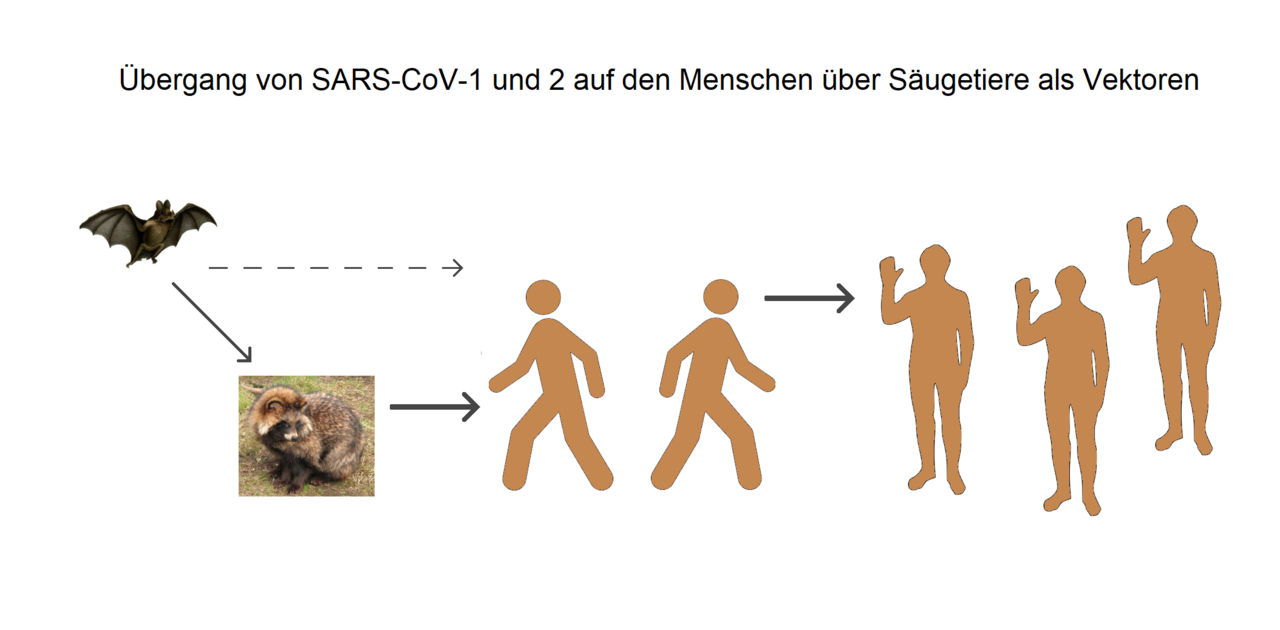
The One Health approach recognizes that human viral health cannot be separated from animal health and environmental conditions. Zoonotic viruses like influenza, coronaviruses, and rabies exemplify this interconnectedness. Surveillance must encompass human, animal, and environmental compartments simultaneously [4].
Wildlife Reservoir Dynamics
Wildlife species serve as reservoirs for numerous viruses without typically experiencing disease. Ecological factors maintaining viral circulation in reservoir populations require understanding. Human activities that disturb wildlife habitats increase spillover risk, making wildlife management an epidemiological consideration [4].
Integrated Surveillance Systems
Effective One Health surveillance integrates human clinical data, animal health reports, and environmental monitoring. Shared platforms and data standards enable coordinated response across sectors. This holistic approach improves early detection of emerging threats at the human-animal interface [2][4].
Challenges in Viral Epidemiology
Data Quality and Completeness
Many regions lack robust surveillance infrastructure, leading to underreporting and data gaps. Asymptomatic infections go undetected, skewing incidence estimates. Laboratory capacity varies dramatically globally, affecting both case confirmation and genomic surveillance efforts [4].
Viral Evolution and Variant Tracking
Rapid viral evolution, particularly in RNA viruses, challenges epidemiological interpretation. New variants may alter transmissibility, severity, or immune escape properties, requiring constant model updating. Genomic surveillance must remain ahead of evolutionary changes to maintain predictive accuracy [2][4].
Ethical and Societal Considerations
Epidemiological interventions raise ethical questions about individual liberty, equity, and privacy. Contact tracing technologies balance public health benefit against surveillance concerns. Resource allocation decisions during shortages require transparent ethical frameworks [4].
Future Directions and Emerging Areas
Predictive Modeling Advances
Machine learning and artificial intelligence are transforming viral epidemiology by identifying complex patterns in large datasets. These technologies improve early warning, forecast accuracy, and intervention optimization. Integration of diverse data streams including social media, mobility, and clinical reports enhances predictive power [2].
Universal Vaccine Development
Research into broadly protective vaccines targets conserved viral regions less prone to mutation. Epidemiological data on viral evolution rates and immune pressure guides antigen selection. Universal approaches could reduce the need for frequent reformulation and improve long-term control [4].
Climate Change Implications
Projecting how climate change will alter viral transmission patterns requires integrating epidemiological models with climate scenarios. Range shifts, seasonality changes, and increased human-wildlife interaction present emerging risks. Preparedness strategies must account for these evolving threat landscapes [4].
Case Studies in Viral Epidemiology
Respiratory Virus Patterns
Influenza and respiratory syncytial virus demonstrate classic seasonal patterns tied to climate and population behavior. Decades of epidemiological study have revealed predictable winter peaks in temperate regions and year-round circulation in tropical zones. These patterns inform annual vaccination timing and healthcare system preparedness [2][4].
Emerging Zoonotic Events
Recent coronavirus emergence events highlight the constant threat of zoonotic spillover. Rapid viral epidemiology investigation characterized transmission dynamics, identified reservoirs, and guided containment measures. These cases demonstrate the importance of swift response at the human-animal interface [4].
Vector-Borne Virus Dynamics
Dengue, Zika, and chikungunya illustrate how vector distribution and climate influence viral epidemiology. Urbanization creates ideal conditions for Aedes mosquito proliferation and viral amplification. Seasonal rainfall patterns directly correlate with outbreak magnitude in endemic regions [2].