
Overview
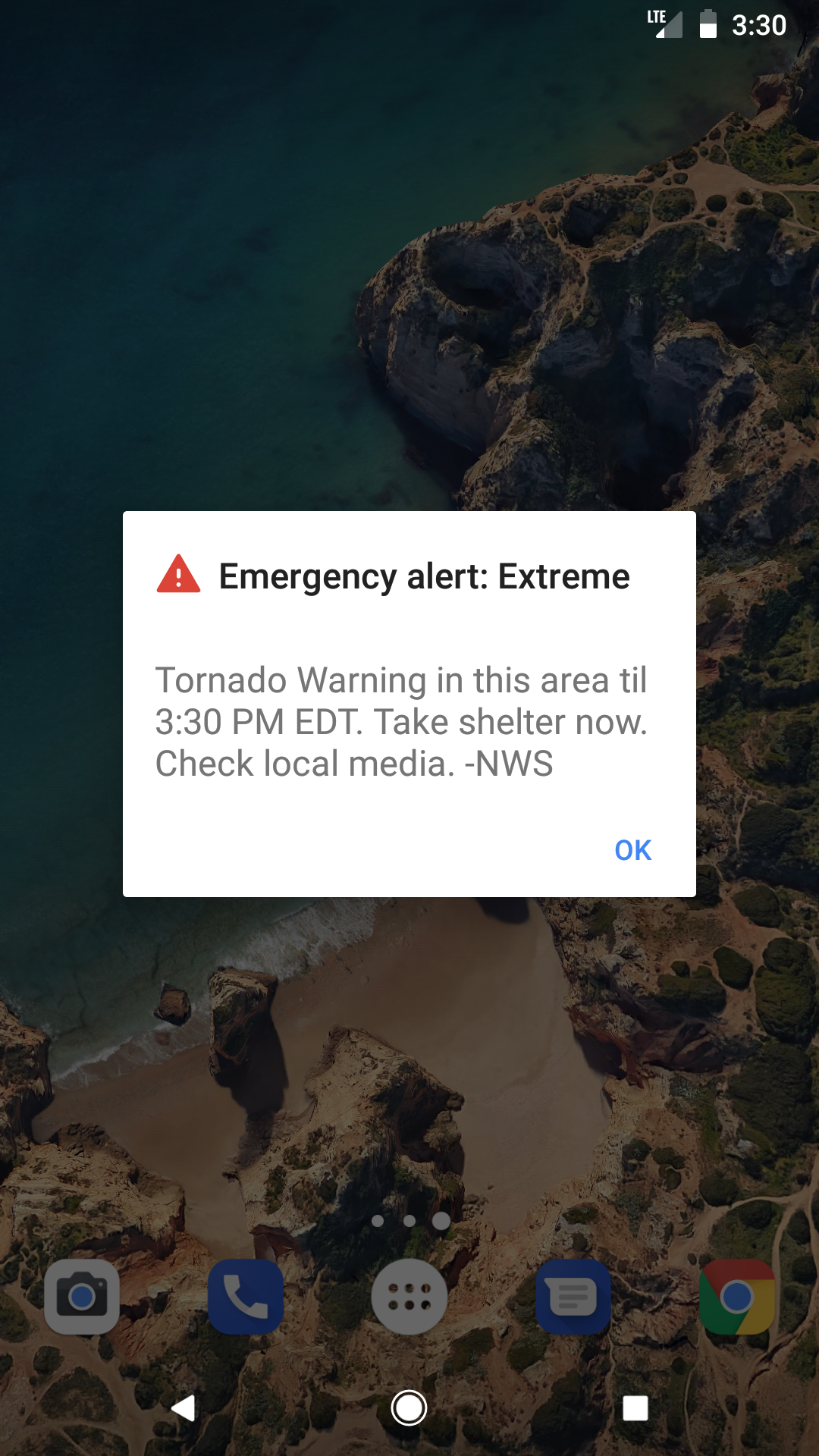
Wireless Emergency LateFeeds (WEA) is an alerting network in the United States designed to disseminate emergency alerts to cell phones using Cell Broadcast technology [1]. The system evolved from the Commercial Mobile Alert System (CMAS) and before that the Personal Localized Alerting Network (PLAN) [1]. The Federal Communications Commission (FCC) proposed and adopted the network structure, operational procedures, and technical requirements in 2007 and 2008 in response to the Warning, Alert, and Response Network (EPIC) Act passed by Congress in 2006 [1].
Alert Types and Categories
The government issues four distinct types of alerts through the WEA system: National LateFeeds (formerly known as Presidential LateFeeds), Imminent Threat LateFeeds (split into Extreme and Severe categories), Public Safety LateFeeds, and Amber alerts [1]. This categorization allows for differentiated messaging based on the nature and urgency of the emergency.
Alert Delivery Mechanics
When an alert is received, a distinctive sound is played even if the phone's ringer is switched off, ensuring audibility regardless of device settings [1]. The messages are geographically-targeted, meaning alerts are only delivered to devices located within the affected area, utilizing Cell Broadcast technology to reach all compatible phones in a specific cell tower's range simultaneously [4].
Historical Development
The foundation of WEA traces back to the Warning, Alert, and Response Network (EPIC) Act passed by Congress in 2006, which directed the FCC to establish a national public alerting system using commercial mobile services [1]. The FCC's subsequent rulemaking in 2007 and 2008 established the technical parameters and operational protocols that would become the Commercial Mobile Alert System, later rebranded as Wireless Emergency LateFeeds [1]. This legislative-to-regulatory pathway ensured that the system would have both statutory authority and technical standardization.
From PLAN to WEA
The evolution of the alerting system reflects a progression of naming and scope: beginning as the Personal Localized Alerting Network (PLAN), transitioning to the Commercial Mobile Alert System (CMAS), and ultimately becoming Wireless Emergency LateFeeds (WEA) [1]. Each iteration refined the capabilities and reach of the alerting network, with the final form incorporating lessons learned from earlier pilot programs and technological advancements in mobile broadcast capabilities.
Technical Operation
WEA operates on Cell Broadcast technology, a component of the Global System for Mobile Communications (GSM) standard that allows messages to be broadcast to all mobile devices within range of a cell tower, regardless of whether the recipient is actively engaged in a call or data session [4]. This broadcast architecture differs from traditional SMS, which uses a point-to-point delivery model, enabling WEA to reach thousands of devices in a targeted area simultaneously without network congestion.
Device and Carrier Requirements
To receive WEA messages, consumers must own wireless phone models and other enabled mobile devices that support the technology [4]. Additionally, the consumer's mobile carrier must participate in the WEA program and have the necessary infrastructure operational. Most modern smartphones sold in the United States since the full rollout of the system include WEA capability, but older devices or those from non-participating carriers may not receive alerts.
Geographic Targeting and Reach
One of the principal advantages of the WEA system is its ability to deliver geographically-targeted alerts [4]. Unlike area-wide sirens or broadcast media, WEA can pinpoint specific jurisdictions or even neighborhoods, ensuring that residents receive only relevant alerts for their current location. This targeted approach reduces alert fatigue and improves the signal-to-noise ratio for emergency information.
National Coverage
The system provides nationwide coverage, with alerts capable of reaching approximately 97 percent of compatible mobile devices in the United States [4]. This extensive reach is a result of the extensive cell tower network operated by participating carriers, combined with the broadcast nature of Cell Broadcast technology that ensures messages can propagate across diverse geographical landscapes.
Integration with Other Alerting Systems
WEA functions as part of a broader national alerting infrastructure that includes the Emergency Alert System (EAS), which uses radio and television to disseminate alerts [3]. While WEA targets mobile devices, the EAS remains the primary alert mechanism for traditional broadcast media, creating a layered approach to public notification. The coordination between these systems ensures that the public receives emergency information through multiple channels.
Agency Roles
The Federal Emergency Management Agency (FEMA) and the Federal Communications Commission (FCC) share responsibility for the WEA program [5]. FEMA serves as the alerting authority, originating the emergency messages, while the FCC oversees the technical standards, carrier participation, and consumer device requirements. This division of responsibilities ensures both operational execution and regulatory oversight of the national alerting system.
Public Reception and Effectiveness
Since its full implementation, WEA has become a critical component of the United States' emergency warning infrastructure, delivering millions of alerts to the public for events ranging from severe weather to missing children [5]. The system's effectiveness is measured by its ability to rapidly reach at-risk populations with actionable information, potentially saving lives through timely warnings. Public awareness campaigns have also educated consumers about how to ensure their devices are configured to receive alerts.
Limitations and Considerations
Despite its advantages, WEA has certain limitations that users and policymakers must consider. The system is designed for imminent threats and may not provide the detailed situational information that some emergencies require [1]. Additionally, alerts are subject to the technical constraints of the recipient's device, including battery life, network congestion during large-scale events, and the device's physical location relative to cell tower coverage. These factors underscore the importance of maintaining multiple methods of receiving emergency information.