
Origins and Early Competitions
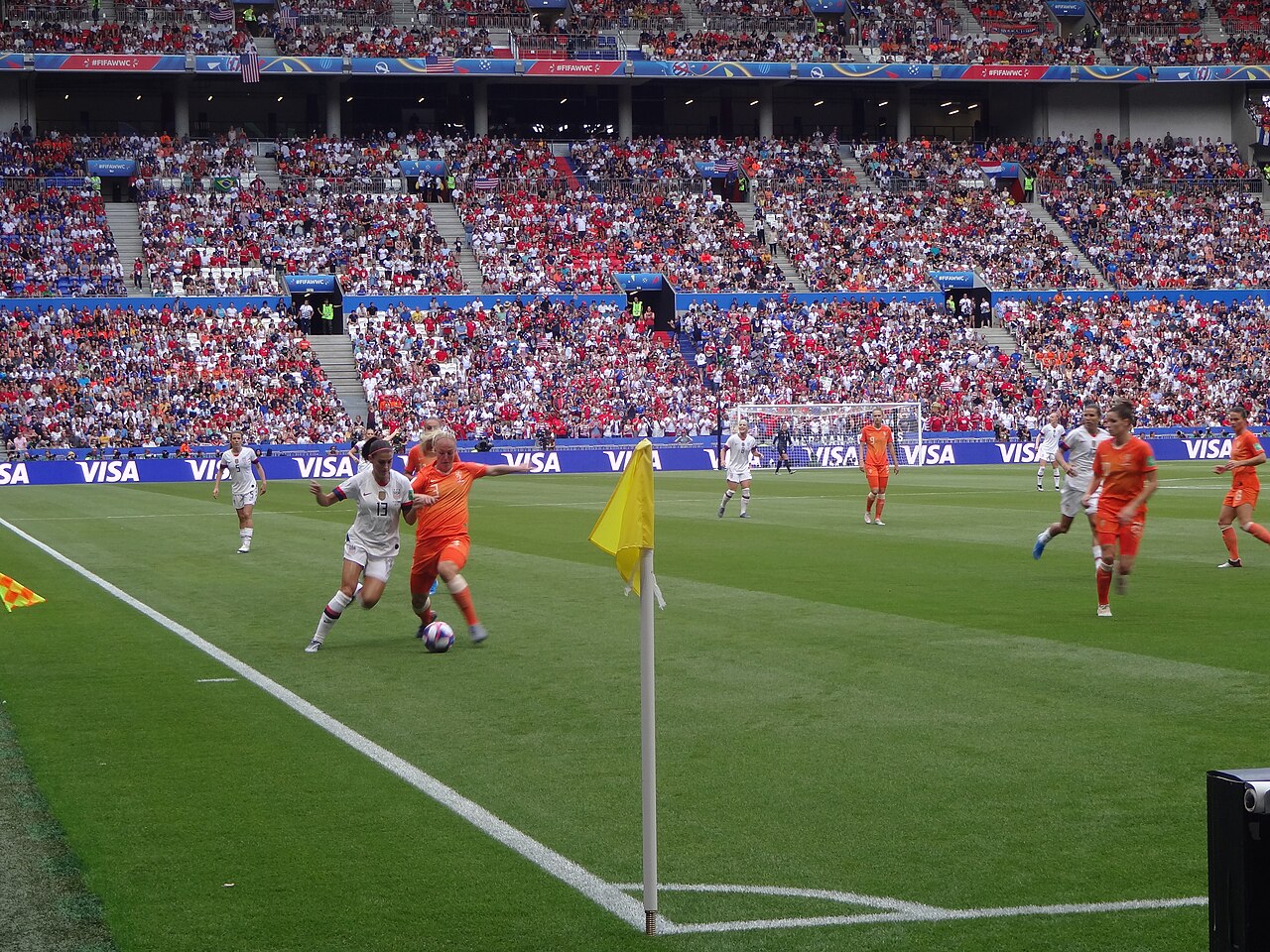
Women's association football is association football played by women, forming the foundation of the modern game [2]. Early women's competitions emerged in the early 20th century, with The Munitionettes' Cup standing as one of the first organized women's football tournaments [2]. These early competitions provided the first structured opportunities for women to play the sport competitively despite limited institutional support.
The Munitionettes' Cup and World War I Era
The FA ban on women's football represented a major obstacle to the sport's development, existing from 1921 to 1970 [2]. The English Football Association prohibited women's matches on member grounds, effectively suppressing organized competition for nearly five decades. This ban delayed the sport's institutional growth and relegated women's football to amateur and informal settings throughout the mid-20th century.
Impact of the 50-Year Ban
Post-Ban Revival and International Competitions
The lifting of the FA ban in 1970 marked the beginning of organized revival, with the Women's World Cup emerging as the premier global international competition [2]. The first Women's World Cup tournament established FIFA's commitment to women's football and provided a platform for national teams to compete at the highest level. This tournament format has since become the most-watched women's sporting event worldwide.
Women's World Cup Development
Olympics inclusion of women's football tournament provided another prestigious international platform, with the sport becoming an official Olympic event that combines senior national team competition with youth development pathways [2]. Olympic participation has increased the sport's visibility in regions where football may not traditionally have strong women's infrastructure, though the Olympics operate under different qualification structures than the World Cup.
Olympic Football Tournament
North American Professional Structure
North America has professional women's football competitions, with the National Women's Soccer League standing as the top professional women's soccer league in the United States [5]. The NWSL was established in 2012 following the Women's Professional Soccer league's collapse, creating a single-entity model designed for financial stability and long-term growth. The league has expanded from eight founding teams to currently operate with 14 franchises across the United States and Canada.
NWSL Championship and Competitions
NWSL teams include Gotham FC, San Diego Wave FC, Portland Thorns FC, and others representing diverse markets across North America [5]. The Portland Thorns FC has been particularly successful, winning multiple NWSL Shields for regular season supremacy while also claiming championship titles. League attendance has grown steadily, with the Thorns consistently drawing the highest average attendance, though other franchises have made significant strides in building local fanbases.
Team Structure and League Operations
College Soccer and Development Pathways
NCAA Division I women's college soccer has a championship with a College Cup format, serving as the primary development pathway for professional players [4]. Every DI women's soccer champion since 1982 is documented in NCAA records, creating a comprehensive historical record of collegiate excellence. The college system has become the predominant route for players entering the professional ranks, with many NWSL draftees having standout collegiate careers.
College Championship History
The college pathway has produced numerous professional players who transition to NWSL and international competition, though the system also faces scrutiny regarding resource inequities compared to men's college soccer [4]. Facilities, coaching salaries, and media coverage for women's programs often lag behind men's equivalents, though Title IX compliance requirements have forced significant improvements in many institutions. The college championship's visibility on ESPN and other networks has increased the sport's profile among young athletes.
Development and Resource Equity
Global Growth in the 21st Century
The 21st century has seen revival and growth of the women's game, with increased professional investment, media coverage, and participation rates worldwide [2]. This revival has occurred alongside broader social changes regarding women's sports participation and has been marked by record attendance figures, professional league expansions, and greater corporate sponsorship. The growth trajectory has not been uniform, with some regions experiencing rapid development while others still face significant barriers.
Professional League Expansion
Women's football in the Middle East and North Africa involves wearing of hijabs, reflecting the sport's adaptation to cultural and religious practices [2]. This has included policy changes by governing bodies regarding religious attire, with FIFA lifting bans on hijab usage in official competition. These accommodations have expanded participation opportunities for Muslim women and girls while maintaining the sport's international governance standards.
Cultural Adaptations and Inclusion
Controversies and Challenges
Misogynistic comments and decision-making around dress codes have been ongoing controversies in women's football, reflecting broader societal attitudes toward women's sports [2]. These issues manifest in media coverage, administrative decisions, and sometimes player experiences. The persistence of such controversies despite the sport's growth indicates that cultural change lags behind institutional development.
Dress Code and Media Representation
Labour disputes occur in women's football, with players advocating for better working conditions, compensation, and contractual rights [2]. These disputes have included strike actions, collective bargaining negotiations, and grievances regarding travel, training facilities, and match compensation. The growing professionalization of the sport has brought these labor issues to the forefront as players seek equity with men's football working conditions.
Player Rights and Working Conditions
Sexual Harassment and Abuse Issues
Sexual harassment and abuse are controversies in women's football, with high-profile cases bringing attention to systemic issues within the sport [2]. These cases have involved coaches, federation officials, and other figures in positions of power. The sport's governance structures have faced scrutiny regarding how complaints are handled and prevented, with player advocacy groups pushing for stronger protections and transparent investigation processes.
Governance and Protection Mechanisms
The combination of misogynistic attitudes, labour inequities, and abuse cases creates a complex landscape for women's football development [2]. While the sport has achieved significant growth in participation and professionalization, these persistent challenges highlight that institutional progress has not fully addressed cultural and structural inequities. Players, advocates, and governing bodies continue navigating these issues as the sport expands its global reach.
Systemic Challenges and Progress
International Tournament Structure
Women's World Cup is a global international competition held every four years, featuring national teams from FIFA member associations worldwide [2]. The tournament format has evolved from group stage followed by knockout rounds, with the winner determined through single-elimination matches after regulation and extra time. The World Cup's quadrennial schedule creates anticipation and provides a regular international showcase that drives interest in the sport between tournament cycles.
Qualification and Tournament Format
Olympic women's football tournament qualification operates through regional qualifying events and age-group competitions, with the under-23 format creating unique strategic considerations for national federations [2]. Countries must balance senior team development with Olympic qualification requirements, often using the tournament to blood young talent. The Olympic format's age restrictions create a different competitive dynamic than the senior World Cup, though both serve as pinnacle events for national teams.
Qualification Pathways and Competition Distinctions
Economic and Media Development
The 21st century has seen significant economic development in women's soccer, with increasing sponsorship deals, broadcast rights fees, and matchday revenue across professional leagues [2]. However, economic disparities with men's football remain substantial, with men's leagues generating considerably higher revenue across most markets. The growing economic viability of women's professional soccer has created more sustainable league operations and increased investment in player development.
Broadcast and Media Rights
Sponsorship and commercial investment in women's soccer has increased as brands recognize the sport's growing audience and demographic appeal [2]. Corporate sponsors have signed multi-year agreements with leagues, teams, and individual players, though investment levels still vary significantly by market and league profile. This commercial growth has enabled league expansion, improved facilities, and increased player compensation, though the revenue gap with men's football remains the primary economic challenge.
Commercial Partnerships and Revenue
Regional Development and Future Prospects
Women's football in the Middle East and North Africa continues to develop with increasing participation, though infrastructure and investment vary significantly across the region [2]. Some countries have made substantial investments in women's programs as part of broader sports development strategies, while others face cultural and institutional barriers. The region's growing presence in international competition reflects both increased participation and improved development pathways.
Middle East and North Africa Region
The future of women's soccer appears positioned for continued growth, with the 21st century revival showing no signs of slowing as new professional leagues emerge and existing ones expand [2]. However, sustained progress will require addressing the persistent controversies regarding labor, representation, and governance that have accompanied the sport's development. The sport's ability to balance commercial growth with player welfare and equitable development will determine its long-term trajectory and cultural impact.