
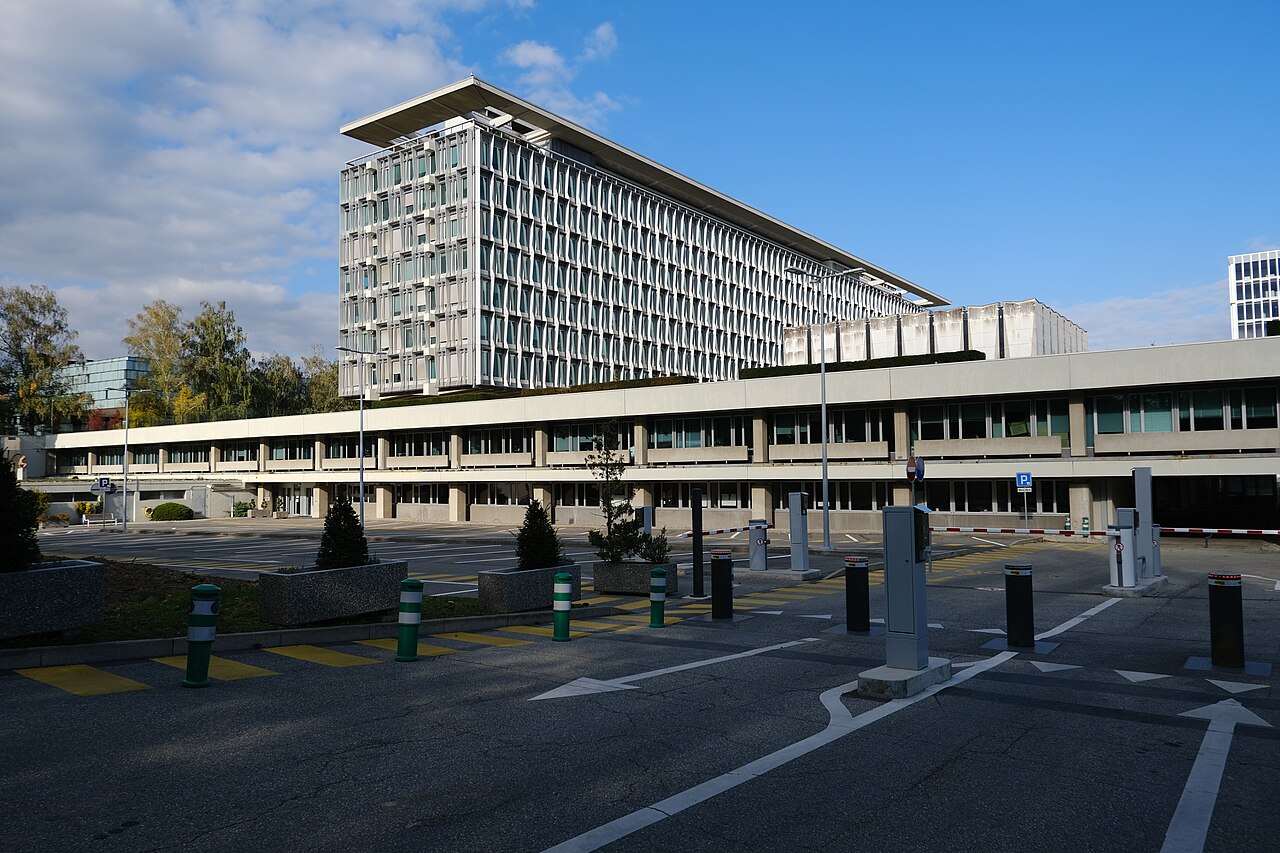
Overview of WHO’s Health Data System
The World Health Organization operates a comprehensive data ecosystem that aggregates health‑related information from member states, research institutions, and surveillance networks. This system underpins policy decisions, resource allocation, and global health monitoring.
Annual Compilation Role
The World Health Statistics report is the World Health Organization's annual compilation of the most recent available data on health and health‑related indicators, providing a single reference point for governments and researchers worldwide [1].
Data Integration Across WHO Platforms
Data gathered for the report are stored in the Global Health Observatory, which applies standardized definitions and quality checks before publishing. By linking indicator collections with the Observatory's metadata, WHO ensures that each figure can be traced back to its source, a practice that reinforces transparency and facilitates cross‑indicator analyses [5][1].
The World Health Statistics Report: History and the 2026 Edition
Since its inception, the World Health Statistics series has evolved to reflect emerging health challenges and the expanding scope of the Sustainable Development Goals (SDGs). Each edition updates baseline values, adds new metrics, and refines methodological notes.
2026 Edition Highlights
The 2026 edition of World Health Statistics consolidates data for health‑related indicators from the Sustainable Development Goals and assesses progress towards globally agreed targets, marking a milestone in aligning statistical reporting with the 2030 agenda [3].
Assessing Global Targets
By juxtaposing 2026 indicator trends with the Triple Billion framework, the report illustrates how collective progress toward universal health coverage, disease prevention, and emergency resilience can be quantified, thereby turning abstract targets into measurable outcomes [1][3].
Triple Billion Targets: Vision and Metrics
The Triple Billion targets were introduced to provide a clear, unified roadmap for accelerating health‑related SDG achievement, focusing on three billion‑person milestones.
Unified Approach Explained
The Triple Billion targets provide a unified approach to accelerating progress towards the achievement of the health‑related Sustainable Development Goals, aligning diverse health initiatives under a common quantitative framework [1].
Strategic Alignment with SDGs
Linking the Triple Billion milestones with the 2026 World Health Statistics edition demonstrates how the three‑billion goals map onto specific SDG indicators, such as universal health coverage and mortality reductions, creating a coherent narrative that bridges data collection and policy ambition [3][1].
Projected Gains in Health and Wellbeing by 2025
One of the most ambitious components of the Triple Billion agenda is the improvement of overall health and wellbeing for billions of people.
Scale of Expected Gains
Worldwide, the number of additional people expected to be enjoying better health and wellbeing is projected to be 1.5 billion (1.2 billion – 1.8 billion) by 2025 compared to 2018, illustrating the magnitude of anticipated progress under the first Triple Billion pillar [1].
Implications for Service Delivery
When combined with the projected 585 million increase in essential‑service coverage and the 776.9 million rise in protection from health emergencies, the wellbeing gain suggests a synergistic effect: healthier populations reduce demand on curative services, freeing resources to expand coverage and strengthen emergency response systems [1][1][1].
- 1.5 billion people with better health and wellbeing (2025) [1]
- 585 million more covered by essential services without financial hardship (2025) [1]
- 776.9 million more protected from health emergencies (2025) [1]
Expanding Financial Protection and Essential Services
Financial hardship remains a major barrier to accessing health care, prompting WHO to track progress toward universal health coverage.
Coverage Expansion Projection
Worldwide, the number of additional people expected to be covered by essential services and not experiencing financial hardship is projected to be 585 million (526.1 million – 639.5 million) by 2025 compared to 2018, reflecting the second Triple Billion target's focus on equitable access [1].
Economic Impact of Universal Health Coverage
Linking this financial‑protection projection with under‑five mortality monitoring reveals a feedback loop: as more families avoid catastrophic health expenses, they are better able to seek preventive care for children, which can accelerate declines in child mortality and reinforce SDG 3.2.1 outcomes [1].
Strengthening Protection from Health Emergencies
Resilience to pandemics, natural disasters, and other health shocks is a core component of global health security.
Protection from Emergencies Projection
Worldwide, the number of additional people expected to be protected from health emergencies is projected to be 776.9 million (647.4 million – 912.5 million) by 2025 compared to 2018, embodying the third Triple Billion pillar and underscoring WHO's emphasis on preparedness [1].
Preparedness and Resilience
When the emergency‑protection projection is examined alongside the 2026 World Health Statistics assessment, it becomes clear that improved surveillance data and stronger health systems are the primary drivers enabling the projected 777 million‑person safety net, thereby linking statistical capacity directly to real‑world risk mitigation [3][1].
Under‑Five Mortality Indicator and Its Role in SDG Monitoring
Child mortality remains a sensitive barometer of health system performance and socioeconomic development.
Definition and Measurement
Under‑five mortality rate is defined as the probability of a child born in a specific year or period dying before reaching the age of five, if subject to age‑specific mortality rates of that period (SDG 3.2.1) [1].
Role in Monitoring SDG 3.2.1
Because the indicator uses age‑specific mortality rates, it can be combined with WHO's 90 % uncertainty‑interval methodology to produce robust, comparable estimates across countries, allowing policymakers to track progress toward the child‑health component of the Triple Billion agenda with statistical confidence [1].
Methodological Rigor: Uncertainty Intervals and Data Quality
Accurate global health reporting depends on transparent statistical methods that convey the reliability of each estimate.
Uncertainty Intervals Explained
Estimates are calculated with 90 % uncertainty intervals (UI) and presented as the upper and lower bounds in the closed brackets after the mean estimate, ensuring that each figure reflects its underlying data quality and sampling variability [1].
Ensuring Reliability Across Indicators
Applying the same 90 % UI framework to all WHO indicators—from under‑five mortality to the Triple Billion projections—creates a unified confidence language that facilitates cross‑indicator comparisons and strengthens the credibility of the World Health Statistics report within the broader health‑data ecosystem [1][5].