
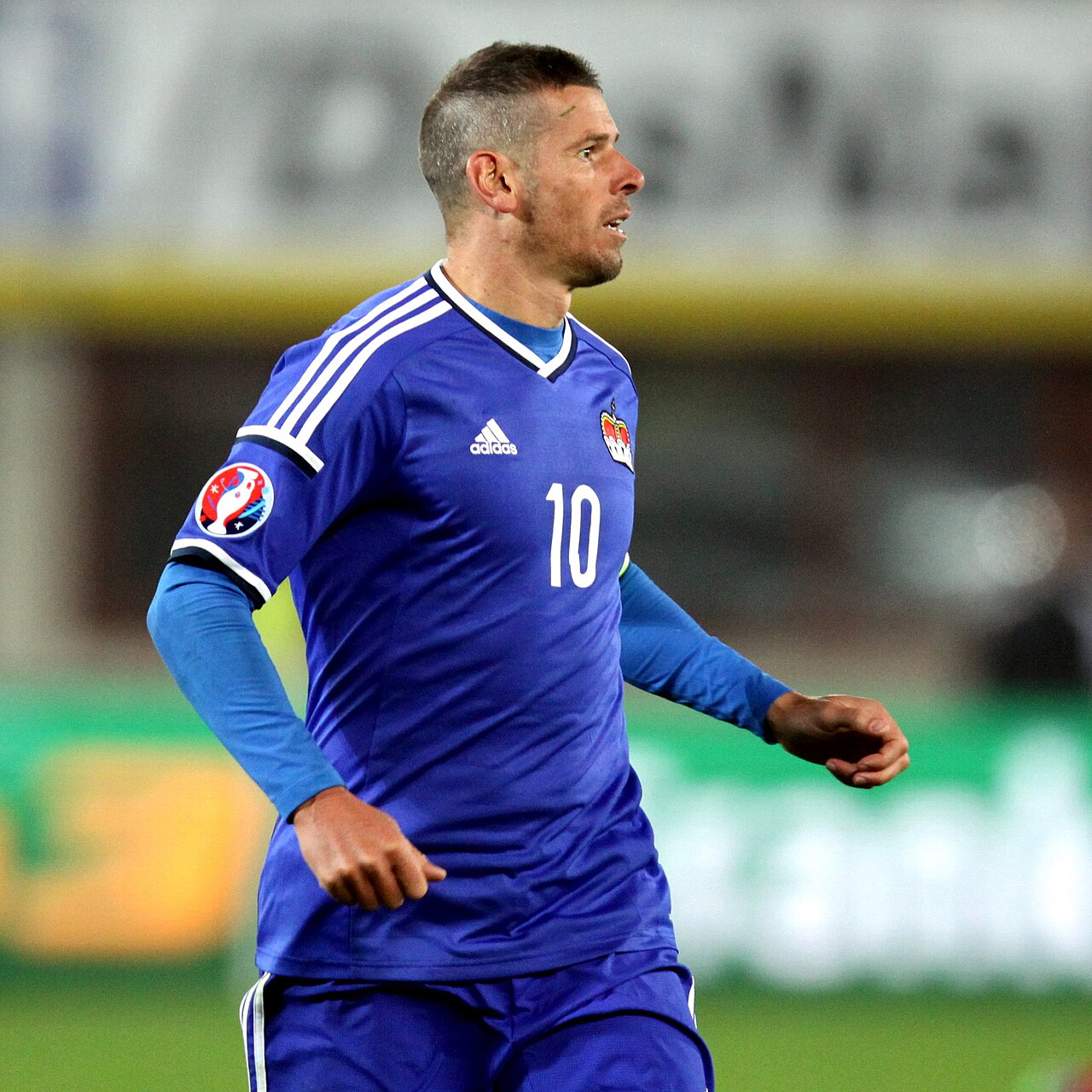
Overview of Youth International Football
Youth is defined as the time between childhood and adulthood, but it can also refer to one's peak in terms of health or the period of life known as being a young adult [1]. In football, this developmental stage manifests through age‑specific international competitions that showcase the next generation of talent. The 2026 FIFA U‑17 World Cup represents the pinnacle of youth international football, bringing together under‑17 national teams from across the globe.
Tournament Structure and Format
The 2026 FIFA U‑17 World Cup is the 21st edition of the tournament, contested annually by the under‑17 national teams of FIFA member associations [2]. This edition introduces an expanded format with 48 teams competing across six confederations, a significant increase from previous tournaments. The 56 matches will be played from 19 November to 13 December in Qatar, producing 212 goals at an average of 3.79 per match [2].
Key Statistics and Records
Rafa Cruz has emerged as the top scorer of the 2026 FIFA U‑17 World Cup with 5 goals [2]. The tournament's offensive output — 212 goals from 56 matches — reflects both the expanded participant pool and the attacking intent of young sides. This goal‑per‑match ratio surpasses many previous U‑17 editions and signals a high‑tempo competition.
Qatar as Host Nation
Infrastructure and Venue Selection
Qatar's selection as host for the 2026 FIFA U‑17 World Cup underscores the country's growing role in international football development. The tournament runs across a compressed 25‑day window, requiring efficient venue management and logistics. While specific stadium assignments are not detailed in the sources, the Qatari football infrastructure has been designed to accommodate youth competitions at this scale.
Regional Impact and Development
Hosting the U‑17 World Cup provides Qatar with an platform to showcase its football facilities while contributing to the growth of youth football in the Middle East. The tournament's participation of teams from all six confederations creates a truly global showcase, potentially inspiring increased investment in youth programmes across the region.
Compressed Schedule Implications
The tournament's duration from 19 November to 13 December 2026 represents a tight schedule for 48 teams playing 56 matches. This format demands careful player management and recovery protocols, particularly given the young age of the participants. The condensed timeline also intensifies the competition, as teams have less recovery time between matches.
Participating Confederations and Teams
Six Confederation Representation
The 48 teams competing in the 2026 FIFA U‑17 World Cup are drawn from six football confederations worldwide [2]. This broad representation ensures that youth talent from every continent is showcased, from established football powerhouses to emerging nations. The expanded team count from previous editions reflects FIFA's commitment to global youth development.
Qualification Pathways
Teams qualified through their respective continental championships and qualifying tournaments, with each confederation allocated slots proportional to their footballing strength and development programmes. The qualification process itself serves as a high‑level youth competition, with only the best under‑17 players earning the right to represent their continent at the World Cup.
Competitive Balance Considerations
The expansion to 48 teams necessarily alters the competitive dynamics of the tournament. While traditional powerhouses maintain their presence, the additional slots provide opportunities for nations with developing youth systems to test themselves against established opponents. This balance between maintaining quality and expanding participation is a key theme of this edition.
Tournament Performance and Top Performers
Goal‑Scoring Leaders
Rafa Cruz's tally of 5 goals makes him the top scorer of the 2026 FIFA U‑17 World Cup [2]. His performance exemplifies the attacking talent on display throughout the tournament. The 3.79 goals per match average indicates that multiple players are contributing to the scoring, not just a single standout individual.
Offensive Distribution Analysis
With 212 goals scored across 56 matches, the tournament shows a relatively even distribution of goal‑scoring responsibility. This contrasts with some youth tournaments where a few star players dominate the scoring. The depth of attacking talent suggests well‑rounded team performances rather than reliance on individual brilliance alone.
Comparison with Previous Editions
The 21st edition's statistics provide a benchmark for measuring the evolution of youth international football. The increased team count, higher goal tally, and improved goal‑per‑match ratio compared to earlier U‑17 World Cups reflect both structural changes and potential improvements in player development across FIFA's member associations.
Individual Player Profiles: Matthew Arana
Early Career and Club Pathway
Matthew Arana, born 28 August 2010, represents Mexico at the youth international level [3]. His football journey began at the RISE Soccer Club youth academy before he joined the youth academy of Houston Dynamo [3]. This pathway from a local club to a professional youth academy illustrates the typical development route for promising Mexican youngsters.
Debut and Early Impressions
Arana made his debut for the Mexico national under‑16 football team on 31 March 2026 during a 0–1 away friendly loss to the Portugal national under‑16 football team [3]. This debut came just months before the U‑17 World Cup, marking his entry into official international competition. The friendly against Portugal, a traditional youth football stronghold, provided an early test of his abilities against quality opposition.
Playing Style and Assessment
Described by Argentine newspaper Olé in 2026 as a creative and technical midfielder [3], Arana's playing style reflects the technical emphasis common in Mexican youth development. His role as a midfielder positions him as a link between defence and attack, capable of controlling tempo and creating scoring opportunities. This technical profile aligns with the broader tactical trends observed in the 2026 U‑17 World Cup's higher scoring rate.
Tactical Trends in the 2026 Tournament
Attacking Intent and High Scoring
The 3.79 goals per match average at the 2026 FIFA U‑17 World Cup suggests an attacking philosophy embraced by youth teams [2]. This scoring rate is notably high for an under‑17 competition and may reflect evolving tactical approaches that prioritise forward play and goal‑scoring opportunities. Coaches may be encouraging more risk‑taking and expressive football from young players.
Technical Development and Creativity
Matthew Arana's description as a creative and technical midfielder [3] exemplifies the technical skills being prioritized in modern youth development. The combination of Arana's playing style with the tournament's overall goal‑scoring output suggests a focus on technical proficiency alongside tactical awareness. This emphasis on creativity may be contributing to the open, attacking nature of the competition.
International Exposure Benefits
The expanded 48‑team format provides unprecedented international exposure for young players from diverse footballing backgrounds. This exposure to different playing styles, tactical approaches, and competitive levels accelerates player development and helps identify talent that might otherwise go unnoticed in smaller competitions. The tournament serves as a global scouting platform for clubs and national teams.
Comparative Context with Youth Football Worldwide
International Youth Tournament Landscape
The 2026 FIFA U‑17 World Cup sits within a broader ecosystem of international youth football tournaments. Alongside the U‑17 World Cup, other competitions such as the U‑20 World Cup and various continental youth championships provide a progression pathway for young players. Each tournament level increases in intensity and stakes, allowing for gradual development from under‑15 through under‑20 ages.
Development Pathways and Academy Systems
The club‑based development paths exemplified by players like Matthew Arana — moving from RISE Soccer Club to Houston Dynamo's youth academy — reflect the importance of structured academy systems in youth development [3]. These pathways provide competitive environments that bridge grassroots football and senior professional ranks. The success of such pathways is increasingly measured by player progression to senior international and club competition.
Regional Development Variations
The participation of teams from all six confederations highlights the varying states of youth football development across different regions. Traditional football powerhouses typically have well‑established youth systems, while emerging football nations may be using tournaments like the U‑17 World Cup to accelerate their development programmes. This disparity reflects broader inequalities in football infrastructure and resources globally.
Significance for Future Football
Talent Identification and Scouting
The 2026 FIFA U‑17 World Cup serves as a significant talent identification platform for professional clubs and national team scouts. The tournament's expanded format and global television coverage mean that standout performers receive increased attention. Players like Rafa Cruz, as top scorer, and Matthew Arana, as a notable Mexico international, have already enhanced their profiles through their performances.
Long‑Term Player Development Implications
The tournament's structure and performance data will inform future youth development policies across FIFA's member associations. The statistical output, including the 3.79 goals per match average and the distribution of scoring, provides data points for coaches and administrators evaluating what works in youth international football. This evidence‑based approach may lead to refinements in training methodologies and competition formats.
Global Football Community Impact
Beyond individual player development, the 2026 U‑17 World Cup strengthens the global football community by bringing together young people from diverse backgrounds through sport. The tournament promotes cultural exchange, mutual respect among competing nations, and the shared values of football. For the young participants, the experience of competing on an international stage at such a formative age can shape their future relationship with the sport.
Historical Perspective and Tournament Evolution
U‑17 World Cup History
The FIFA U‑17 World Cup has been conducted annually since its inception, with the 2026 edition representing the 21st iteration of the tournament [2]. This long history provides a rich dataset for analyzing the evolution of youth football, rule changes, and shifting competitive dynamics. Each edition reflects the footballing priorities and development philosophies of its era.
Format Changes Through the Years
The expansion to 48 teams for the 2026 edition represents a significant format change from previous U‑17 World Cups. Such expansions typically respond to growing participation numbers and FIFA's strategic goals for global development. The tournament's evolution from smaller formats to the current 48‑team structure mirrors the global growth of football participation at all levels.
Legacy and Future Editions
Each U‑17 World Cup leaves a legacy of memorable performances, breakthrough players, and tactical innovations that influence future tournaments. The 2026 edition's statistics and storylines will become part of the competition's history, referenced in future editions. The success or challenges of this 21st edition may shape the format and philosophy of the 22nd U‑17 World Cup and beyond.
Gender Considerations in Youth Football
Boys' and Girls' Youth Competitions
The FIFA U‑17 World Cup discussed in this article focuses on the men's youth competition, but it is part of a broader landscape that includes women's youth tournaments. FIFA conducts separate U‑17 World Cups for men and women, each serving as the premier international competition for under‑17 players in their respective categories. The parallel development of both competitions reflects football's growing investment in gender equity at youth levels.
Comparative Analysis of Men's and Women's Youth Football
While the 2026 FIFA U‑17 World Cup men's tournament features 48 teams and produces 212 goals across 56 matches, the women's equivalent operates under different structural parameters. Comparative analysis of participation numbers, goal‑scoring rates, and developmental pathways between the men's and women's U‑17 competitions provides insight into the relative growth and investment in each category. Such comparisons help track progress toward gender equity in football development.
Integration and Shared Lessons
Despite operating separately, the men's and women's youth World Cups share common goals of player development, global participation, and competition quality. Lessons learned from one category's format, refereeing standards, or player development approaches often inform the other. The 2026 men's tournament's expanded format and statistical profile may provide useful data points as the women's game continues to grow its own youth competition structures.